Beste Casino-Boni im September 2026 finden – Tipps & Vergleich

Casino-Boni im September 2026: So findest du Angebote mit echtem Mehrwert

Der September ist für viele Online-Spieler ein interessanter Monat, weil zahlreiche Casinos ihre Aktionen nach der Sommerzeit anpassen. Neue Freispiele, Einzahlungsboni oder zeitlich begrenzte Promotionen erscheinen regelmäßig, doch nicht jedes Angebot ist automatisch attraktiv. Entscheidend ist nicht nur die Höhe eines Bonus, sondern vor allem, welche Bedingungen dahinterstehen.

Wer die besten Casino-Boni im September 2026 finden möchte, sollte deshalb mehrere Faktoren vergleichen: Umsatzbedingungen, Spielauswahl, maximale Gewinne und die Seriosität des Anbieters. Ein scheinbar großer Bonus kann weniger wert sein als ein kleineres Angebot mit faireren Regeln.

Welche Kriterien entscheiden bei Casino-Boni im September 2026?

Ein guter Bonus lässt sich nicht allein an einer hohen Prozentzahl erkennen. Viele Anbieter werben mit großen Summen, während wichtige Details erst in den Bonusbedingungen sichtbar werden. Spieler sollten sich deshalb vor der Anmeldung etwas Zeit nehmen und die wichtigsten Punkte prüfen.

Eine Übersicht mit aktuellen Angeboten und verschiedenen Bonusarten kann dabei helfen, die Unterschiede zwischen Aktionen besser einzuschätzen. Informationen  auf dieser seriösen Plattform https://casino-freispiele-ohne-einzahlung.com/ können als Orientierung dienen, wenn man verschiedene Freispiele und Bonusmodelle miteinander vergleichen möchte.

Bonusbetrag und Einzahlung richtig bewerten

Ein typischer Willkommensbonus besteht häufig aus einem zusätzlichen Betrag zur ersten Einzahlung. Ein Bonus von 100 % bedeutet beispielsweise nicht automatisch doppelte Gewinnchancen, sondern beschreibt lediglich die Höhe des zusätzlichen Guthabens.

Wichtig sind vor allem diese Faktoren:

  • Wie hoch ist die Mindesteinzahlung?
  • Wie oft muss der Bonus umgesetzt werden?
  • Gibt es ein maximales Einsatzlimit während der Bonusphase?
  • Welche Spiele zählen für die Umsatzanforderungen?
  • Gibt es eine Begrenzung für mögliche Gewinne?

Gerade bei Casino-Boni im September 2026 lohnt sich ein Blick auf die Details, weil sich ähnliche Angebote deutlich voneinander unterscheiden können.

Freispiele und Bonusgeld vergleichen

Freispiele gehören weiterhin zu den beliebtesten Aktionen. Sie werden oft für bestimmte Spielautomaten vergeben und können eine gute Möglichkeit sein, ein Spiel ohne zusätzliche Kosten kennenzulernen. Allerdings gelten auch hier meistens bestimmte Regeln.
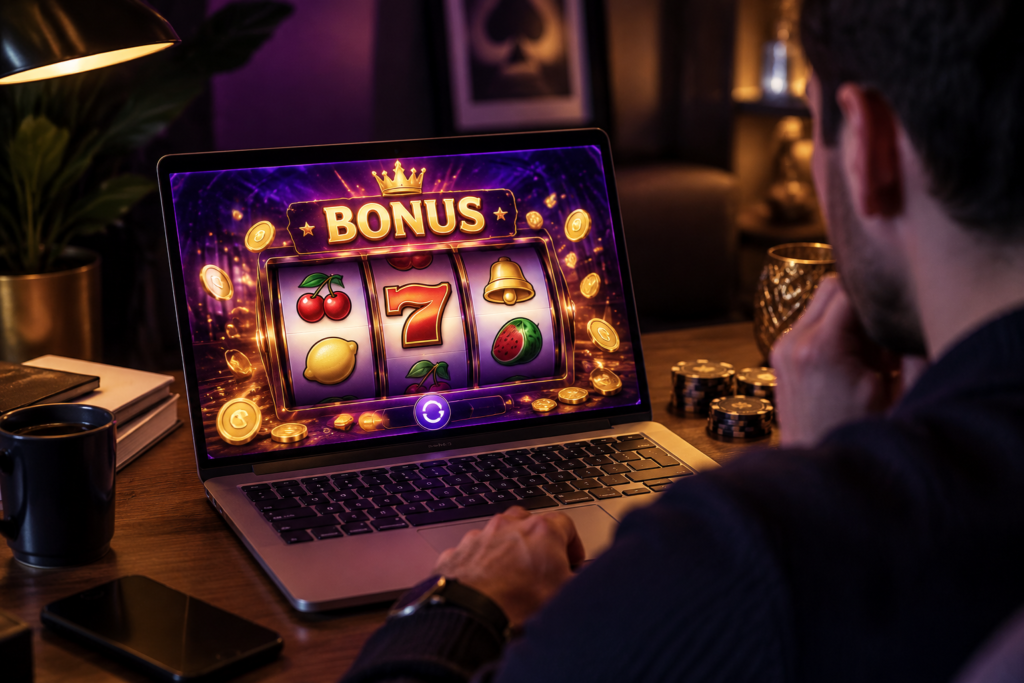
Ein häufiger Fehler besteht darin, nur auf die Anzahl der Freispiele zu achten. 100 Freispiele mit sehr hohen Umsatzbedingungen können weniger interessant sein als 30 Freispiele mit besseren Konditionen. Auch die Auswahl des Slots spielt eine Rolle, da nicht jeder Automat gleich stark zur Erfüllung der Bonusbedingungen beiträgt.

Warum Bonusbedingungen wichtiger sind als die Größe des Angebots

Die Umsatzanforderung, auch als Wagering bezeichnet, zeigt, wie oft Bonusgeld oder Gewinne aus Bonusspielen umgesetzt werden müssen, bevor eine Auszahlung möglich ist. Eine niedrige Anforderung kann einen kleineren Bonus attraktiver machen als eine große Aktion mit komplizierten Regeln.

Zusätzlich sollte man prüfen, ob bestimmte Spiele ausgeschlossen sind. Manche Casinos erlauben nur ausgewählte Spielautomaten für die Bonusfreigabe, während andere Anbieter eine größere Auswahl bieten.

So erkennt man faire Bonusangebote im September 2026

Neben den Bonusdetails spielt auch die Transparenz des Casinos eine wichtige Rolle. Ein seriöser Anbieter stellt Informationen zu Bedingungen, Zahlungen und Spielerschutz klar zur Verfügung.

Aktuelle Aktionen gezielt vergleichen

Im September ändern viele Casinos ihre Promotionen regelmäßig. Deshalb ist es sinnvoll, nicht nur einen Anbieter anzusehen, sondern mehrere Angebote gegenüberzustellen.

Dabei helfen folgende Schritte:

  • Bonusbedingungen vollständig lesen, bevor eine Einzahlung erfolgt.
  • Prüfen, ob die Spiele mit Bonusguthaben den eigenen Interessen entsprechen.
  • Zahlungsoptionen und mögliche Auszahlungszeiten vergleichen.
  • Erfahrungen anderer Spieler und verfügbare Informationen zum Anbieter berücksichtigen.

Ein Bonus sollte immer zum eigenen Spielverhalten passen. Wer beispielsweise hauptsächlich Spielautomaten spielt, benötigt andere Bedingungen als jemand, der Tischspiele bevorzugt.

Sicherheit und verantwortungsvolles Spielen berücksichtigen

Ein attraktiver Bonus bringt wenig, wenn die grundlegenden Informationen zum Anbieter fehlen. Vor einer Registrierung sollten Spieler prüfen, wer hinter dem Casino steht und welche Regeln für Einzahlungen und Auszahlungen gelten.

Auch seriöse Informationsquellen zum Thema Glücksspiel und Spielerschutz können bei der Einschätzung helfen. Eine gute Anlaufstelle für allgemeine Hinweise ist beispielsweise die Bundeszentrale für gesundheitliche Aufklärung – dort finden sich Informationen rund um Prävention und verantwortungsbewusstes Spielen. 

Typische Fehler bei der Bonusauswahl vermeiden

Viele Spieler achten zuerst auf große Zahlen und übersehen wichtige Einschränkungen. Besonders problematisch sind:

  • hohe Umsatzanforderungen ohne klare Erklärung,
  • kurze Fristen für die Bonusnutzung,
  • niedrige maximale Auszahlung aus Bonusgewinnen,
  • versteckte Einschränkungen bei Spielen.

Ein guter Casino-Bonus sollte verständlich aufgebaut sein. Wenn Bedingungen schwer zu finden oder kompliziert formuliert sind, ist Vorsicht angebracht.

Welche Bonusarten können im September interessant sein?

Neben klassischen Willkommensangeboten gibt es weitere Promotionen, die je nach Spielerprofil interessant sein können:

  • Freispiele ohne Einzahlung: Geeignet, um Spiele ohne eigenes Guthaben auszuprobieren.
  • Einzahlungsbonus: Zusätzliche Mittel nach einer eigenen Einzahlung.
  • Cashback-Aktionen: Ein Teil bestimmter Verluste wird zurückerstattet.
  • Treueprogramme: Belohnungen für regelmäßige Nutzung.

Die beste Wahl hängt davon ab, wie oft gespielt wird und welche Spiele bevorzugt werden. Ein gelegentlicher Spieler profitiert häufig von einfachen Aktionen, während aktive Nutzer eher langfristige Programme interessant finden können.

Die Suche nach den besten Casino-Boni im September 2026 sollte deshalb nicht mit dem größten Bonusbetrag beginnen, sondern mit einem Vergleich der Bedingungen. Wer Angebote sorgfältig prüft, erkennt schneller, welche Aktionen wirklich einen Mehrwert bieten und welche nur durch große Zahlen Aufmerksamkeit erzeugen.…

Slot Games and Online Entertainment Rise

The main attraction of slot games is their easy and straightforward nature. These games are designed so that anyone can play without needing special skills or complex strategies. A player simply chooses a wager and spins the reels, making the gameplay simple and enjoyable. This accessibility allows beginners to start playing instantly while also offering relaxed entertainment for experienced players who prefer casual gaming sessions.

Modern slot games have transformed into highly creative digital experiences. Developers focus on designing visually rich environments with detailed graphics, smooth animations, and immersive sound effects. Each game is often built around a unique theme that may include mythology, ancient civilizations, fantasy worlds, space adventures, or treasure hunting journeys. These themes help create engaging storytelling experiences that make each spin more exciting and enjoyable.

The rise of online gaming platforms has significantly increased the popularity of slot games. Players no longer need to visit physical casinos to enjoy their favorite titles. Instead, they slot can access thousands of games instantly through websites and mobile applications. This convenience has made gaming more flexible and widely accessible, allowing users to play anytime and from almost anywhere with an internet connection.

Mobile technology has further boosted the growth of slot games. Smartphones and tablets allow users to enjoy smooth and high-quality gameplay on the go. Developers ensure that mobile versions are optimized for performance while maintaining excellent graphics and functionality. This portability has made slot games a part of everyday entertainment for many users who enjoy playing during travel, breaks, or leisure time.

Another important feature of modern slot games is the variety of special elements they include. Bonus rounds offer additional gameplay opportunities that often come with unique rewards or interactive mini-games. Free spins allow players to continue playing without extra cost, increasing engagement and excitement. Special symbols such as wilds and scatters introduce unexpected outcomes that enhance the thrill of every spin and keep gameplay dynamic.

Progressive jackpots are also a major attraction in many slot games. These jackpots grow over time as more players participate, creating the potential for large and exciting rewards. While outcomes are always based on chance, the increasing jackpot adds anticipation and excitement to every spin, making the experience more thrilling for players around the world.

Fairness is an essential part of the slot gaming industry. Trusted platforms use random number generator technology to ensure that every spin is completely random and independent. This system guarantees fair results and builds trust among players by ensuring that no outcome can be predicted or influenced in any way.

As technology continues to evolve, slot games are expected to become even more advanced and immersive. Developers are constantly introducing new features, improved graphics, and interactive gameplay elements to enhance user experience. These innovations ensure that slot games remain popular and relevant in the future.

In conclusion, slot games have become a leading form of digital entertainment due to their simplicity, creativity, and accessibility. Their continuous development ensures they will remain a favorite choice for players worldwide for many years to come.

…

Gaming Online dan Dampaknya Terhadap Kehidupan Sosial

Permainan online telah menjadi salah satu bentuk hiburan yang paling digemari di Indonesia. Seiring dengan berkembangnya teknologi, akses terhadap permainan online kini semakin mudah dengan hadirnya perangkat seperti komputer, konsol, hingga ponsel pintar. Dahulu, permainan hanya dapat dinikmati oleh sebagian orang yang slot gacor memiliki akses ke perangkat khusus, namun kini hampir semua orang dapat menikmati game favorit mereka kapan saja dan di mana saja. Game seperti Mobile Legends, PUBG Mobile, dan Free Fire adalah contoh beberapa permainan yang sangat populer di kalangan masyarakat Indonesia, baik di kalangan anak muda maupun orang dewasa.

Salah satu alasan mengapa permainan online semakin diminati adalah kemudahan akses dan kualitas grafis yang semakin baik. Pemain hanya membutuhkan perangkat mobile dengan koneksi internet untuk dapat bermain. Hal ini membuat permainan online semakin menarik, karena dapat dimainkan secara fleksibel. Dengan grafis yang terus berkembang, pengalaman bermain game menjadi lebih imersif dan menyenangkan. Selain itu, hampir semua game saat ini menyediakan mode multiplayer yang memungkinkan pemain untuk berinteraksi dengan orang lain, baik itu dalam bentuk kolaborasi atau kompetisi.

Selain memberikan hiburan, permainan online juga telah menjadi wadah bagi komunitas untuk bertumbuh. Dalam banyak permainan online, pemain dapat bertemu dengan orang baru dari berbagai belahan dunia. Mereka dapat bekerja sama dalam tim atau berkompetisi untuk meraih kemenangan. Komunikasi antara pemain juga menjadi hal yang penting dalam permainan online. Fitur obrolan suara dan teks dalam game memudahkan pemain untuk berinteraksi secara langsung, menciptakan rasa kebersamaan yang kuat dalam dunia maya. Hal ini menjadikan permainan online lebih dari sekadar hiburan, tetapi juga tempat untuk membangun hubungan sosial yang baru.

Tidak hanya itu, dunia permainan online juga telah berkembang menjadi industri besar yang dikenal dengan eSports. E-sports kini menjadi salah satu ajang kompetisi yang paling diminati, dengan turnamen besar yang menawarkan hadiah uang yang sangat menggiurkan. Banyak pemain profesional yang berkarier di dunia eSports, berkompetisi di turnamen besar dan mendapatkan penghasilan dari keahlian mereka. Selain itu, platform seperti YouTube dan Twitch memberikan peluang bagi para gamer untuk melakukan siaran langsung dan menghasilkan uang dari penggemar mereka.

Dengan hadirnya teknologi baru seperti augmented reality (AR) dan virtual reality (VR), permainan online semakin berkembang dan memberikan pengalaman yang lebih nyata dan imersif. Permainan online kini tidak hanya sekadar hiburan, tetapi juga telah menjadi bagian penting dari gaya hidup digital masyarakat Indonesia. Dunia permainan online terus bertransformasi, dan seiring berjalannya waktu, kita akan semakin banyak menyaksikan inovasi baru yang semakin memperkaya pengalaman bermain.…

Online Gaming: A Cultural Shift in Modern Entertainment

In the digital era, online gaming has transcended its humble origins, evolving into a cultural phenomenon that has left an indelible mark on the landscape of modern entertainment. The dynamic interplay of accessibility, social connectivity, and technological advancements has propelled online gaming into a global pastime, shaping the way people play and interact in the virtual realm.

At the core of online gaming’s widespread appeal onicplay is its unmatched accessibility. Unlike traditional gaming that often required specialized hardware, online games are accessible across a broad spectrum of devices, ranging from high-end gaming consoles and PCs to everyday smartphones. This inclusivity has democratized gaming, making it a universal experience that spans age groups, socio-economic backgrounds, and geographical locations.

The competitive facet of online gaming has given rise to esports, a burgeoning industry that has propelled skilled players into the spotlight. Esports tournaments, with their high-stakes competitions and passionate fan bases, have turned professional gamers into celebrities. Games like Fortnite, Overwatch, and League of Legends have become arenas for intense competition, drawing massive online viewership and even filling stadiums for live events.

Technological advancements have been instrumental in shaping the immersive experiences offered by online gaming. High-speed internet, advanced graphics, and innovations like virtual reality have elevated the quality of gameplay, transporting players into visually stunning and engaging virtual worlds. Virtual reality headsets provide an unparalleled sense of presence, while augmented reality seamlessly blends digital elements with the real world, expanding the possibilities of interactive entertainment.

Despite its undeniable success, online gaming has faced scrutiny and concerns regarding its potential downsides. Issues such as gaming addiction, the impact of violent content, and online harassment have prompted discussions within the gaming community and among policymakers. Efforts to promote responsible gaming practices, mental health awareness, and the creation of inclusive gaming environments are underway to address these concerns.

In conclusion, online gaming has become a cultural force, shaping how individuals across the globe engage with entertainment. Its accessibility, social connectivity, competitive scene, and technological innovations continue to drive its popularity. As online gaming evolves, it brings both opportunities and challenges, prompting a broader conversation about the responsible and positive integration of this dynamic form of entertainment into our lives.

…

Games That Push Political or Social Commentary

Gaming has transcended its origins as mere entertainment to become a cultural phenomenon with significant impacts on society, technology, and various aspects of human life. From its humble beginnings with classic arcade games to the immersive experiences of modern video games, the evolution of gaming reflects a dynamic fusion of technology, creativity, and human interaction.

One of the most profound impacts of gaming lies idn slot in its ability to bring people together and foster social connections. Online multiplayer games, such as Fortnite, Minecraft, and Among Us, serve as virtual meeting grounds where players from around the world can collaborate, compete, and form communities. These games provide a platform for social interaction, teamwork, and communication, breaking down geographical barriers and connecting individuals with shared interests and passions.

Furthermore, gaming has emerged as a powerful tool for storytelling and narrative exploration. Video games like The Last of Us, Red Dead Redemption 2, and The Legend of Zelda series offer immersive narratives, complex characters, and emotional depth that rival those of traditional storytelling mediums like literature and film. Through interactive storytelling, players become active participants in the narrative, making choices that shape the outcome of the story and creating deeply personal experiences.

Moreover, gaming has become an engine of technological innovation, driving advancements in graphics, artificial intelligence, and virtual reality. From the early days of 8-bit graphics to the photorealistic visuals of modern games, the evolution of gaming technology has revolutionized the way we experience virtual worlds. The introduction of virtual reality (VR) and augmented reality (AR) technologies has further expanded the possibilities of gaming, offering immersive and interactive experiences that blur the line between the virtual and the real.

In addition to entertainment and technological innovation, gaming has also emerged as a platform for education and learning. Educational games and simulations offer interactive and engaging experiences that facilitate skill development, critical thinking, and problem-solving. Games like Math Blaster, Oregon Trail, and Kerbal Space Program have been embraced by educators as effective teaching tools that make learning fun and accessible for students of all ages.

Despite its many positive impacts, gaming also faces criticism and controversy, particularly regarding issues such as addiction, violence, and representation. The World Health Organization’s recognition of gaming disorder as a mental health condition and ongoing debates about the portrayal of violence in video games highlight the need for responsible gaming practices and greater diversity and inclusion within the industry.

In conclusion, gaming has evolved into a multifaceted and influential medium that impacts various aspects of society, from entertainment and socialization to technology and education. As technology continues to advance and the gaming landscape evolves, it is essential to recognize and harness the transformative power of gaming to positively impact individuals and society as a whole. With responsible practices and a commitment to diversity and inclusion, gaming has the potential to continue shaping the way we play, learn, and connect with others for years to come.…

The Role of Beta Testing in Game Development

In recent years, indie games have become a cornerstone of the gaming industry, challenging the dominance of big-budget titles from large studios. Indie games, developed by small teams or even solo developers, have gained significant popularity, showcasing a level of creativity, innovation, and storytelling that often goes beyond what mainstream games can achieve. With platforms like Steam, itch.io, and consoles offering indie game support, the landscape of gaming has become more diverse than ever before.

The Origins of Indie Games

Indie games have been around for a while, but the true rise of the indie movement can be traced back to the mid-2000s, with games like Braid and Super Meat Boy. These titles, created by small development teams, captured the attention of players and critics alike due to their innovative mechanics, artistic direction, and engaging gameplay. Unlike traditional games backed by large publishers, indie games were often seen as more experimental, allowing developers the freedom to explore unconventional ideas without the pressure of large-scale production.

Braid, developed by Jonathan Blow, was one of the first indie games to gain widespread recognition. Its puzzle mechanics, which revolved around time manipulation, combined with an emotional narrative, captivated players. Super Meat Boy, created by Edmund McMillen and Tommy Refenes, was another early success, offering tight platforming mechanics, humor, and challenging gameplay. These titles demonstrated that smaller studios could compete with, and even outshine, big-budget games in terms of innovation and originality.

Why Indie Games Are Gaining Popularity

The rise of digital distribution platforms like Steam, Epic Games Store, and the PlayStation Store has made it easier for indie developers to publish their games directly to consumers, bypassing the traditional publishing model. These platforms offer tools and resources that allow small developers to reach a global audience without needing a big publisher backing their project. As a result, indie games have flourished, and players have been introduced to a variety of unique experiences that might not have been possible under the constraints of mainstream game development.

Another reason indie games are becoming so popular is their ability to take risks that larger studios may avoid. Without the need to appeal to a broad market or satisfy shareholders, indie developers have the freedom to create niche, innovative, and often more personal gaming experiences. Indie games like Hollow Knight, Celeste, and Undertale have all explored new genres, tackled important themes, and offered unique gameplay that distinguishes them from the mainstream offerings.

Indie Games as a Platform for Storytelling

One of the most remarkable aspects of indie games is their focus on storytelling. While mainstream games often prioritize graphics, spectacle, and action, indie games frequently focus on narrative depth and emotional engagement. Titles like Gris, Journey, and Oxenfree have shown that video games can be an incredible medium for storytelling, with their unique art styles, soundtracks, and atmosphere creating deeply immersive experiences.

In addition to emotional storytelling, many indie games are known for tackling social issues and exploring diverse themes. Celeste, for example, addresses mental health through its platforming mechanics, while Night in the Woods explores themes of depression, existentialism, and the struggles of small-town life. These games provide players with meaningful narratives that resonate on a personal level, making them more impactful than many mainstream titles.

The Future of Indie Games

Looking ahead, the future of indie games looks bright. yoda4d link alternatif As technology continues to advance, small studios will have access to even more powerful tools and engines, such as Unity and Unreal Engine, which will allow them to create even more polished and ambitious games. The rise of crowdfunding platforms like Kickstarter also provides developers with the resources to fund their projects and bring their ideas to life without relying on traditional publishers.

Additionally, indie games continue to thrive in the mobile gaming space, with games like Monument Valley, Stardew Valley, and Dead Cells finding success on smartphones and tablets. The accessibility of mobile platforms allows indie developers to reach a wider and more diverse audience, further expanding the scope of the indie gaming market.

Conclusion

The rise of indie games has reshaped the gaming industry, proving that creativity and innovation can thrive outside the realm of large studios and big-budget productions. With their unique gameplay, emotional storytelling, and risk-taking designs, indie games have captured the hearts of players and pushed the boundaries of what games can achieve. As technology evolves and platforms continue to support indie development, it’s clear that small studios will continue to play a significant role in shaping the future of gaming.…

The Best Games for Building Creativity and Imagination

Artificial Intelligence (AI) has become a pivotal force in the evolution of video games, revolutionizing everything from enemy behavior to procedural content generation. While AI has been a part of games for decades, its role has expanded dramatically, pushing the boundaries of what games can achieve. The increasing sophistication of AI is reshaping the way players interact with virtual worlds, creating more dynamic and immersive experiences.

AI in NPC Behavior

One of the most visible ways AI impacts gaming is through the behavior of non-playable characters (NPCs). In earlier video games, NPCs often followed predictable patterns or were limited to simple actions, making them feel robotic and unresponsive. However, as AI technology has advanced, NPCs have become more intelligent and responsive, adding complexity to gameplay.

For example, in games like The Last of Us Part II and Red Dead Redemption 2, NPCs are capable of reacting to the player’s actions in realistic ways. Enemies in these games can learn from the player’s tactics, adapt their strategies, and coordinate with other enemies to create a more challenging experience. This makes encounters feel more natural and less scripted, as players are forced to think on their feet to outsmart increasingly intelligent adversaries.

Procedural Content Generation

AI has also played a significant role in procedural content generation (PCG), a technique used to create vast, dynamic game worlds that would be too time-consuming or resource-intensive to build by hand. Games like No Man’s Sky and Minecraft utilize PCG to generate expansive, procedurally created environments that are unique for every player.

In No Man’s Sky, for instance, AI algorithms bbq4d login generate entire planets, ecosystems, and weather systems based on predefined rules and random variables. This means that each planet is unique, offering players a sense of exploration and discovery that’s constantly evolving. Similarly, Minecraft uses procedural generation to create massive worlds, allowing players to explore endless terrains without running out of content.

AI in Storytelling and Narrative

Beyond gameplay mechanics, AI is also making its mark in narrative design. Many modern games are integrating AI systems that allow the story to adapt based on the player’s choices, creating a more personalized and dynamic narrative. Games like Detroit: Become Human and Mass Effect feature branching storylines where player decisions affect how the plot unfolds and how characters react to the player.

AI-driven narratives can lead to multiple story outcomes, making the game replayable and encouraging players to experiment with different choices. This creates a more immersive experience, where the world feels alive and reactive, rather than simply following a linear path.

AI in Game Testing and Development

AI is not only changing the way players experience games, but it’s also transforming how games are developed. AI is increasingly being used in game testing to identify bugs, optimize gameplay balance, and improve the overall player experience. Developers can use AI-driven tools to automate tedious testing processes, allowing them to focus on more creative and complex aspects of game design.

Additionally, AI-powered tools are being used to help developers create more realistic animations, such as facial expressions and body movements. This has led to more lifelike characters and more fluid gameplay experiences, where players feel a stronger connection to the game world.

The Future of AI in Gaming

As AI continues to evolve, its role in gaming will only grow. We can expect AI to become even more integrated into gameplay, allowing for more personalized experiences and smarter NPC interactions. In the future, AI may even be used to create entirely dynamic storylines that respond to the player’s every action, making each playthrough unique and highly immersive.

AI may also play a crucial role in virtual and augmented reality (VR/AR) games. With the increasing demand for more interactive and realistic VR experiences, AI could help create environments that adapt to the player’s movements and decisions in real-time, further blurring the lines between the virtual and real worlds.…

The History and Legacy of The Legend of Zelda

Online gaming has undergone a monumental evolution, transcending traditional boundaries to become a global phenomenon that captivates diverse audiences worldwide. Fueled by technological advancements and the omnipresence of high-speed internet, online gaming has transformed from a niche hobby into an immersive and dynamic cultural force.

Central to the appeal of online gaming is its ability to comototo slot create a global community. Multiplayer functionality has turned gaming into a shared experience, allowing individuals to connect, compete, and collaborate across continents. Esports, the competitive facet of online gaming, has emerged as a major industry, drawing colossal audiences and turning skilled players into international icons.

The expansive diversity of gaming genres plays a crucial role in the universal attraction of online gaming. Whether players seek high-octane action in first-person shooters, strategic depth in role-playing games, or cooperative adventures in expansive open-world environments, the virtual landscape accommodates an extensive array of tastes. This inclusivity not only attracts players of varying ages but also fosters a sense of unity within the broad gaming community.

The advent of cloud gaming has marked a groundbreaking shift, democratizing access to premium gaming experiences. By eliminating the need for sophisticated hardware, cloud gaming platforms have made interactive entertainment accessible to a more diverse audience. This inclusivity has challenged stereotypes associated with gaming, expanding the demographic of gamers and making the virtual realm more welcoming to newcomers.

Despite its global popularity, online gaming has faced scrutiny for potential challenges, including concerns about addiction and mental health impacts. In response, the gaming industry has proactively adopted responsible gaming initiatives. Developers are incorporating features like in-game timers and wellness resources to promote a balanced and mindful gaming experience.

The business model of online gaming has also undergone a transformative shift, with the rise of free-to-play games supported by in-game purchases and advertisements. This model not only removes financial barriers for players but also ensures developers have sustainable revenue streams. It challenges the traditional notion that quality gaming experiences must come with a significant upfront cost.

Looking towards the future, online gaming holds the promise of continual innovation. Emerging technologies like virtual reality and augmented reality are poised to redefine the gaming experience, offering unprecedented levels of immersion. Artificial intelligence integration is expected to enhance game dynamics, creating more responsive and personalized virtual environments. In conclusion, online gaming stands as a testament to the power of technology in reshaping global entertainment. Its ability to unite, entertain, and adapt to evolving digital landscapes underscores its significance. As online gaming advances further, it remains at the forefront of the digital revolution, ushering in an era where immersive and inclusive entertainment takes center stage…

The Integration of Social Media in Gaming Experiences

Online gaming has rapidly transformed the way people spend their free time, offering entertainment, social interaction, and even professional opportunities. Unlike traditional games, online gaming allows players to connect with others from all over the world, creating communities that transcend geographic boundaries. Through multiplayer games, people can cooperate, compete, and communicate with friends and strangers alike, forming bonds that often extend beyond the digital world. The ability to join virtual worlds at any time has made gaming an integral part of many people’s daily lives.

The accessibility of online games has played a prada4d link alternatif major role in their popularity. With the widespread use of smartphones, tablets, and high-speed internet, gaming is no longer limited to expensive consoles or computers. Many games are available for free, with optional purchases for enhancements, making it easier for anyone to participate. This accessibility has encouraged players of all ages and backgrounds to explore online gaming. It also allows casual gamers to enjoy experiences without long-term commitment while giving competitive players the tools to improve and participate in large-scale tournaments.

Online gaming has also become a cultural phenomenon. Streaming platforms allow gamers to broadcast their gameplay to millions of viewers, creating entertainment and social connection simultaneously. Esports tournaments have gained enormous popularity, turning professional gaming into a viable career. Major companies sponsor events and players, highlighting the economic potential of the industry. Beyond competition, online games often feature complex stories, immersive environments, and creative challenges, allowing players to develop problem-solving skills and strategic thinking while having fun.

Despite its advantages, online gaming comes with challenges. Some players may spend excessive hours in front of screens, which can affect health and personal relationships. Toxic behavior and harassment in online communities remain a concern, making it necessary for developers and players to create safer and more inclusive spaces. Additionally, the competitive nature of certain games can create stress, especially for younger players striving for rankings or recognition. Developers have responded by promoting healthy gaming habits, parental controls, and community guidelines to encourage a positive experience for all participants.

Online gaming is more than a hobby; it is a powerful force shaping modern entertainment and social interaction. It connects people from different cultures, encourages collaboration, and offers creative and competitive opportunities. As technology continues to advance, online gaming is likely to become even more immersive and influential, affecting both entertainment and professional landscapes. Its growing impact demonstrates that gaming is no longer just a pastime but a significant part of modern digital culture. Online gaming continues to evolve, offering new experiences and connections that were once unimaginable, solidifying its place as a central element of contemporary life.…

Exploring Gender Representation in Video Games

Esports, or competitive video gaming, has undergone a remarkable transformation in the last two decades. What began as small LAN (local area network) tournaments and casual competitions has blossomed into a multi-billion-dollar industry, attracting millions of fans, professional players, and sponsors. Today, esports represents one of the fastest-growing sectors in the global entertainment market, with professional leagues, high-stakes tournaments, and massive prize pools drawing attention from mainstream media. But how did esports evolve into the global phenomenon it is today?

The Early Days: From LAN Parties to Competitive Tournaments

In the late 1990s and early 2000s, video gaming was still largely considered a hobby for enthusiasts. Competitive gaming existed in small pockets, typically in the form of LAN parties, where friends gathered to play multiplayer games like Quake, StarCraft, and Counter-Strike. These games, which featured fast-paced action and tactical gameplay, naturally lent themselves to competition. LAN events were often local affairs with limited attendance, but they laid the foundation for the community-driven spirit that would define esports.

The first major step toward professional esports came in 1997 with the creation of the Red Annihilation tournament for Quake. The event offered a grand prize of a Ferrari, an unheard-of reward in the world of gaming at the time. It garnered significant media attention, showcasing the potential of competitive gaming as a spectator sport. This tournament set the stage for larger and more organized competitions, laying the groundwork for future esports leagues and tournaments.

The Rise of Professional Esports Leagues

As broadband internet became more widespread, online gaming exploded in popularity. Games like Warcraft III, StarCraft II, and League of Legends brought competitive gaming into the mainstream. In the early 2010s, major esports leagues began to take shape, offering professional players the opportunity to compete for substantial prize money and establish careers in gaming.

One of the key milestones in the evolution of esports was the formation of the League of Legends (LoL) Championship Series in 2013. Riot Games, the developer of LoL, introduced a regular competitive season with professional teams, creating a model that other yoda4d login developers would later emulate. The League of Legends World Championship, held annually, has since become one of the most-watched esports events in the world, drawing millions of viewers and offering prize pools of several million dollars.

Simultaneously, other games like Dota 2 (developed by Valve) introduced even larger prize pools, with the The International tournament offering over $40 million in 2021. These high-stakes tournaments attracted international audiences, including corporate sponsors like Coca-Cola, Intel, and Red Bull, cementing esports as a legitimate, lucrative industry.

Esports as a Global Entertainment Industry

By the mid-2010s, esports had reached a critical mass, becoming a major part of the global entertainment landscape. Streaming platforms like Twitch and YouTube Gaming played a crucial role in this expansion, allowing fans to watch live competitions, follow their favorite players, and engage with communities. This digital accessibility made esports more inclusive, enabling fans from all over the world to tune into major events.

Esports’ popularity also attracted the attention of traditional sports organizations and media companies. In 2018, the Overwatch League launched as one of the first professional esports leagues to emulate the structure of traditional sports leagues, with franchised teams and city-based rivalries. The Overwatch League helped bring esports closer to the mainstream sports model, with live events broadcast on networks like ESPN and ABC.

In addition, esports has seen significant growth in terms of audience size. According to Newzoo, the global esports audience is expected to surpass 500 million by 2023. This surge is driven by younger audiences, who are more likely to engage with video content online rather than through traditional television broadcasts.

The Future of Esports: Mainstream Recognition and Beyond

As esports continues to grow, its future looks promising. Major cities around the world are hosting large-scale esports events, and some universities have even begun offering scholarships for professional gaming. The industry is also increasingly being recognized by major sports bodies. In 2020, esports was included as a demonstration event at the Asian Games, with the potential for it to become a medal event in future Olympic Games.…

Online Gaming Tips for Improving Reflexes and Focus

Online gaming has become a popular form of entertainment in today’s digital world. With the growth of high-speed internet, smartphones, and gaming consoles, millions of people spend hours every day playing games online. From simple mobile apps to advanced multiplayer platforms, online gaming provides enjoyment, mental stimulation, and opportunities for social interaction.

One of the most significant benefits of online gaming is its social aspect. Multiplayer games allow players to connect with people from different aye4d slot countries and backgrounds. Many games require teamwork and strategy, which helps players develop communication, leadership, and problem-solving skills. Online communities, forums, and in-game chat systems provide spaces for players to discuss strategies, share achievements, and build friendships. For socially shy or isolated individuals, online gaming offers a safe environment to interact with others and feel part of a community.

Online gaming also contributes to mental and cognitive development. Strategy games encourage players to think critically, plan carefully, and make quick decisions. Puzzle and logic games improve concentration, memory, and reasoning skills. Role-playing games (RPGs) promote creativity and imagination as players design characters, explore virtual worlds, and create storylines. Competitive gaming and esports require discipline, focus, and perseverance—qualities that are useful in academics and professional life. Even casual games enhance reflexes, hand-eye coordination, and multitasking abilities. These examples show that online gaming can be both fun and educational.

The economic impact of online gaming is considerable. The gaming industry generates billions of dollars every year through game sales, subscriptions, in-game purchases, and advertisements. Professional esports players participate in tournaments with large prize money, while streamers and content creators earn money by sharing gameplay on platforms like Twitch and YouTube. Careers in game development, programming, and digital content creation have also become increasingly popular, showing that online gaming can be more than just a hobby—it can be a professional pursuit.

Despite its many benefits, online gaming has challenges. Spending too much time playing games can lead to physical issues such as eye strain, back pain, and reduced physical activity. Mental health may also be affected, as some players experience stress, frustration, or addiction. Young players may neglect studies, outdoor activities, or social responsibilities if gaming is not balanced. Online safety is another concern, as players can encounter cyberbullying, scams, or inappropriate content. Responsible gaming, moderation, and parental guidance are essential to prevent these risks.

Technological advancements continue to improve online gaming experiences. Virtual reality (VR), cloud gaming, and artificial intelligence (AI) are making games more immersive, interactive, and realistic. Developers are creating games suitable for people of all ages and abilities, promoting inclusivity and engagement. As technology evolves, online gaming is likely to continue growing as a platform for entertainment, social interaction, and skill development.

In conclusion, online gaming is more than just a source of fun. It entertains, connects people, builds skills, and provides economic opportunities. When approached responsibly, online gaming can be a positive, rewarding, and enriching activity, making it an essential part of modern digital life.


…

The Future of Augmented Reality in Gaming

The rise of eSports has significantly transformed the gaming industry, turning what was once a niche hobby into a massive global entertainment phenomenon. Competitive gaming, or eSports, has evolved from local tournaments into a professional and highly organized industry with millions of fans, players, and organizations. With the proliferation of streaming platforms, sponsorships, and a growing audience, eSports has reshaped the way people think about gaming, both as a competitive sport and as a form of entertainment.

The Growth of eSports

eSports can trace its roots back to the early days of gaming, with small-scale tournaments and competitions taking place in local arcades or online communities. However, the modern eSports landscape began to take shape in the early 2000s, as games like StarCraft, Counter-Strike, and Warcraft III gained significant traction in competitive circles. These games laid the foundation for the eSports industry by introducing competitive play, team dynamics, and fan-driven events.

As internet infrastructure improved and digital streaming platforms like Twitch emerged in 2011, the ability to broadcast live tournaments to a global audience revolutionized eSports. Suddenly, gamers could compete on the world stage, and viewers from all over the globe could watch in real-time. Events like The International (for Dota 2) and League of Legends World Championships attracted millions of viewers, with prize pools growing into the tens of millions of dollars.

eSports as a Professional Career

One of the most significant changes brought about by eSports is the professionalization of gaming. While players once participated in competitive gaming as a hobby or for fun, today, many eSports athletes are full-time professionals, earning salaries, sponsorships, and prize money from competing in major tournaments. Players now have access to dedicated teams, coaches, and analysts to help them improve their skills, much like traditional athletes in other sports.

Notably, eSports has also led to the creation of various roles beyond just the players. Behind-the-scenes, there are managers, commentators, analysts, event organizers, and content creators who all contribute to the growth and success of the eSports ecosystem. This has expanded career opportunities within the gaming industry, making eSports a viable path for many young people passionate about gaming.

The Impact on Game Development

As eSports has grown, it has influenced the development of games themselves. Developers now design games with competitive play in mind, balancing mechanics, creating team-oriented structures, and ensuring fairness in competitive environments. Games like League of Legends, Overwatch, and Valorant have been tailored to cater to the needs of competitive players while ensuring that they remain enjoyable for casual audiences.

Furthermore, many game developers and publishers bbq4d login actively support eSports ecosystems by hosting official tournaments, providing in-game rewards, and collaborating with professional leagues. This integration of eSports into game development has not only led to the growth of specific games but has also created an avenue for additional revenue streams for developers through sponsorships, merchandise, and licensing.

The Role of Streaming Platforms

Streaming platforms like Twitch, YouTube Gaming, and Facebook Gaming have been essential to the rise of eSports. These platforms allow players to stream their gameplay, interact with fans, and even host live events. Twitch, in particular, has played a key role in bringing eSports to the masses, offering a space for professional tournaments, casual streams, and fan-driven content.

By providing a platform for live viewing and fan engagement, streaming has helped build a global eSports community. Fans can watch their favorite teams or players in real time, interact through live chat, and engage in community-driven events, fostering a sense of connection and excitement.

eSports and Mainstream Recognition

The rise of eSports has also led to increasing recognition in mainstream media and traditional sports. Major television networks are beginning to air eSports events, and games like Fortnite and Apex Legends have garnered millions of viewers on platforms like Twitch and YouTube. Furthermore, eSports has even been discussed as a potential Olympic sport, with the International Olympic Committee exploring the possibility of integrating competitive gaming into future Olympic Games.

Additionally, traditional sports organizations and companies have taken note of the success of eSports. Many sports teams now have eSports divisions, and brands from various industries sponsor eSports tournaments and teams, solidifying the industry’s place in the mainstream.

The Future of eSports

The future of eSports looks bright. As the infrastructure continues to develop, eSports will become even more accessible, with new games, tournaments, and events continually emerging. Virtual reality (VR) and augmented reality (AR) technologies may also open up new avenues for competitive gaming, offering even more immersive and interactive experiences for both players and spectators.

With millions of fans, athletes, and organizations involved, eSports has evolved from a niche hobby to a global entertainment powerhouse. As technology advances and the industry continues to grow, eSports will play an even more integral role in shaping the future of gaming.…

How Competitive Gaming Became a Global Phenomenon

Looking ahead, mobile gaming is poised to continue its upward trajectory. Advances in 5G technology are expected to improve the online gaming experience, reducing latency and enabling smoother multiplayer gameplay. Cloud gaming could also have a significant impact on mobile gaming, allowing players to stream high-quality, console-level games on their smartphones without the need for powerful hardware.

The growing trend of mobile esports, with tournaments and live streams attracting large audiences, also suggests that competitive mobile gaming will become a major part of the global esports scene. Titles like League of Legends: Wild Rift and PUBG Mobile are already seeing competitive scenes develop, with large-scale tournaments offering substantial prize money.

Conclusion

In conclusion, mobile gaming has had a profound impact on the gaming industry, from making gaming more accessible and convenient to introducing new business models and gaming genres. Its influence can be seen in the increasing popularity of mobile esports, the rise of free-to-play games, and the expansion of game types available to players. With continued advancements in mobile technology and the growing integration of cloud gaming, mobile gaming’s role in the broader gaming ecosystem will only continue to grow. As mobile gaming evolves, it will undoubtedly shape the future of the gaming industry in ways that were previously unimaginable.

You said:

related article 500 words in gaming

ChatGPT said:

The Evolution of Multiplayer Online Games: From LAN Parties to Global Communities

|

ChatGPT said:

The Role of Artificial Intelligence in Shaping the Future of Gaming

Artificial intelligence (AI) has become an integral part of the gaming industry, revolutionizing both game development and player experiences. From creating lifelike NPCs (non-playable characters) to optimizing in-game behavior and improving player interactions, AI is shaping the future of gaming in profound ways. As technology advances, AI is playing an increasingly important role in how games are designed, experienced, and interacted with, enhancing both the narrative and gameplay.

AI in Game Development

AI’s influence on game development is evident in its ability to enhance realism, improve performance, and drive more engaging storytelling. One of the most obvious applications of AI is in the creation of more intelligent NPCs. In the past, NPCs often followed scripted, repetitive actions that limited the game’s depth. Today, AI-driven NPCs can adapt to player behavior, making the game world feel more dynamic and reactive.

For instance, in games like The Elder Scrolls V: Skyrim and The Witcher 3, AI algorithms govern the behavior of NPCs, enabling them to carry out complex tasks, interact with players in nuanced ways, and react to environmental changes. These AI-driven characters can be more responsive and unpredictable, resulting in more immersive and realistic interactions. NPCs no longer simply stand in place waiting for the player’s actions; they can engage in meaningful dialogue, adapt to the player’s choices, and even simulate human-like behaviors.

AI in Procedural Content Generation

Another groundbreaking application of AI in gaming is procedural content generation (PCG). PCG uses algorithms to create vast, diverse, and random game worlds, making every playthrough unique. Games like Minecraft and No Man’s Sky are prime examples of how procedural generation, powered by AI, can create expansive universes, filled with infinite possibilities. In these games, AI helps create environments, landscapes, dungeons, and quests that players can explore without ever encountering the same scenario twice.

AI-driven procedural generation is particularly effective como toto in creating large-scale open-world games that would otherwise require immense resources to design manually. For instance, No Man’s Sky uses procedural generation to create billions of planets, each with its own distinct ecosystem, geography, and creatures. AI not only shapes the environment but also tailors challenges and quests based on the player’s progression, ensuring the experience remains fresh and engaging.

AI in Player Experience and Personalization

AI is also enhancing player experience through personalization. Many modern games are now equipped with AI-driven systems that analyze player behavior and adjust the game to their preferences. This can involve everything from adapting difficulty levels based on how well the player is performing to recommending in-game items or content that suits their playstyle.

One example is Left 4 Dead, where the “AI Director” controls the pacing of the game by adjusting the frequency of enemies and environmental challenges based on how the players are doing. If the players are struggling, the AI might reduce the intensity of the enemy spawns, allowing for a more manageable experience. If the players are cruising through, the AI could intensify the challenge to maintain excitement. This dynamic approach keeps the game engaging, ensuring players face a consistent challenge without becoming overwhelmed or bored.

In multiplayer games, AI also plays a role in matchmaking, helping pair players of similar skill levels together, which creates more balanced and enjoyable gameplay experiences. Games like Overwatch and League of Legends rely on AI systems to assess player skills and match them with appropriate teammates or opponents, ensuring fairness in competitive play.…

Wearable tech merging fitness and play

In the vast landscape of the digital era, gaming has evolved from a niche hobby to a global phenomenon, creating a galaxy of diverse experiences within the online universe. The intersection of technology and entertainment has given rise to a dynamic space where gamers can connect, compete, and collaborate on a scale unimaginable just a few decades ago.

The online gaming universe is a multifaceted galaxy, each star representing a different genre, platform, or community. From the immersive worlds of massively multiplayer online games (MMOs) to the competitive arenas of esports, players can explore a myriad of virtual realms that cater to their individual tastes and preferences. This diversity has transformed gaming into a universal language, transcending geographical boundaries and cultural differences.

One of the defining features of the gaming galaxy is the constant evolution of technology. The transition from pixelated graphics to photorealistic visuals, coupled with advancements in virtual reality and augmented reality, has elevated the gaming experience to new heights. Gamers now find themselves navigating through intricately detailed landscapes, interacting with lifelike characters, and experiencing narratives that rival those found in traditional forms of entertainment.

The rise of online multiplayer gaming has fostered a sense of global camaraderie among players. Whether teaming up with friends across the globe or facing off against opponents in intense battles, the online gaming universe has become a social hub. Online parada4d communities, forums, and chat platforms serve as meeting points for gamers to discuss strategies, share experiences, and forge connections with like-minded individuals. This sense of community has transformed gaming from a solitary activity into a shared adventure.

Esports, a booming sector within the gaming galaxy, has propelled competitive gaming into the mainstream. Tournaments draw millions of viewers, and professional gamers compete for substantial prizes on the global stage. Esports organizations, leagues, and sponsorships have turned gaming into a lucrative career for talented players, further legitimizing the industry and attracting mainstream attention.

The gaming galaxy has also become a fertile ground for creativity. Independent game developers, armed with accessible tools and platforms, have the opportunity to create and publish games that resonate with niche audiences. This democratization of game development has led to a flourishing indie game scene, where unique and innovative titles often challenge the conventions set by larger, mainstream releases.

However, the online gaming universe is not without its challenges. Issues such as toxic behavior, cheating, and the monetization of in-game content have sparked debates within the gaming community. Developers and platforms are continually working to address these concerns, implementing measures to create safer and more inclusive spaces for players.

As the gaming galaxy continues to expand, it is essential to recognize its impact on society. Gaming has transcended its stereotype of being a time-wasting activity, with researchers exploring its potential benefits on cognitive skills, problem-solving abilities, and social interaction. The educational and therapeutic applications of gaming are being explored, suggesting that the online universe may hold untapped potential beyond entertainment.

In conclusion, the gaming galaxy represents a dynamic and expansive online universe that has transformed the way people engage with entertainment. From the social connectivity of online multiplayer experiences to the competitive realm of esports and the creative freedom afforded to indie developers, the gaming landscape continues to evolve. As technology advances and societal perceptions shift, the online gaming universe will likely remain a vibrant and influential force in the world of entertainment.…

The Importance of Narrative in Game Design

Gaming has become one of the most popular forms of entertainment around the world, captivating millions of people of all ages. From its humble beginnings with simple arcade games, gaming has transformed into a multi-billion-dollar industry that influences culture, technology, and social interaction. Over the years, the medium has evolved drastically, driven by advances in technology and the increasing demand for immersive experiences.

In the early days, gaming was limited by the technology of the time, but even then, it had a profound impact. Classic arcade games like Pong and Space Invaders introduced players to the thrill of interactive digital entertainment. These simple games paved the way for more complex and engaging experiences. The 1980s brought home consoles such as the Nintendo Entertainment System and Sega Genesis, which made gaming accessible to a wider audience. Iconic titles like Super Mario Bros. and Sonic the Hedgehog became cultural phenomena, thanks to their engaging gameplay and memorable characters. The transition to 3D graphics in the 1990s, seen on platforms like the Sony PlayStation and Nintendo 64, was a game-changer, allowing developers to create vast, immersive worlds filled with detail and rich narratives.

The rise of the internet dramatically changed the gaming landscape by introducing online multiplayer games. Titles like World of Warcraft and Counter-Strike allowed players from across the globe to connect, cooperate, and compete in real-time. This social aspect transformed gaming from a solitary activity into a community experience. Online gaming communities grew rapidly, fostering friendships and rivalries alike. Streaming platforms such as Twitch and YouTube Gaming further expanded gaming’s reach by enabling players to broadcast their gameplay and interact with viewers, turning gaming into a spectator sport. The emergence of esports has elevated competitive gaming to a professional level, with tournaments drawing millions of viewers and offering substantial prize money.

Technology continues to push the boundaries of idnslot gaming innovation. Virtual reality offers deeply immersive experiences, placing players inside the game world like never before. Augmented reality games blend the real world with digital elements, encouraging players to explore their surroundings in new ways. Cloud gaming has begun to remove hardware limitations by streaming games directly to devices, making high-quality gaming accessible to a broader audience. Artificial intelligence enhances game design by creating smarter opponents and dynamic, responsive worlds that adapt to the player’s style and choices, providing personalized challenges and narratives.

Gaming has also expanded beyond entertainment. Educational games help develop skills like critical thinking, creativity, and collaboration, while serious games are used in professional training and simulation, including healthcare and military applications. Additionally, gaming has therapeutic benefits, reducing stress and providing social connection, especially during times when face-to-face interaction is limited.

Despite its many benefits, the gaming industry faces challenges such as addiction, online harassment, and a lack of diversity and inclusivity. Developers and communities are increasingly aware of these issues and are working to create safer and more welcoming environments for all players.

In summary, gaming has evolved into a rich and diverse cultural phenomenon that continues to grow and adapt. It entertains, educates, connects, and inspires millions around the world. As technology advances and the gaming community expands, the future promises even more exciting and innovative experiences.…

The Infinite Realm: Exploring the World of Online Gaming

In today’s digital era, online gaming has emerged as one of the most influential and engaging forms of entertainment. What began as simple computer games has evolved into vast, immersive virtual worlds that attract millions of players globally. Advances in internet technology, powerful gaming consoles, and mobile devices have made online gaming more accessible than ever, transforming it from a casual pastime into a cultural, social, and economic phenomenon. It is no longer just about playing games; it is about exploring new worlds, connecting with people across the 32win app globe, and developing skills that extend beyond the screen.

One of the most captivating aspects of online gaming is the sense of immersion it offers. Modern games create detailed digital landscapes, complete with lifelike graphics, compelling storylines, and interactive experiences. Players can assume alternate identities, undertake quests, or engage in complex challenges that test their creativity, strategic thinking, and problem-solving abilities. Role-playing games allow participants to explore fantastical worlds while making decisions that shape the outcomes of their journeys. Strategy and simulation games encourage careful planning and foresight, demanding patience and analytical thought. Competitive multiplayer games, on the other hand, push reflexes, coordination, and teamwork to the limits as players face off against liên hệ 32win opponents in real time. These constantly evolving experiences, updated with new content, events, and challenges, keep players engaged and invested over long periods.

Social interaction is a defining feature of online gaming. Unlike traditional solitary games, online platforms foster collaboration, communication, and friendly competition among players from diverse backgrounds. Multiplayer games often require coordination, teamwork, and leadership, helping participants develop social and interpersonal skills. Beyond the game itself, many players form lasting friendships and communities, connecting through forums, social media, and streaming platforms. For individuals who may feel isolated in their daily lives, online gaming provides a sense of belonging, allowing them to interact meaningfully with others and share experiences that transcend geographical and cultural boundaries.

Online gaming also has cognitive and emotional benefits. Many games require players to think critically, make rapid decisions, and solve complex problems. Action games improve reflexes, hand-eye coordination, and concentration, while puzzle and strategy games enhance analytical thinking and logical reasoning. Creative games that involve building, storytelling, or world-design stimulate imagination and innovation. Overcoming in-game challenges fosters resilience, patience, and perseverance, traits that often transfer to real-life situations. Achieving milestones in games also provides a sense of accomplishment and self-confidence, motivating players to face challenges outside the digital environment with determination.

Despite its many advantages, online gaming presents challenges. Excessive gaming can interfere with academics, work, and personal relationships. Spending long hours in front of screens may lead to fatigue, eye strain, and reduced physical activity. Using games primarily as an escape from stress rather than a balanced recreational activity can negatively affect mental health. Maintaining moderation is essential to ensure that gaming remains an enjoyable and constructive experience rather than a disruptive one.

Safety is another important consideration in online gaming. Interaction with strangers can expose players to cyberbullying, harassment, or inappropriate content. Younger participants are particularly vulnerable, making guidance and supervision necessary. Developers have implemented parental controls, reporting systems, and moderation tools to enhance security, but responsible behavior by players remains essential. Practicing good online etiquette, protecting personal information, and communicating respectfully helps maintain a safe and welcoming gaming environment.

The economic and professional impact of online gaming is substantial. The industry has grown into a multi-billion-dollar global market, creating opportunities in game development, design, marketing, esports, and content creation. Professional gamers compete internationally for recognition, sponsorships, and monetary rewards, while streaming platforms allow individuals to share gameplay and monetize their skills. Gaming has become more than just entertainment; it is a cultural and economic force shaping industries, careers, and entertainment trends worldwide.

Education has also been influenced by online gaming. Gamified learning platforms use interactive game mechanics to teach subjects such as mathematics, science, and history in engaging ways. These platforms encourage creativity, critical thinking, and problem-solving, demonstrating that gaming can be both entertaining and intellectually stimulating. By integrating learning with interactive play, online gaming has opened new avenues for acquiring knowledge and developing skills.

In conclusion, online gaming is a transformative force in modern society. It offers immersive experiences, strengthens social connections, enhances cognitive skills, and opens professional and educational opportunities. While challenges like overuse and online safety exist, they can be managed through balance, awareness, and responsible practices. As technology continues to advance, online gaming will play an increasingly central role in shaping culture, education, and the economy. Approached thoughtfully, it becomes a space where creativity, learning, and personal growth intersect, demonstrating how virtual worlds can profoundly influence real life.…

Cross-Platform Play: Breaking Boundaries in Online Gaming

In recent years, online gaming has become a defining aspect of modern entertainment. What was once a niche hobby enjoyed by a small group of enthusiasts has rapidly transformed into a global cultural and economic force. The advent of high-speed internet and the proliferation of advanced gaming technology have paved the way for a massive online gaming industry that connects millions of players across the world. Today, online gaming is much more than just a form of entertainment; it is a social activity, a career path, and even a competitive sport that has captured the imaginations of people from all walks of life.

One of the most significant changes brought about by online gaming is its ability to create connections between people, regardless of distance. In the past, gaming was typically a solitary activity or a local multiplayer experience that required players to be in the same physical space. The introduction of online multiplayer modes has revolutionized the gaming experience, allowing people to connect with others from around the world in real-time. Whether it’s playing with friends, joining online communities, or competing against strangers, online gaming has turned the once isolated experience of gaming into a global social event. This shift has led to the creation of vibrant online communities, where players can interact, form friendships, and even collaborate in virtual spaces.

The accessibility of online gaming has also contributed significantly to its growth. Digital platforms like Steam, PlayStation Network, and Xbox Live have made it easier than ever for players to access a wide variety of games, from action-packed shooters to intricate role-playing games. Additionally, the rise of mobile gaming has broadened the scope of online gaming, enabling players to enjoy games on their smartphones and tablets from anywhere. These platforms have slot gacor gampang menang made gaming more affordable and accessible, lowering the barriers to entry for both casual players and more serious gamers. The democratization of gaming has opened the doors to a diverse audience, allowing individuals from all backgrounds and age groups to participate in the online gaming world.

Perhaps one of the most exciting developments in online gaming is the rise of esports. Competitive gaming has evolved from a hobby enjoyed by a small number of players to a globally recognized industry that attracts millions of viewers. Esports tournaments featuring games like League of Legends, Dota 2, and Fortnite have become major events, with large prize pools, sponsorship deals, and international fanbases. These events have helped transform gaming into a legitimate career for many professional players, commentators, and content creators. Streaming platforms such as Twitch and YouTube Gaming have provided a platform for players to showcase their skills and build large audiences, further cementing esports as a major facet of online gaming culture.

Despite its many benefits, online gaming does not come without its challenges. Issues such as gaming addiction, toxic behavior, and online harassment have raised concerns among players, parents, and developers alike. The immersive nature of many online games can lead players to spend excessive amounts of time in virtual worlds, which can negatively impact their daily lives and relationships. Furthermore, the anonymity of online interactions has led to an increase in negative behavior, such as bullying, cheating, and harassment. Game developers and online platforms have taken steps to address these issues by implementing systems to prevent cheating, promote positive behavior, and offer tools for reporting toxic players.

In conclusion, online gaming has become an integral part of modern entertainment, revolutionizing the way people interact, compete, and socialize in the digital age. Its ability to connect players from all over the world, the accessibility of gaming platforms, and the rise of esports have all contributed to its immense popularity. While challenges such as addiction and toxic behavior remain, the future of online gaming remains bright. As technology continues to advance and the gaming community continues to grow, online gaming will undoubtedly continue to shape the entertainment landscape and influence the way we connect with each other in the years to come.…

Langkah Mudah Mengakses Bandar Slot88 di Mabosplay

Di dunia permainan slot online, akses mudah dan aman ke permainan favorit Anda sangat penting untuk pengalaman bermain yang lancar dan menyenangkan. Bagi pemain yang tertarik dengan permainan Bandar Slot88, Situs Mabosplay menawarkan platform tepercaya dan ramah pengguna dengan proses masuk yang mudah dan efisien. Memahami cara masuk ke Bandar Slot88 melalui Mabosplay sangat penting bagi siapa pun yang ingin menikmati pengalaman bermain yang lancar dengan akses ke beragam judul slot menarik.

Mabosplay telah menjadi nama yang terkenal di kalangan pemain slot karena kemitraannya dengan Bandar Slot88, penyedia terkemuka yang terkenal menawarkan permainan slot berkualitas dengan pembayaran menarik dan fitur-fitur menarik. Melalui Mabosplay, pemain dapat mengakses koleksi permainan Bandar Slot88 yang lengkap, yang menampilkan perpaduan permainan slot klasik dan modern. Setiap permainan dirancang untuk memberikan hiburan yang mendebarkan dipadukan dengan permainan yang adil, memastikan pemain mendapatkan pengalaman terbaik setiap kali mereka masuk.

Masuk ke Bandar Slot88 melalui Mabosplay dirancang agar mudah dan bebas repot. Baik Anda pengguna baru maupun pemain lama, prosesnya dimulai dengan mengunjungi situs web resmi Mabosplay. Dari sana, Anda memasukkan nama pengguna dan kata sandi terdaftar untuk mengakses akun Anda. Platform ini dioptimalkan untuk perangkat desktop dan seluler, sehingga Anda dapat dengan mudah masuk dari mana saja, baik di rumah maupun di perjalanan. Fleksibilitas ini menjadikan Mabosplay pilihan yang nyaman bagi pemain yang menginginkan akses tanpa gangguan ke slot favorit mereka.

Keamanan adalah prioritas utama dalam permainan online, dan Mabosplay menganggapnya serius. Sistem login menggunakan teknologi enkripsi yang aman slot88 login untuk melindungi informasi pribadi dan keuangan Anda, mencegah akses yang tidak sah. Ini berarti pemain dapat fokus menikmati permainan tanpa khawatir tentang keamanan data mereka. Lingkungan tepercaya yang diciptakan oleh Mabosplay menambah kepercayaan pemain terhadap platform ini dan mendorong mereka untuk terlibat sepenuhnya dalam permainan yang ditawarkan oleh Bandar Slot88.

Setelah masuk, pemain dapat menjelajahi beragam pilihan permainan slot Bandar Slot88 yang tersedia di Mabosplay. Variasinya sangat mengesankan, mulai dari mesin slot tradisional hingga slot video modern dengan putaran bonus interaktif, putaran gratis, dan jackpot progresif. Setiap permainan dirancang dengan cermat, menawarkan grafis dan efek suara memukau yang meningkatkan pengalaman bermain secara keseluruhan. Mabosplay secara berkala memperbarui katalog permainannya dengan judul-judul terbaru, memastikan pemain selalu memiliki pilihan baru untuk dijelajahi.

Jika pemain mengalami masalah selama proses masuk atau saat menjelajahi situs, Mabosplay menyediakan dukungan pelanggan responsif yang tersedia 24/7. Tim dukungan profesional dan siap membantu, siap membantu dengan akses akun, informasi permainan, atau masalah lainnya. Tingkat layanan ini memastikan pemain dapat menyelesaikan masalah dengan cepat dan kembali menikmati permainan favorit mereka tanpa penundaan yang tidak perlu.

Singkatnya, masuk ke Bandar Slot88 melalui Situs Mabosplay adalah cara yang mudah, aman, dan andal untuk mengakses beberapa permainan slot online terbaik yang tersedia saat ini. Dengan antarmuka yang ramah pengguna, langkah-langkah keamanan yang kuat, dan layanan pelanggan yang sangat baik, Mabosplay menonjol sebagai platform tepercaya bagi para penggemar slot. Baik Anda pemain baru slot online maupun pemain berpengalaman, menguasai proses masuk di Mabosplay adalah pintu gerbang Anda menuju pengalaman bermain yang memuaskan dan menyenangkan.

…

The Rise of Battle Royale Games: Why Are They So Popular?

the digital era, online gaming has transcended its humble origins, evolving into a cultural phenomenon that has left an indelible mark on the landscape of modern entertainment. The dynamic interplay of accessibility, social connectivity, and technological advancements has propelled online gaming into a global pastime, shaping the way people play and interact in the virtual realm.

At the core of online gaming’s widespread appeal Taruhan Online is its unmatched accessibility. Unlike traditional gaming that often required specialized hardware, online games are accessible across a broad spectrum of devices, ranging from high-end gaming consoles and PCs to everyday smartphones. This inclusivity has democratized gaming, making it a universal experience that spans age groups, socio-economic backgrounds, and geographical locations.

The social fabric of online gaming has undergone a profound transformation, turning virtual worlds into bustling communities. Multiplayer games have become more than just an individual pursuit; they serve as digital meeting places where players collaborate, compete, and forge friendships across continents. Real-time communication features, such as voice and text chat, have facilitated meaningful connections, creating a sense of camaraderie among gamers who may never meet in the physical world.

The competitive facet of online gaming has given rise to esports, a burgeoning industry that has propelled skilled players into the spotlight. Esports tournaments, with their high-stakes competitions and passionate fan bases, have turned professional gamers into celebrities. Games like Fortnite, Overwatch, and League of Legends have become arenas for intense competition, drawing massive online viewership and even filling stadiums for live events.

Technological advancements have been instrumental in shaping the immersive experiences offered by online gaming. High-speed internet, advanced graphics, and innovations like virtual reality have elevated the quality of gameplay, transporting players into visually stunning and engaging virtual worlds. Virtual reality headsets provide an unparalleled sense of presence, while augmented reality seamlessly blends digital elements with the real world, expanding the possibilities of interactive entertainment.

Despite its undeniable success, online gaming has faced scrutiny and concerns regarding its potential downsides. Issues such as gaming addiction, the impact of violent content, and online harassment have prompted discussions within the gaming community and among policymakers. Efforts to promote responsible gaming practices, mental health awareness, and the creation of inclusive gaming environments are underway to address these concerns.

In conclusion, online gaming has become a cultural force, shaping how individuals across the globe engage with entertainment. Its accessibility, social connectivity, competitive scene, and technological innovations continue to drive its popularity. As online gaming evolves, it brings both opportunities and challenges, prompting a broader conversation about the responsible and positive integration of this dynamic form of entertainment into our lives.…

Strategi untuk Sukses dalam Permainan Daring Kompetitif Permainan

Game online telah berkembang pesat dalam beberapa tahun terakhir, menjadi salah satu bentuk hiburan paling populer di seluruh dunia. Tidak hanya menjadi ajang bersenang-senang, game online kini telah menjelma menjadi sebuah fenomena global yang mengubah cara orang berinteraksi, berkompetisi, dan bahkan berkarier. Dengan kemajuan teknologi internet dan perangkat keras yang semakin canggih, game online menawarkan pengalaman yang jauh lebih dinamis dan menyenangkan, baik bagi pemain kasual maupun mereka yang ingin serius berkompetisi.

Fenomena game online dimulai dengan permainan sederhana yang dimainkan oleh beberapa orang, tetapi seiring waktu, game online telah berkembang menjadi industri besar dengan berbagai genre, dari permainan aksi, simulasi, hingga strategi. Salah satu faktor utama yang membuat game online begitu menarik adalah kemampuannya untuk menghubungkan orang dari berbagai belahan dunia. Pemain tidak hanya berhadapan dengan lawan dari slot depo 10k daerah mereka sendiri, tetapi juga dapat berinteraksi dengan pemain dari negara lain, yang membuka peluang untuk bertukar budaya dan pengalaman. Game online memungkinkan setiap individu untuk terlibat dalam komunitas global yang terdiri dari orang-orang dengan minat yang sama, menciptakan hubungan sosial yang lebih luas.

Di Indonesia, game online telah menjadi bagian tak terpisahkan dari kehidupan banyak orang. Dengan jumlah pengguna internet slot bet 200 yang terus meningkat, tak heran jika game online menjadi salah satu aktivitas yang paling digemari oleh berbagai kalangan, terutama generasi muda. Game seperti Mobile Legends, PUBG Mobile, dan Free Fire tida k hanya populer di kalangan remaja, tetapi juga melibatkan orang dewasa yang ingin merasakan keseruan bermain sambil berkompetisi. Berbagai turnamen dan event yang diselenggarakan baik secara lokal maupun internasional semakin memacu semangat kompetisi di dunia game, menjadikannya sebagai ajang yang sangat dinantikan.

Namun, meskipun game online membawa banyak manfaat dan hiburan, ada pula tantangan yang harus dihadapi. Salah satu dampak negatif yang sering muncul adalah kecanduan. Bagi sebagian orang, waktu yang seharusnya digunakan untuk aktivitas lain, seperti belajar atau bekerja, malah tergantikan dengan jam-jam yang dihabiskan di depan layar. Kecanduan game dapat mengganggu kehidupan sosial pemain, serta berdampak buruk bagi kesehatan fisik dan mental. Beberapa pemain sering kali merasa kesulitan untuk mengatur waktu mereka, sehingga terjebak dalam rutinitas bermain tanpa henti.

Di samping kecanduan, ada juga masalah kekerasan dalam game yang menjadi perhatian banyak pihak. Beberapa game memang dirancang dengan tema peperangan atau kekerasan, dan meskipun tidak semua pemain terpengaruh oleh konten tersebut, tetap ada potensi dampaknya terhadap perilaku dan pola pikir, terutama pada anak-anak dan remaja. Interaksi antar pemain dalam game online juga sering kali penuh dengan kata-kata kasar, pelecehan verbal, atau bahkan bullying, yang dapat memengaruhi kesehatan mental pemain.

Meski demikian, game online juga memiliki sisi positif yang tidak bisa diabaikan. Game-game ini sering kali mengasah keterampilan berpikir cepat, strategi, dan kerja sama tim. Dalam banyak permainan, pemain dituntut untuk bekerja sama dalam tim, membuat keputusan penting dalam waktu singkat, dan merencanakan langkah-langkah yang matang agar bisa memenangkan pertandingan. Keterampilan-keterampilan ini dapat diterapkan dalam kehidupan nyata, baik dalam pekerjaan, studi, maupun hubungan sosial.

Secara keseluruhan, game online adalah bagian dari dunia hiburan yang semakin dominan. Meski ada tantangan dan dampak negatif yang perlu diwaspadai, jika dimainkan dengan bijak, game online bisa menjadi sarana hiburan yang bermanfaat dan menyenangkan. Ke depannya, game online kemungkinan akan terus berkembang, menawarkan lebih banyak peluang dan pengalaman bagi para pemainnya di seluruh dunia.…

Ekonomi Permainan Daring Gratis

Di era digital yang serba terkoneksi ini, game online telah menjadi bagian dari kehidupan sehari-hari banyak orang. Tidak hanya sebagai hiburan, game online juga telah berkembang menjadi sebuah budaya yang mempengaruhi cara orang berinteraksi, bersosialisasi, dan bahkan mencari nafkah. Popularitas game online semakin meningkat seiring dengan kemajuan teknologi dan penyebaran internet yang lebih cepat. Hal ini membuat game online menjadi lebih mudah diakses, tidak hanya di kalangan remaja, tetapi juga di kalangan orang dewasa dari berbagai usia.

Salah satu hal yang membuat game online begitu diminati adalah kemampuannya untuk menghubungkan orang-orang dari berbagai belahan dunia. Dengan adanya fitur multiplayer, seorang pemain dapat berinteraksi dengan orang lain bonus new member 100 yang berada di lokasi geografis yang sangat jauh. Ini menciptakan komunitas global yang dapat saling berbagi pengalaman dan strategi dalam permainan. Tidak hanya itu, bagi banyak orang, game online menjadi ajang untuk mencari teman baru dan menjalin hubungan sosial. Banyak pemain yang membentuk pertemanan yang erat melalui game, yang kemudian berlanjut ke dunia nyata, memperluas lingkaran sosial mereka.

Namun, di balik popularitasnya, game online juga membawa dampak negatif yang tidak bisa diabaikan. Salah satunya adalah masalah kecanduan. Game slot gacor 777 online yang memiliki elemen yang menarik, seperti level yang terus meningkat dan hadiah-hadiah dalam permainan, sering kali membuat pemain terjebak dalam rutinitas bermain berlebihan. Beberapa orang bahkan rela menghabiskan berjam-jam setiap hari untuk bermain game, mengabaikan pekerjaan, studi, atau kegiatan sosial lainnya. Kecanduan game dapat memengaruhi kualitas hidup, menyebabkan gangguan tidur, masalah kesehatan, dan menurunnya produktivitas. Oleh karena itu, penting bagi pemain untuk memiliki kesadaran akan waktu yang mereka habiskan dan mengatur batasan agar tidak terjebak dalam kecanduan.

Selain kecanduan, masalah lain yang sering dihadapi dalam dunia game online adalah perilaku negatif antar pemain. Dalam beberapa game, terutama yang kompetitif, tekanan untuk menang seringkali menyebabkan pemain berperilaku kasar, baik secara verbal maupun emosional. Hal ini disebut dengan istilah “toxic behavior” dan bisa merusak pengalaman bermain bagi pemain lainnya. Banyak pemain yang merasa frustasi dan akhirnya melampiaskan perasaan mereka dengan menghina, mengejek, atau bahkan melakukan kecurangan dalam permainan. Untuk mengatasi masalah ini, banyak pengembang game mulai menerapkan sistem pelaporan untuk memastikan bahwa pemain yang berperilaku buruk mendapatkan hukuman yang setimpal.

Namun, game online juga memiliki sisi positif yang tidak bisa dipandang sebelah mata. Salah satu dampak positifnya adalah perkembangan industri e-sports. E-sports kini telah menjadi sebuah industri besar, dengan turnamen-turnamen yang menawarkan hadiah uang dalam jumlah besar dan disiarkan secara langsung di televisi maupun platform streaming. Banyak pemain yang kini menjadikan e-sports sebagai karier profesional, bahkan menghasilkan pendapatan yang signifikan. Keberadaan e-sports juga membuka peluang baru bagi para penggemar game untuk bekerja di bidang yang berkaitan dengan permainan, seperti menjadi komentator, pelatih, atau streamer.

Selain itu, game online juga dapat memberikan manfaat dalam hal pengembangan keterampilan. Banyak game yang mengharuskan pemainnya untuk berpikir kritis, merencanakan strategi, dan berkolaborasi dalam tim untuk mencapai tujuan bersama. Keterampilan-keterampilan ini dapat berguna dalam kehidupan nyata, terutama dalam dunia kerja yang semakin membutuhkan kemampuan berpikir analitis dan kerja sama tim.

Secara keseluruhan, game online telah menjadi bagian penting dari budaya digital saat ini. Meskipun terdapat beberapa tantangan yang harus dihadapi, seperti kecanduan dan perilaku negatif, game online tetap memberikan dampak positif yang signifikan, baik dalam hal sosial, ekonomi, maupun keterampilan pribadi. Dengan pengelolaan yang bijak, game online dapat menjadi sarana hiburan yang menyenangkan dan bahkan memberikan peluang baru dalam berbagai bidang.…

Peran Fisika dalam Realisme Game

Dalam era digital yang terus berkembang pesat, game online telah menjadi bagian tak terpisahkan dari kehidupan masyarakat modern, khususnya di kalangan generasi muda. Tidak hanya sebagai hiburan semata, game online telah berkembang menjadi fenomena global yang memengaruhi berbagai aspek kehidupan, mulai dari sosial, ekonomi, hingga psikologis. Dengan akses internet yang semakin mudah dan cepat, siapa pun kini dapat masuk ke dunia virtual yang penuh tantangan, kompetisi, serta interaksi sosial yang dinamis.

Game online menawarkan pengalaman yang tidak bisa didapatkan dari jenis permainan konvensional. Interaksi real-time dengan pemain lain dari cara bermain slot seluruh dunia menciptakan lingkungan bermain yang hidup dan terus berubah. Dari genre aksi, petualangan, strategi, hingga simulasi, ragam pilihan yang ditawarkan mampu menarik perhatian berbagai kalangan usia. Selain itu, perkembangan teknologi grafis dan suara juga membuat pengalaman bermain menjadi semakin imersif dan realistis, seolah-olah pemain benar-benar berada di dalam dunia permainan tersebut.

Namun, di balik segala daya tariknya, game online juga memiliki sisi gelap yang perlu disadari. Kecanduan game menjadi salah satu masalah utama yang sering muncul, terutama ketika seseorang tidak mampu mengatur waktu bermain dengan baik. Banyak kasus di mana pemain mengabaikan tanggung jawab sehari-hari, seperti belajar atau bekerja, demi menghabiskan waktu berjam-jam di depan layar. Hal ini tentu dapat berdampak negatif terhadap kesehatan fisik dan mental, serta hubungan sosial di dunia nyata.

Di sisi lain, game online juga membuka peluang ekonomi baru yang menjanjikan. Industri ini telah melahirkan profesi-profesi baru, seperti streamer, content creator, atlet e-sports, hingga pengembang game. Banyak anak muda yang kini bercita-cita menjadi pemain profesional dan menghasilkan pendapatan melalui turnamen atau siaran slot mahjong gacor langsung. Bahkan, beberapa game online menyediakan sistem ekonomi internal yang memungkinkan pemain untuk menjual item virtual dengan nilai tukar nyata, menciptakan ekosistem digital yang bernilai miliaran rupiah.

Pendidikan juga mulai memanfaatkan game sebagai media pembelajaran yang interaktif dan menyenangkan. Konsep gamifikasi diadopsi dalam berbagai platform untuk meningkatkan minat belajar siswa, membuat materi pelajaran terasa lebih menarik dan tidak membosankan. Hal ini menunjukkan bahwa dengan pendekatan yang tepat, game online dapat menjadi alat yang positif dalam mendukung proses belajar.

Ke depan, perkembangan teknologi seperti kecerdasan buatan, realitas virtual, dan augmented reality diprediksi akan membawa perubahan besar dalam dunia game online. Pengalaman bermain akan menjadi semakin personal, realistis, dan imersif, membuka kemungkinan-kemungkinan baru yang belum pernah dibayangkan sebelumnya.

Dengan segala dampak positif dan negatifnya, penting bagi setiap individu untuk bijak dalam menyikapi kehadiran game online. Pemanfaatan yang tepat dapat memberikan manfaat luar biasa, namun penggunaan yang berlebihan bisa menimbulkan berbagai masalah. Dunia game online memang tanpa batas, tetapi kendali tetap ada di tangan kita sebagai pemainnya.…

The Role of Storytelling in Online Role-Playing Games

Online gaming has become a powerful force shaping the way people interact, entertain themselves, and form communities in the digital age. Over the past few decades, it has evolved from simple single-player games to complex multiplayer experiences that bring millions of individuals together in real time. The ability to connect across borders and cultures has transformed gaming from a solitary pastime into a shared social phenomenon that influences culture and technology alike.

One of the defining features of online gaming is its unparalleled social connectivity. Unlike traditional video games where players were confined to playing alone or with people in the same room, online gaming enables participants to join global networks. Players collaborate, compete, and communicate, building friendships and communities that often extend beyond the screen. This virtual interaction creates a sense of belonging and teamwork, where cooperation is essential and communication skills are developed naturally.

The variety of games available online caters to all kinds of interests and skill levels. From immersive role-playing games that offer rich storylines and expansive worlds to competitive shooters and strategic games that test reflexes and planning, online gaming appeals to a diverse audience. Casual games provide fun and accessibility for those seeking light entertainment, making gaming a truly inclusive activity. This range ensures that everyone, regardless of age or experience, can find a game that suits their preferences.

Creativity flourishes in online gaming environments. Many games allow players to personalize their avatars, craft unique items, and even build entire virtual landscapes. This freedom to create encourages active participation and strengthens the bond between yoda4d login players and their digital worlds. The community aspect of online gaming extends into sharing these creations, fostering collaboration and innovation that continuously enhance the gaming experience.

The rise of esports has brought competitive online gaming into mainstream entertainment. Professional players and teams compete in tournaments viewed by millions globally, turning gaming into a spectator sport. Streaming platforms have revolutionized how players share their skills and personalities, cultivating fan bases and influencing gaming culture. This shift has created new career opportunities in playing, coaching, and content creation, legitimizing online gaming as a professional pursuit.

Despite its many benefits, online gaming also faces challenges. Issues like addiction, toxic behavior, and balancing gaming with everyday life require ongoing attention. Developers and communities are increasingly focused on promoting safe and healthy gaming habits through moderation tools, educational campaigns, and support networks. Ensuring a positive environment is crucial for the sustainability of the gaming community.

Technological advances continue to push online gaming forward. Virtual reality offers immersive experiences that blur the line between player and game world, while cloud gaming removes barriers by allowing access to high-quality games on a range of devices. These innovations promise to expand accessibility and deepen engagement for players around the world.

In summary, online gaming is a dynamic and multifaceted form of entertainment that connects people across cultures through play, creativity, and competition. Its impact on social interaction and technology makes it a significant cultural phenomenon. As it continues to evolve, online gaming will remain a vibrant and influential part of modern digital life.


…

Di Balik Layar Pengembangan Game

Game online telah menjadi fenomena yang sangat populer di kalangan remaja Indonesia. Dengan kemajuan teknologi dan mudahnya akses internet, aktivitas bermain game tidak lagi terbatas pada perangkat tertentu atau ruang fisik, tetapi dapat dilakukan kapan saja dan di mana saja. Remaja banyak memanfaatkan game online sebagai situs slot depo 5k sarana hiburan dan juga untuk bersosialisasi dengan teman atau bahkan dengan orang dari berbagai daerah dan negara. Popularitas game online ini menunjukkan bagaimana dunia digital memengaruhi gaya hidup dan kebiasaan generasi muda saat ini.

Game online menawarkan berbagai jenis permainan yang beragam, mulai dari strategi, petualangan, hingga permainan aksi yang seru dan menantang. Keberagaman ini membuat para remaja mudah menemukan game yang sesuai dengan minat dan kemampuan mereka. Selain itu, fitur multiplayer memungkinkan mereka untuk bermain secara bersama-sama dalam satu tim, berkomunikasi, dan membangun kerjasama demi mencapai tujuan dalam permainan. Interaksi sosial yang terjalin di dalam game ini menjadikan pengalaman bermain tidak hanya sekadar hiburan, tetapi juga sebagai sarana membangun relasi baru dan memperkuat persahabatan.

Namun, meskipun banyak manfaatnya, game online juga memiliki dampak negatif yang perlu diperhatikan. Salah satu masalah utama adalah kecanduan bermain game yang membuat banyak remaja menghabiskan waktu terlalu lama di depan layar. Hal ini sering menyebabkan mereka mengabaikan kewajiban sekolah, keluarga, dan aktivitas lain yang penting bagi perkembangan mereka. Dampak lain yang muncul adalah gangguan kesehatan seperti kelelahan mata, kurang tidur, dan pola hidup yang tidak seimbang karena kurangnya aktivitas fisik. Kondisi ini bisa berakibat buruk jika tidak dikendalikan dengan baik.

Lingkungan di dalam game online juga tidak selalu aman dan positif. Beberapa pemain kadang berperilaku kasar, menggunakan kata-kata slot bet 200 perak yang tidak sopan, atau melakukan bullying kepada pemain lain. Karena identitas dalam game sering anonim, perilaku negatif ini bisa terjadi tanpa rasa takut akan konsekuensi nyata. Selain itu, beberapa konten game juga mengandung unsur kekerasan atau tema dewasa yang kurang cocok untuk remaja. Oleh karena itu, peran orang tua sangat penting untuk memberikan bimbingan dan pengawasan agar anak-anak dapat bermain dengan bijak dan memilih konten yang sesuai usia mereka.

Di sisi lain, game online juga memberikan banyak manfaat positif jika digunakan secara tepat. Banyak permainan yang melatih kemampuan berpikir strategis, keterampilan komunikasi, dan kerja sama tim. Dalam beberapa game, pemain harus mampu membuat keputusan cepat dan tepat dalam situasi yang menantang, sehingga dapat meningkatkan kemampuan kognitif mereka. Selain itu, banyak remaja yang mendapatkan kesempatan untuk mengembangkan bakat di dunia e-sports, streaming, atau pembuatan konten game yang kini menjadi profesi menjanjikan.

Penting bagi remaja untuk bisa mengatur waktu bermain game agar tidak mengganggu aktivitas penting lain seperti belajar dan berinteraksi secara langsung dengan keluarga dan teman. Kesadaran akan batas waktu dan tujuan bermain game harus ditanamkan sejak dini agar pengalaman bermain menjadi positif dan tidak merugikan. Orang tua, sekolah, dan lingkungan sekitar perlu bekerja sama untuk memberikan edukasi tentang penggunaan teknologi secara sehat dan bertanggung jawab.

Secara keseluruhan, game online adalah bagian dari perkembangan teknologi yang membawa perubahan besar dalam cara remaja menghabiskan waktu dan berinteraksi sosial. Dengan pengawasan dan pengelolaan yang baik, game online dapat menjadi sarana hiburan dan pengembangan keterampilan yang bermanfaat. Namun tanpa kontrol yang tepat, game online juga dapat menimbulkan dampak negatif yang berpotensi mengganggu kesehatan fisik, mental, dan sosial remaja. Oleh karena itu, penting bagi semua pihak untuk bijak dalam menyikapi fenomena ini demi masa depan generasi muda yang lebih baik.…

Masa Depan Augmented Realit dalam Game Daring

Perkembangan teknologi digital telah membawa dampak besar dalam berbagai aspek kehidupan, salah satunya melalui kemunculan dan pertumbuhan pesat gameonline. Di Indonesia, game online telah menjadi bagian dari rutinitas harian jutaan orang, dari pelajar hingga pekerja profesional. Tidak hanya sebagai bentuk hiburan, game online telah menjelma menjadi medium interaksi sosial, ruang kompetisi, hingga lahan penghasilan yang menjanjikan. Transformasi ini mencerminkan bagaimana manusia beradaptasi dengan cara baru untuk berhubungan, belajar, dan mengekspresikan diri di era digital.

Game online menghadirkan pengalaman bermain yang jauh berbeda dibandingkan permainan tradisional. Di dunia virtual, pemain dapat memasuki berbagai peran, menjelajahi dunia imajinatif, hingga berinteraksi dengan pemain lain dari berbagai penjuru dunia. Keunikan ini membuat game online tidak hanya sekadar alat pengisi waktu, tetapi juga sarana untuk membentuk identitas digital. Pemain membangun avatar, menciptakan karakter, dan membangun reputasi di dalam komunitasnya. Dunia maya ini terasa nyata karena menyentuh aspek psikologis seperti rasa memiliki, kebanggaan atas pencapaian, serta semangat berkompetisi.

Tidak dapat disangkal bahwa game online juga memberikan dampak positif terhadap keterampilan kognitif dan sosial. Dalam banyak permainan daring, pemain dituntut untuk berpikir strategis, menyusun taktik, bekerja sama dalam tim, dan Situs Angkasa338 mengambil keputusan cepat dalam situasi tekanan. Semua hal ini melatih otak untuk tetap aktif dan responsif. Lebih dari itu, komunikasi yang terjalin antar pemain sering kali melampaui batas geografis dan budaya, memperluas wawasan serta kemampuan berbahasa asing.

Namun, pesona dunia game online juga membawa tantangan yang tidak bisa diabaikan. Salah satu yang paling banyak disoroti adalah risiko kecanduan. Penggunaan berlebihan yang tidak terkontrol dapat menyebabkan disfungsi sosial, kelelahan mental, serta gangguan kesehatan fisik. Banyak pemain yang terjebak dalam keasyikan bermain hingga mengabaikan waktu tidur, pekerjaan, bahkan hubungan dengan keluarga dan teman di dunia nyata. Hal ini menjadi perhatian penting bagi masyarakat dan perlu diimbangi dengan edukasi literasi digital agar game dapat dinikmati secara sehat dan proporsional.

Dari sisi ekonomi, industri game online membuka peluang luar biasa. Banyak pemuda kini menjadikan game sebagai sumber penghasilan utama, baik melalui jalur kompetisi e-sports, menjadi kreator konten, atau membuka layanan jasa digital terkait game. Pertumbuhan ini juga didukung oleh berbagai perusahaan teknologi dan pemerintah yang mulai melihat potensi industri game sebagai sektor strategis dalam ekonomi kreatif. Di Indonesia sendiri, berbagai turnamen e-sports digelar secara rutin dan menarik minat investor serta sponsor dari berbagai sektor.

Ke depan, dengan terus berkembangnya teknologi seperti augmented reality dan kecerdasan buatan, game online diprediksi akan menjadi lebih interaktif dan imersif. Pengalaman bermain akan semakin personal dan realistis, memungkinkan pemain tidak hanya mengontrol permainan tetapi benar-benar merasakannya. Game akan bertransformasi menjadi ruang alternatif untuk belajar, bekerja, dan bersosialisasi dalam format yang lebih fleksibel dan menyenangkan.

Game online adalah representasi nyata dari bagaimana manusia mengeksplorasi dunia digital untuk memenuhi kebutuhan hiburan, koneksi sosial, dan pengembangan diri. Bila diarahkan dengan bijak, ia bukan ancaman, melainkan peluang besar untuk membangun generasi yang adaptif, kreatif, dan siap menghadapi tantangan masa depan.…

Esports: Era Baru Hiburan Kompetitif

Permainan telah menjadi salah satu bentuk hiburan paling populer di dunia saat ini, menyentuh kehidupan orang-orang dari semua lapisan masyarakat. Permainan telah berevolusi dari awal yang sederhana menjadi media yang luas dan dinamis yang memadukan teknologi, seni, dan penceritaan. Transformasi ini telah mengubah cara individu menikmati hiburan, menawarkan pengalaman imersif yang interaktif, sosial, dan seringkali sangat personal.
Pada awalnya, permainan video spaceman relatif sederhana, menampilkan grafis dasar dan tujuan sederhana. Permainan ini, yang sering ditemukan di arcade atau konsol rumahan awal, memberikan ledakan kesenangan dan tantangan yang cepat, terutama menarik bagi audiens yang lebih muda. Meskipun sederhana, permainan-permainan awal ini memicu antusiasme dan meletakkan dasar bagi industri yang berkembang pesat. Seiring waktu, kemajuan teknologi memungkinkan pengembang untuk menciptakan permainan yang lebih kompleks dengan grafis yang detail, dunia yang luas, dan narasi yang rumit. Pemain tidak lagi hanya menjadi pengamat tetapi peserta aktif, yang mampu memengaruhi hasil dan menjelajahi lingkungan virtual dengan cara yang terasa semakin nyata dan menarik.
Kemunculan internet merevolusi permainan dengan memperkenalkan kemampuan multipemain daring. Inovasi ini menghubungkan para pemain dari seluruh dunia, memungkinkan mereka untuk bekerja sama atau berkompetisi secara langsung. Dengan demikian, bermain game berubah menjadi aktivitas sosial, di mana membangun persahabatan dan komunitas menjadi sama pentingnya dengan bermain game itu sendiri. Platform daring mendorong kolaborasi dan komunikasi, menciptakan ruang virtual tempat orang-orang dapat bertemu dan berbagi pengalaman tanpa memandang jarak fisik. Kebangkitan esports semakin meningkatkan status budaya game, mengubah permainan kompetitif menjadi arena profesional dengan jutaan penggemar dan taruhan finansial yang substansial.
Selain hiburan dan interaksi sosial, game telah menunjukkan potensi yang signifikan dalam pendidikan dan pelatihan profesional. Game edukasi melibatkan peserta didik dengan membuat subjek lebih interaktif dan menyenangkan, yang slot depo 5k seringkali meningkatkan retensi dan motivasi. Lebih lanjut, game berbasis simulasi dan aplikasi realitas virtual telah diadopsi di berbagai bidang seperti kedokteran, penerbangan, dan pelatihan militer. Perangkat-perangkat ini menyediakan lingkungan yang aman dan terkendali di mana pengguna dapat berlatih tugas-tugas kompleks dan mengasah keterampilan tanpa risiko di dunia nyata, yang menunjukkan nilai praktis teknologi game.
Terlepas dari banyak manfaatnya, game bukannya tanpa kontroversi. Kekhawatiran tentang kecanduan, waktu layar yang berlebihan, dan paparan konten kekerasan atau tidak pantas telah memicu perdebatan yang berkelanjutan. Isu-isu ini menekankan perlunya kebiasaan bermain game yang bertanggung jawab dan kesadaran di antara para pemain dan pengasuh. Industri ini telah merespons dengan menerapkan sistem peringkat konten, kontrol orang tua, dan inisiatif yang mempromosikan keseimbangan bermain game dan kesejahteraan mental, yang bertujuan untuk menciptakan lingkungan yang lebih aman dan inklusif bagi semua pengguna.
Secara budaya, game telah sangat memengaruhi media lain, menginspirasi film, musik, mode, dan seni. Game telah menciptakan budayanya sendiri yang dinamis, dengan berbagai konvensi dan acara yang merayakan inovasi dan kreativitas dalam komunitas. Perpaduan teknologi, narasi, dan interaksi sosial dalam game menawarkan bentuk ekspresi dan koneksi unik yang bergema lintas generasi.
Singkatnya, game telah berkembang menjadi media yang multifaset dan berpengaruh yang menghibur, mendidik, dan menyatukan orang-orang di seluruh dunia. Evolusinya yang berkelanjutan mencerminkan kemajuan teknologi yang lebih luas dan pergeseran sosial, memperkuat perannya sebagai bagian sentral dari budaya modern. Seiring kemajuan game, game menjanjikan untuk menawarkan pengalaman dan peluang yang lebih kaya, membentuk masa depan hiburan dan interaksi manusia secara mendalam.…

Bagaimana Game Online Mengubah Cara Kita Bermain Game

Game online telah menjadi salah satu hiburan favorit bagi banyak orang di Indonesia. Dengan kemajuan teknologi dan semakin mudahnya akses internet, banyak orang, baik anak muda maupun dewasa, menikmati berbagai jenis permainan yang bisa dimainkan secara daring. Game seperti Mobile Legends, Free Fire, dan PUBG Mobile menjadi sangat populer karena menawarkan pengalaman bermain yang menyenangkan serta kesempatan untuk bersosialisasi dengan pemain lain dari berbagai belahan dunia. Game-game ini tidak hanya sekadar hiburan, tetapi juga dapat meningkatkan keterampilan seperti strategi, kerjasama tim, dan refleks yang cepat. Banyak orang yang bahkan menjadikannya sebagai profesi melalui turnamen e-sports yang semakin berkembang di Indonesia. Dunia e-sports kini membuka peluang besar bagi pemain untuk meraih penghasilan dan mendapatkan pengakuan sebagai pemain profesional.

Namun, di balik popularitas game online, ada beberapa dampak negatif yang perlu diperhatikan. Salah satunya adalah kecanduan game. Pemain yang terlalu lama menghabiskan waktu untuk bermain game dapat kehilangan kendali terhadap waktu dan sering kali youtoto login mengabaikan kewajiban lainnya, seperti pekerjaan, sekolah, dan interaksi sosial. Kecanduan game dapat berdampak pada kesehatan fisik, seperti gangguan tidur, penurunan kondisi tubuh, dan masalah mata akibat terlalu lama melihat layar. Kesehatan mental juga bisa terpengaruh, dengan stres dan kecemasan yang bisa muncul jika waktu bermain berlebihan. Tidak hanya itu, beberapa game online yang mengandung unsur kekerasan atau perilaku negatif berisiko memengaruhi perilaku pemain, terutama anak-anak dan remaja yang belum cukup matang dalam menyaring konten.

Selain itu, game online juga dapat berdampak pada dinamika sosial seseorang. Pemain yang kecanduan game mungkin lebih memilih untuk menghabiskan waktu sendiri di depan layar ketimbang berinteraksi dengan keluarga atau teman-temannya. Hal ini bisa menyebabkan isolasi sosial, yang pada gilirannya memengaruhi kualitas hubungan sosial mereka. Meski begitu, game online juga memiliki sisi positif dalam hal pengembangan komunitas. Banyak pemain yang membentuk persahabatan yang kuat melalui permainan daring, bahkan menjalin hubungan persahabatan jangka panjang dengan orang-orang yang mereka temui saat bermain.

Di Indonesia, game online juga membuka peluang bagi industri kreatif, dengan pengembangan game lokal yang semakin marak. Selain itu, banyak pemain yang menggunakan platform streaming untuk menyiarkan permainan mereka, yang mengarah pada terbentuknya influencer game dengan jutaan pengikut. E-sports menjadi ajang yang semakin menjanjikan, dengan turnamen yang diikuti oleh ribuan peserta dan hadiah yang sangat menggiurkan.

Meskipun game online menawarkan berbagai manfaat, sangat penting untuk memainkan game dengan bijak. Pengaturan waktu yang seimbang dan pemilihan game yang tepat akan membantu menghindari dampak negatif, sehingga game online tetap dapat menjadi sarana hiburan yang menyenangkan dan bermanfaat tanpa mengganggu aspek-aspek penting dalam kehidupan sehari-hari.

…

Masa depan augmented reality dalam game daring

Dalam dua dekade terakhir, dunia digital mengalami transformasi besar yang mengubah banyak aspek kehidupan manusia, salah satunya slot ngacir maxwin adalah dalam hal hiburan dan interaksi sosial. Game daring, atau permainan yang dimainkan melalui jaringan internet, telah berkembang menjadi fenomena global yang tidak hanya digemari oleh anak-anak dan remaja, tetapi juga oleh orang dewasa dari berbagai kalangan. Permainan daring tidak lagi sekadar aktivitas pengisi waktu luang, melainkan telah menjadi bagian dari gaya hidup modern yang memengaruhi cara seseorang bersosialisasi, bekerja, hingga membentuk identitas diri.

Popularitas game daring didorong oleh kemajuan teknologi dan koneksi internet yang semakin cepat serta stabil. Kehadiran smartphone yang semakin canggih juga membuat permainan bisa diakses kapan saja tanpa harus duduk di depan komputer. Permainan seperti MMORPG, battle royale, atau simulasi sosial menawarkan pengalaman bermain yang sangat imersif dan membuat pemain merasa menjadi bagian dari dunia virtual yang kompleks. Dalam dunia tersebut, para pemain dapat membuat avatar, membangun komunitas, dan bahkan menjalani kehidupan alternatif yang berbeda dari kenyataan.

Salah satu aspek menarik dari game daring adalah sifat kompetitif dan kolaboratifnya. Pemain sering kali dituntut untuk membentuk tim, bekerja sama dengan orang lain, dan mengatur strategi untuk mencapai kemenangan. Hal ini tidak hanya meningkatkan kemampuan berpikir kritis dan kerja sama, tetapi juga menciptakan hubungan sosial yang unik. Banyak orang yang pertama kali bertemu di dalam game, lalu menjalin persahabatan, atau bahkan hubungan pribadi yang berlanjut ke dunia nyata. Komunitas-komunitas game berkembang pesat di berbagai platform, baik itu forum, media sosial, maupun saluran siaran langsung seperti YouTube dan Twitch.

Di sisi lain, perubahan gaya hidup yang dibawa oleh game daring juga menimbulkan tantangan tersendiri. Ketergantungan terhadap permainan dapat mengganggu keseimbangan hidup, terutama jika tidak disertai manajemen waktu yang baik. Beberapa orang mengalami gangguan tidur, kurang aktivitas fisik, dan isolasi sosial karena terlalu larut dalam dunia virtual. Fenomena ini menjadi perhatian banyak pihak, termasuk psikolog, pendidik, dan orang tua, yang mencoba mencari pendekatan terbaik untuk mengarahkan penggunaan game ke arah yang lebih sehat dan produktif.

Menariknya, game daring juga membuka peluang ekonomi baru yang belum pernah terpikirkan sebelumnya. Profesi seperti atlet e-sports, pelatih game, pembuat konten gaming, hingga penjual item virtual telah menjadi pekerjaan yang menghasilkan pendapatan signifikan. Turnamen e-sports menawarkan hadiah yang sangat besar dan kini dianggap sejajar dengan cabang olahraga profesional lainnya. Bahkan institusi pendidikan dan pemerintah di beberapa negara sudah mulai mendukung dan membentuk ekosistem e-sports secara resmi.

Dunia game daring kini telah menjadi ruang baru tempat individu mengekspresikan diri, membangun reputasi, dan bahkan berkarier. Dengan pendekatan yang seimbang dan pemahaman yang baik terhadap peran game dalam kehidupan, masyarakat dapat mengambil manfaat maksimal dari teknologi ini. Ke depan, permainan daring diperkirakan akan terus berkembang dan beradaptasi dengan teknologi baru seperti kecerdasan buatan dan realitas virtual, sehingga perannya dalam membentuk gaya hidup digital akan menjadi semakin besar dan kompleks.


…

Bagaimana Game Online Membangun Keterampilan Komunikasi

Perkembangan teknologi digital telah membawa banyak perubahan dalam berbagai aspek kehidupan, termasuk dalam dunia hiburan. Salah satu fenomena yang semakin populer adalah game online. Aktivitas bermain game kini bukan lagi sekadar cara untuk mengisi waktu luang, tetapi sudah menjadi bagian dari gaya hidup modern, terutama di kalangan generasi muda.

Game online menawarkan pengalaman situs slot gacor yang jauh lebih menarik dibandingkan dengan permainan konvensional. Salah satu alasan utama popularitas game ini adalah kemampuannya untuk menghubungkan pemain dari berbagai belahan dunia. Pemain dapat berinteraksi secara langsung, bekerja sama dalam tim, atau bahkan bersaing satu sama lain dalam sebuah pertandingan. Dunia maya yang dibangun dalam game online memungkinkan para pemain untuk merasakan sensasi berada dalam dunia yang sama meski mereka berjauhan secara geografis.

Selain aspek hiburan, game online juga memberikan kesempatan bagi penggunanya untuk mengembangkan berbagai keterampilan. Bermain game jenis tertentu dapat melatih pemain untuk berpikir cepat, merencanakan strategi, serta bekerja sama dalam tim. Banyak game yang juga mengasah kreativitas, seperti game simulasi atau permainan yang memungkinkan pemain untuk membangun dunia mereka sendiri. Bahkan ada juga game yang mengajarkan tentang manajemen waktu, sumber daya, dan pengambilan keputusan yang baik.

Namun, meskipun menawarkan banyak manfaat, game online juga tidak lepas dari risiko. Salah satu masalah yang sering muncul adalah kecanduan. Pemain yang terlalu lama menghabiskan waktu di depan layar tanpa memperhatikan keseimbangan kehidupan nyata dapat mengalami gangguan fisik maupun mental. Oleh karena itu, penting bagi setiap individu untuk memiliki kontrol diri dan mengatur waktu bermain dengan bijak.

Industri game online pun berkembang pesat dan telah menjadi bagian dari ekonomi digital. Berbagai turnamen game internasional kini menawarkan hadiah besar, bahkan ada yang mencapai jutaan dolar. Beberapa pemain profesional telah menjadikan game online sebagai profesi dan sumber penghasilan utama mereka. Selain itu, platform streaming seperti Twitch dan YouTube memungkinkan para gamer untuk berbagi pengalaman bermain dan mendapatkan penghasilan melalui sponsor atau donasi dari penonton.

Ke depan, game online diprediksi akan terus mengalami perkembangan. Teknologi baru seperti virtual reality (VR) dan augmented reality (AR) akan membuat pengalaman bermain semakin realistis dan imersif. Seiring dengan itu, game online mungkin akan semakin menarik bagi berbagai kalangan, tidak hanya sekadar hiburan semata, tetapi juga menjadi sarana edukasi dan interaksi sosial yang lebih luas.

Dengan segala pesona dan tantangannya, dunia game online tetap menjadi salah satu pilihan utama bagi mereka yang mencari hiburan, tantangan, serta kesempatan untuk belajar dan berkembang di dunia digital. Namun, seperti halnya dengan segala hal yang berhubungan dengan teknologi, penggunaan game online harus tetap dilakukan dengan bijak agar memberikan manfaat yang maksimal bagi penggunanya.…

The Rise of Virtual Goods in Online Games

Online games have reshaped the way people engage with entertainment, blending technology, creativity, and social interaction into immersive digital experiences. From casual mobile games to competitive multiplayer arenas, the online gaming world continues to expand, attracting millions of players worldwide.

The Rise of Online Gaming in the Digital Era

Online gaming has grown exponentially with advancements in internet technology and device capabilities. Unlike traditional games confined to offline play, online games allow players to connect and interact in real time, fostering a global community. This connectivity has turned gaming into a shared social experience, breaking barriers of geography and culture.

Mobile gaming has played a significant role in this growth, enabling players to access games anytime, anywhere. The accessibility of online games has made them a popular pastime for diverse audiences, ranging from casual users to professional esports competitors.

Exploring the Variety of Online Game Genres

The online gaming landscape offers an impressive variety of genres that cater to different interests and play styles. Whether it’s the strategic depth of real-time strategy games, the immersive storytelling in role-playing games, or the fast-paced action of battle royale titles, there’s something for everyone.

Game developers continuously innovate by adding new features, characters, and events, keeping games fresh and engaging. The ability to customize avatars, build in-game communities, and participate in seasonal challenges further enhances player involvement and enjoyment.

Social Interaction: The Heart of Online Gaming

One of the defining features of online games is their slot server kamboja capacity to connect people socially. Many games include features like voice chat, guilds, and cooperative missions that encourage communication and teamwork. These social elements transform gaming into a communal activity where players build friendships and alliances.

Streaming platforms and social media also amplify the social aspect of gaming. Players share gameplay highlights, strategies, and live streams, creating interactive and supportive communities that extend beyond the games themselves.

Technology Empowering the Online Gaming Experience

Technological advancements are central to the evolution of online games. Faster internet speeds, high-performance graphics cards, and cloud gaming services have enabled seamless and immersive gameplay. Cloud gaming, in particular, removes hardware barriers, allowing access to high-quality games on a range of devices.

Artificial intelligence enhances the gaming experience by providing adaptive challenges and realistic non-player characters, making gameplay more dynamic and personalized. These technological improvements contribute to the continued popularity and growth of online games.

What’s Next for Online Gaming?

The future of online gaming looks promising with emerging technologies such as virtual reality (VR) and augmented reality (AR) set to revolutionize player immersion. VR and AR create more interactive and lifelike gaming environments, offering new ways to experience virtual worlds.

The expansion of 5G networks will also improve online gaming by reducing latency and supporting larger multiplayer matches. Furthermore, blockchain technology is poised to impact online gaming by enabling secure ownership and trading of in-game assets, fostering new economic models within games.

As online gaming continues to innovate and grow, it will remain a cornerstone of digital entertainment, connecting players and providing endless opportunities for adventure and creativity.…

The Social Side of Online Gaming

Online gaming has experienced tremendous growth in recent years, transforming from a niche hobby into a global cultural phenomenon. It has reshaped the aye4d login way people entertain themselves and connect with others. The advent of high-speed internet, powerful gaming devices, and innovative game design have all contributed to making online gaming accessible to a wide and diverse audience. This new form of digital interaction blends entertainment, social engagement, and competition in unique ways.

One of the most notable aspects of online gaming is its ability to bring people together from all corners of the world. Players can join forces or compete against one another in real time, regardless of their physical location. This global connectivity has fostered vibrant communities where players share strategies, celebrate victories, and support each other through challenges. Online gaming is no longer just about playing—it’s about socializing and building relationships within these virtual worlds.

The types of games available online cater to a wide range of interests and skills. From expansive role-playing games that offer immersive storytelling, to fast-paced competitive shooters that demand sharp reflexes, the variety is vast. Casual games provide a relaxed experience for those looking to unwind, while simulation and strategy games challenge players’ planning and management skills. This diversity means that anyone can find an online game that suits their preferences, making gaming inclusive and engaging for many.

Online gaming also serves as a platform for personal growth and skill development. Players often enhance their problem-solving abilities, strategic thinking, and hand-eye coordination. Team-based games encourage communication, cooperation, and leadership as players work together to achieve common goals. These skills can translate beyond gaming into real-world benefits, including improved collaboration and critical thinking.

The rise of professional gaming, or eSports, has added a new dimension to online gaming. Competitive players and teams participate in tournaments watched by millions, turning gaming into a spectator sport. This professional arena has opened new career paths, allowing skilled players to earn livelihoods through competition, streaming, and sponsorships. The excitement and spectacle of eSports have attracted widespread attention, elevating gaming’s status in mainstream culture.

Despite its many advantages, online gaming is not without challenges. Excessive gaming can sometimes interfere with daily responsibilities and health if not balanced properly. Online interactions can occasionally become negative due to the anonymity players enjoy, which may lead to toxic behavior. Developers and communities continually strive to create safer, more positive gaming environments through moderation tools and codes of conduct.

Mobile devices have revolutionized access to online gaming, enabling play anytime and anywhere. Smartphones and tablets have introduced gaming to a broader audience, making it convenient to enjoy games on the go. Many games adopt free-to-play models, allowing players to enter the gaming world with ease and minimal cost.

In conclusion, online gaming has evolved into a dynamic and influential part of modern culture. It connects people, entertains, and challenges them while fostering skills and relationships. As technology continues to advance, online gaming’s reach and impact are set to grow even further, shaping how we play and interact in the digital world.

The Rising World of Online Gaming Culture

Online gaming has evolved from a simple pastime into a global cultural phenomenon. What once started as basic text-based adventures or arcade-style games has now become a massive industry worth billions of dollars, attracting players from all walks of life. The growth of technology, high-speed internet, and the development of immersive games has allowed online gaming to flourish in ways previously unimaginable.

One of the key attractions of online gaming is the ability to connect with others. Multiplayer games bring people together from different corners of the world, allowing them to collaborate, compete, or simply enjoy a shared experience. Whether it’s teaming up in a battle royale, exploring fantasy realms, or participating in digital sports tournaments, the sense of community and teamwork is a strong appeal. Players often develop lasting friendships with those they meet online, blurring the lines between virtual and real-life social connections.

Another reason for the popularity of online gaming is the variety of experiences available. From first-person shooters and strategy games to role-playing adventures and casual puzzle games, there’s something for everyone. The convenience of accessing games on consoles, PCs, and even mobile devices has widened the audience dramatically. This accessibility makes it easy for anyone, regardless of age or background, to dive into the world of gaming.

The rise of streaming platforms has also played a significant role in the expansion of online gaming. Services like Twitch and YouTube Gaming allow players to broadcast their gameplay live to global audiences. This has turned many gamers into internet celebrities, with dedicated followers and income streams from sponsorships, donations, and advertising. Watching others play has become a form of entertainment in its own right, with professional eSports tournaments now drawing millions of viewers, both online and in-person.

Despite its many benefits, online gaming is not without criticism. Concerns about addiction, toxic behavior, and exposure to inappropriate content are frequently raised. Game developers and platform providers are continually working to address these issues through moderation tools, parental controls, and initiatives to promote positive behavior. Balancing enjoyment with responsibility is essential for maintaining a healthy gaming environment.

In recent years, online gaming has also proven to be a powerful educational and therapeutic tool. Certain games promote problem-solving, strategic thinking, and teamwork. In educational settings, game-based learning is being used to engage students in new and innovative ways. Additionally, some therapists use gaming as a way to connect with younger clients or to promote social skills and emotional expression in a safe, structured environment.

As technology continues to evolve, the future of online gaming looks even more promising. Advances in virtual reality, artificial intelligence, and augmented reality are set to redefine what it means to play online. The boundary between the digital and real world is becoming increasingly blurred, creating endless possibilities for gamers and developers alike.

Online gaming is no longer just a hobby. It is a global cultural force that continues to shape how people play, connect, and interact in the digital age.…

Time manipulation mechanics in gameplay

Online gaming transcends the physical boundaries of the screen, creating immersive realms that captivate players and offer experiences beyond mere entertainment. As technology advances and game developers push the boundaries of creativity, players find themselves exploring digital landscapes that extend far beyond the confines of a computer or console screen.

Virtual Worlds Unveiled:

The hallmark of online gaming lies in its ability to transport players into virtual worlds that are rich in detail and complexity. From vast open worlds to intricately designed environments, online games provide a canvas for exploration, discovery, and adventure. Players traverse landscapes that mimic reality, complete with diverse ecosystems, dynamic weather systems, and day-night cycles, fostering a sense of presence within the gaming realm.

Social Connectivity:

Beyond the solitary act of gaming, online realms thrive on social connectivity. Multiplayer features enable players to connect with friends or strangers worldwide, fostering a sense of community. Cooperative ventures, competitive battles, and shared achievements become the building blocks of friendships that extend beyond the virtual realm. Online gaming has become a platform for social interaction, enabling players to share experiences and build bonds in ways that were once unimaginable.

Player-Driven Narratives:

Unlike traditional forms of entertainment, online gaming places the player at the center of the narrative. The choices made by players influence the course of the story, allowing for personalized experiences. This player-driven aspect enhances immersion, as individuals become active participants in shaping the outcome of the narrative. Online gaming realms act as dynamic canvases where each player’s journey is uniquely crafted based on their decisions and actions.

Economic Ecosystems:

Some online games go beyond entertainment to incorporate economic ecosystems. Virtual marketplaces, in-game currencies, and player-driven economies have emerged, allowing players to buy, sell, and trade virtual goods. This economic dimension adds a layer of complexity to the gaming experience, turning digital realms into living, breathing ecosystems where players can thrive through entrepreneurial endeavors.

Educational and Creative Potential:

Online gaming realms are increasingly recognized for https://ribashare.com/ their educational and creative potential. Games with historical settings, complex problem-solving scenarios, and strategic challenges contribute to cognitive development. Moreover, the creative aspect of gaming allows players to express themselves through character customization, level design, and even game modding, fostering a space where innovation and self-expression are celebrated.

Emerging Technologies:

The exploration of online gaming realms is evolving with the integration of emerging technologies. Virtual reality (VR) and augmented reality (AR) are pushing the boundaries of immersion, allowing players to step into their favorite gaming worlds or see them overlay the real world. These technologies redefine the traditional gaming experience, offering new dimensions that extend beyond the screen.

In conclusion, online gaming realms have become multifaceted, offering more than just entertainment. The fusion of virtual worlds, social connectivity, player-driven narratives, economic ecosystems, educational elements, and emerging technologies creates an expansive and ever-evolving space. Beyond the screen lies a realm where players can explore, connect, and create, redefining the way we perceive and engage with the digital landscapes of online gaming.…

How Video Games Are Used in Language Learning

Online gaming, once relegated to the fringes of entertainment, has now emerged as a dynamic force, transforming the global cultural landscape. The amalgamation of accessibility, social connectivity, and technological innovation has propelled online gaming from a solitary pursuit to a shared experience that resonates across generations and borders.

Central to the surge in online gaming’s popularity is its unparalleled accessibility. No longer confined to dedicated gaming consoles or high-end PCs, online games have permeated everyday devices, from smartphones to laptops. This democratization of access has not only broadened the player base but has also created a more inclusive gaming community, welcoming individuals of diverse backgrounds and ages into the virtual realms.

The social dimension of online gaming stands as one of its defining features. Multiplayer games have evolved beyond mere entertainment, becoming interactive platforms where players collaborate, communicate, and form connections in real-time. Features like voice chat and messaging services have transformed these digital spaces into vibrant social hubs, where friendships are forged and communities thrive, transcending geographical boundaries.

The competitive facet of online gaming has given rise to a new era of esports, challenging traditional notions of sports and entertainment. Esports tournaments attract millions of viewers online and fill arenas to capacity, showcasing the skill and strategy involved in competitive gaming. Titles like Fortnite, League of Legends, and Counter-Strike have become global phenomena, turning professional gamers into cultural icons with dedicated fan bases.

Technological advancements play a pivotal role in parada4d login shaping the immersive experiences offered by online gaming. High-speed internet, sophisticated graphics, and virtual reality technologies collectively contribute to the visual and interactive richness of games. Virtual reality headsets transport players into intricately detailed worlds, while augmented reality seamlessly blends digital elements with the real world, expanding the possibilities of interactive entertainment.

However, the ascent of online gaming has not been without its challenges. Concerns regarding gaming addiction, the impact of violent content, and issues related to online behavior have prompted discussions within the gaming community and beyond. Initiatives promoting responsible gaming practices, mental health awareness, and the creation of inclusive online environments have emerged to address these concerns.

In conclusion, online gaming has become a cultural phenomenon that transcends traditional entertainment boundaries. Its accessibility, social connectivity, competitive nature, and technological innovations continue to captivate a diverse global audience. As the digital revolution in gaming continues, it signifies not just a form of recreation but a transformative force that shapes how individuals connect, compete, and share experiences in the digital age.…

The Economics of Online Game Microtransactions

Games, in their various forms, have woven themselves into the fabric of human culture, transcending boundaries of age, gender, and geography. From ancient board games to modern video games, the evolution of gaming reflects our innate desire for entertainment, challenge, and social interaction. In this article, we delve into the diverse world of games, examining their historical evolution, cultural significance, and societal impact.

Historical Evolution:

The history of games can be traced back thousands of years, with evidence of ancient civilizations engaging in recreational activities and board games. Games like Senet in ancient Egypt and Go in ancient China provided entertainment and served as tools for socialization and strategic thinking. Fast forward to the 20th century, and we witness the birth of electronic gaming with the introduction of arcade games like Pong and Space Invaders, marking the beginning of the digital gaming era.

The advent of home gaming consoles like the Atari 2600 and the Nintendo Entertainment System (NES) brought gaming into households worldwide, sparking a revolution in entertainment. As technology advanced, so too did the complexity and diversity of games, with genres ranging from action-adventure to role-playing, strategy, and simulation.

Cultural Significance:

Games have become a ubiquitous aspect of modern culture, influencing art, literature, film, and music. Iconic video game characters like Mario, Sonic the Hedgehog, and Lara Croft have become cultural icons, transcending the boundaries of gaming to become symbols of pop culture. The music and soundtracks of games like Final Fantasy and The Legend of Zelda have achieved critical acclaim and inspired generations of musicians and composers.

Moreover, gaming has become a social phenomenon, with online multiplayer games and eSports attracting millions of players and spectators worldwide. raja toto bet Games like Fortnite, League of Legends, and Dota 2 have become global sensations, with professional gamers earning fame and fortune through competitive gaming tournaments. Gaming conventions and events like E3 and Gamescom draw massive crowds and generate buzz around upcoming releases, highlighting the industry’s impact on mainstream culture.

Societal Impact:

Gaming has also made significant contributions to education, healthcare, and social change. Educational games and simulations are used in schools to teach subjects like mathematics, science, and history in engaging and interactive ways. Games like Minecraft and Kerbal Space Program encourage creativity and problem-solving skills among players, fostering a love of learning and exploration.

In healthcare, gaming technologies are being used to improve patient outcomes and rehabilitation efforts. Virtual reality (VR) and augmented reality (AR) are being utilized in medical training simulations, pain management therapies, and cognitive rehabilitation programs. Games like Wii Fit and Dance Dance Revolution promote physical activity and healthy lifestyles, contributing to public health initiatives and addressing sedentary behavior.

Despite their numerous benefits, games have also faced criticism and controversy, particularly regarding issues of violence, addiction, and representation. It is essential to address these concerns and promote responsible gaming practices while recognizing the positive impact that games have on society.

In conclusion, games have evolved from simple recreational activities to influential cultural artifacts that shape our world in profound ways. As technology continues to advance and gaming continues to evolve, the impact of games on society will only continue to grow, leaving a lasting legacy on generations to come.…

Why Co-Op Games Are Perfect for Online Play

Online gaming has emerged as a global phenomenon, reshaping the landscape of entertainment and social interaction. With the advent of advanced technology and widespread internet access, millions of players around the world are immersing themselves in virtual worlds, forging friendships, and competing in high-stakes tournaments. This article delves into the multifaceted world of online gaming, examining its evolution, impact, and cultural significance.

The evolution of online gaming can be traced back to the early days of the internet, where text-based adventures and rudimentary multiplayer games laid the groundwork for what would become a thriving industry. As technology progressed, so too did the complexity and scale of online games, leading to the creation of massive multiplayer environments where players could interact in real-time, collaborate on quests, and engage in competitive gameplay.

Today, online gaming encompasses a diverse range of genres and platforms, catering to a broad spectrum of players. From massive multiplayer online role-playing games (MMORPGs) to fast-paced first-person shooters and strategy games, there is suge789 something for everyone in the world of online gaming. Moreover, the rise of mobile gaming has made these experiences more accessible than ever, allowing players to engage in gaming anytime, anywhere.

One of the most significant impacts of online gaming is its ability to connect people from different backgrounds and cultures, fostering friendships and communities that transcend geographical boundaries. Through in-game chat, voice communication, and online forums, players can interact, strategize, and form lasting bonds with others who share their interests and passions. This sense of camaraderie and belonging is a driving force behind the popularity of online gaming and has led to the formation of tight-knit communities that extend beyond the virtual world.

Furthermore, online gaming has become a lucrative industry in its own right, with revenues surpassing those of the film and music industries combined. The rise of esports, or competitive gaming, has further propelled the industry into the mainstream, with professional players competing in tournaments with massive prize pools and millions of viewers tuning in to watch the action unfold. Esports has not only transformed gaming into a spectator sport but has also provided opportunities for players to showcase their skills, compete at the highest level, and even earn a living through sponsorship deals and endorsements.

However, the popularity of online gaming has also raised concerns about its potential negative impacts, particularly on mental health and social well-being. Excessive gaming can lead to addiction, isolation, and other negative consequences if not managed responsibly. Additionally, the anonymity of online interactions can sometimes lead to toxic behavior, including harassment, bullying, and cheating. It’s essential for players, parents, and communities to be aware of these risks and take proactive steps to promote healthy gaming habits and foster positive online communities.

In conclusion, online gaming has become an integral part of modern culture, offering endless opportunities for entertainment, social interaction, and competition. Its evolution from simple multiplayer experiences to vast virtual worlds has transformed the way we play and connect with others. However, it’s important to approach gaming responsibly and address the potential risks associated with excessive play. As technology continues to advance and the gaming landscape evolves, the world of online gaming will continue to shape and influence our lives in profound ways.…

Fan Communities and Online Game Fandom

Games have been an integral part of human culture for millennia, evolving from ancient board games to sophisticated digital experiences that entertain, educate, and inspire. From the strategic challenges of chess to the immersive narratives of video games, the world of gaming has continuously evolved, leaving an indelible mark on society. In this article, we delve into the diverse realm of games, exploring their history, impact, and potential for innovation.

Historical Evolution:

The history of games stretches back thousands of years, with evidence of board games dating as far back as 3500 BCE. Ancient civilizations across the globe, from Egypt to China, developed their own unique games, often reflecting cultural values and societal norms. These early games served as both entertainment and tools for social interaction and strategic thinking.

Fast forward to the 20th century, and we witness the advent of electronic gaming with the introduction of arcade games like Pong and Space Invaders. The popularity of arcade games paved the way for the rise of home gaming consoles like the Atari 2600 and the Nintendo Entertainment System (NES), bringing gaming into households worldwide. The evolution of technology, from rudimentary graphics to high-definition displays and virtual reality, has transformed the gaming experience, offering players unprecedented levels of immersion and interactivity.

Impact on Entertainment:

Gaming has emerged as a dominant form of entertainment, rivaling traditional forms of media like film and television. Video game franchises like Super Mario, Pokémon, and The Legend of Zelda have become cultural phenomena, capturing the imaginations of players of all ages. The gaming industry generates billions of dollars in revenue annually, with blockbuster game releases rivaling Hollywood movies in terms of sales and popularity.

Moreover, gaming has become a social activity, with multiplayer online games and eSports attracting millions of players and spectators worldwide. Online gaming communities provide platforms for players to connect, collaborate, and compete, fostering friendships and camaraderie across geographical boundaries.

Impact on Education:

In addition to entertainment, games have also emerged as powerful tools for education and learning. Educational games and simulations are used in schools to teach subjects ranging from mathematics and science to history and language arts. Games like Math Blaster and Oregon Trail engage students in interactive learning experiences, making education fun and engaging.

Furthermore, games promote critical thinking, problem-solving, and creativity, skills that are essential for success in the 21st century. Game-based learning approaches, such as gamification and game-based assessments, are increasingly being adopted by educators MPO17 to enhance student engagement and motivation.

Potential for Innovation:

Looking ahead, the future of gaming is filled with exciting possibilities for innovation and creativity. Emerging technologies like virtual reality (VR), augmented reality (AR), and artificial intelligence (AI) hold the potential to revolutionize the gaming experience. VR and AR technologies offer immersive and interactive experiences that blur the lines between the physical and digital worlds, while AI-driven game design can create dynamic and responsive gameplay experiences tailored to individual players’ preferences and abilities.

Furthermore, games have the potential to address pressing societal challenges, such as healthcare, environmental sustainability, and social justice. Serious games, designed with specific educational or training objectives in mind, can be used to raise awareness and promote positive behavior change in areas like public health, climate change, and diversity and inclusion.

In conclusion, games have evolved from simple pastimes to influential cultural artifacts that entertain, educate, and inspire. As technology continues to advance and gaming continues to evolve, the potential for innovation and positive impact on society is limitless. Games have the power to shape the future of entertainment, education, and innovation, leaving a lasting legacy on generations to come.
…

The Best Online Games for Fans of Stealth and Espionage

Online gaming, with its immersive worlds and engaging experiences, has become a source of entertainment and social interaction for millions. However, for some, it can lead to compulsive behavior and addiction. Recognizing the signs of gaming addiction and exploring potential solutions is crucial in maintaining a healthy balance between gaming and daily life.

Signs of Online Gaming Addiction:

Preoccupation with Gaming:

Individuals experiencing addiction may constantly think about gaming, planning the next session, or feeling restless when unable to play.

Loss of Control:

Inability to control the amount of time spent gaming, resulting in neglect of responsibilities, hobbies, or social interactions.

Withdrawal Symptoms:

Irritability, restlessness, or mood swings when not gaming, akin to withdrawal symptoms observed in other addictive behaviors.

Escapism and Isolation:

Using gaming as a means to escape reality or cope with stress, leading to isolation from friends, family, or real-world activities.

Neglecting Personal Hygiene and Health:

Neglecting personal hygiene, skipping meals, or experiencing sleep disturbances due to excessive gaming sessions.

Solutions and Strategies:

Self-Awareness and Acceptance:

Recognizing the signs of addiction is the first step. Acknowledge the impact of excessive gaming on personal life and mental well-being.

Setting Boundaries and Limits:

Establishing strict time limits for gaming sessions helps in regulating the amount of time spent gaming each day, allowing for a balanced routine.

Diversifying Activities:

Engage in diverse activities beyond gaming. Pursue hobbies, exercise, socialize, or explore other interests to break the gaming routine.

Seeking Support:

Open up to friends, family, or a therapist about gaming habits. Supportive networks can provide guidance and encouragement in overcoming addiction.

Using Parental Controls and Tools:

For parents concerned about their children’s gaming habits, utilizing parental controls on gaming platforms can restrict playtime and monitor activity.

Professional Help and Counseling:

In severe cases, seeking professional help from slot panen300 therapists specializing in addiction can aid in understanding underlying causes and developing coping mechanisms.

Joining Support Groups:

Online or local support groups provide a platform to connect with others facing similar challenges, offering mutual support and encouragement.

Creating a Balanced Routine:

Establish a balanced daily routine that includes adequate time for work, social interaction, physical activity, and leisure, minimizing excessive gaming.

Encouraging Moderation:

Encourage responsible gaming habits among children and adolescents, emphasizing the importance of moderation and time management.

Developing Coping Skills:

Learn healthy coping mechanisms to manage stress, anxiety, or emotional triggers without resorting to excessive gaming.

Online gaming addiction, while a serious concern, is manageable with awareness, self-regulation, and seeking support when needed. Striking a balance between enjoying gaming and maintaining a healthy lifestyle is essential for individuals to thrive both in the virtual world and in their daily lives. Awareness and proactive measures play a crucial role in preventing and addressing online gaming addiction.…

How Gamers Are Building Careers Through Online Streaming

In the digital era, online gaming has transcended its humble origins, evolving into a cultural phenomenon that has left an indelible mark on the landscape of modern entertainment. The dynamic interplay of accessibility, social connectivity, and technological advancements has propelled online gaming into a global pastime, shaping the way people play and interact in the virtual realm.

At the core of online gaming’s widespread appeal is its unmatched accessibility. Unlike traditional gaming that often required specialized hardware, online games are accessible across a broad spectrum of devices, ranging from high-end gaming consoles and PCs to everyday smartphones. This inclusivity has democratized gaming, making it a universal experience that spans age groups, socio-economic backgrounds, and geographical locations.

The social fabric of online gaming has undergone a profound transformation, turning virtual worlds into bustling communities. Multiplayer games have become more than just an individual pursuit; they serve as digital meeting places where players collaborate, compete, and forge friendships across continents. Real-time communication features, such as voice and text chat, have facilitated meaningful connections, creating a sense of camaraderie among gamers who may never meet in the physical world.

The competitive facet of online gaming has given rise to esports, a burgeoning industry that has propelled skilled players into the spotlight. Esports tournaments, with their high-stakes competitions and passionate fan bases, have turned professional gamers into celebrities. Games like Fortnite, Overwatch, and League of Legends have become arenas for intense competition, drawing massive online viewership and even filling stadiums for live events.

Technological advancements have been instrumental in shaping the immersive experiences offered by online gaming. High-speed internet, advanced slot panen300 graphics, and innovations like virtual reality have elevated the quality of gameplay, transporting players into visually stunning and engaging virtual worlds. Virtual reality headsets provide an unparalleled sense of presence, while augmented reality seamlessly blends digital elements with the real world, expanding the possibilities of interactive entertainment.

Despite its undeniable success, online gaming has faced scrutiny and concerns regarding its potential downsides. Issues such as gaming addiction, the impact of violent content, and online harassment have prompted discussions within the gaming community and among policymakers. Efforts to promote responsible gaming practices, mental health awareness, and the creation of inclusive gaming environments are underway to address these concerns.

In conclusion, online gaming has become a cultural force, shaping how individuals across the globe engage with entertainment. Its accessibility, social connectivity, competitive scene, and technological innovations continue to drive its popularity. As online gaming evolves, it brings both opportunities and challenges, prompting a broader conversation about the responsible and positive integration of this dynamic form of entertainment into our lives.…

Creating the Ultimate Avatar in MMORPGs

Online gaming has emerged as a dynamic and immersive form of entertainment that has captured the imagination of millions worldwide. With its blend of social interaction, competition, and technological innovation, online gaming has become an integral part of modern culture. This article delves into the vibrant world of online gaming, examining its evolution, appeal, and impact on individuals and society.

The Evolution of Online Gaming:

The evolution of online gaming can be traced back to the early days of computer networking, where text-based multiplayer games laid the groundwork for more sophisticated online experiences. As technology advanced, the introduction of high-speed internet and powerful gaming consoles/computers paved the way for the development of complex virtual worlds and multiplayer gaming platforms. Today, online gaming encompasses a diverse range of genres, from massive multiplayer online role-playing games (MMORPGs) to competitive multiplayer shooters and battle royale games.

The Appeal of Online Gaming:

Online gaming offers a unique combination of social interaction, competition, and immersive experiences that appeal to a broad audience. Unlike traditional single-player games, online gaming allows players to connect and interact with others in real-time, fostering friendships and communities within virtual sultan188 environments. The competitive aspect of online gaming, with leaderboards, rankings, and tournaments, drives players to improve their skills and strive for mastery. Additionally, the immersive storytelling and visually stunning graphics of many online games transport players to fantastical worlds and narratives, offering an escape from the pressures of everyday life.

Impact on Mental Health and Well-being:

While online gaming offers numerous benefits, including opportunities for socialization and skill development, it also presents challenges related to mental health and well-being. Excessive gaming can lead to problematic behaviors, such as gaming addiction, which can have negative consequences on individuals’ physical health, social relationships, and academic or occupational performance. Additionally, online gaming communities may be susceptible to toxic behavior, including harassment and cyberbullying, which can impact players’ mental health and overall well-being. It is essential for players to maintain a healthy balance between gaming and other aspects of life and to seek support if they experience gaming-related issues.

Cultural Significance and Influence:

Online gaming has become a significant cultural phenomenon, influencing trends in entertainment, technology, and social dynamics. Iconic games like “World of Warcraft,” “Fortnite,” and “League of Legends” have amassed dedicated fan bases and become household names. The rise of esports has transformed competitive gaming into a global spectator sport, with professional players competing in high-stakes tournaments watched by millions of fans worldwide. Streaming platforms like Twitch and YouTube Gaming have further popularized gaming content, allowing players to showcase their skills and personalities to a vast audience.

Conclusion:

In conclusion, online gaming represents a dynamic and evolving form of entertainment that continues to captivate players around the world. With its emphasis on social interaction, competition, and technological innovation, online gaming offers a diverse array of experiences that cater to players of all ages and preferences. By addressing challenges related to mental health and fostering responsible gaming practices, online gaming can continue to enrich the lives of players worldwide while contributing to the cultural fabric of society.


…

The Best Online Games for Fans of Giant Monster Battles

In the modern digital landscape, online gaming has transcended from a niche interest to a global phenomenon, shaping cultures, fostering connections, and creating a vibrant virtual playground that spans continents. This expansive and dynamic realm of interactive entertainment has evolved into a global stage where players from diverse backgrounds converge to explore, compete, and connect.

At the core of this phenomenon lies the unprecedented connectivity offered by the internet. Online gaming platforms serve as digital arenas, breaking down geographical barriers and allowing individuals from different corners of the world to engage in shared experiences. This interconnectedness forms the foundation of a global community where borders fade, and friendships form irrespective of distance.

The global appeal of online gaming is fueled by its diverse offerings. Games span a myriad of genres, from action-packed adventures and strategy simulations to immersive role-playing experiences and collaborative sandbox worlds. This variety ensures that there’s something for every taste and preference, catering to a vast and diverse audience worldwide.

Moreover, the social aspect of online gaming is a driving force behind its global popularity. Multiplayer functionalities enable players to team up, compete, or collaborate with others in real-time, fostering a sense of camaraderie and shared experiences. These interactions often lead to the formation of friendships that extend beyond the confines of the game, creating a global network of connections.

The inclusivity of online gaming serves as a unifying force. Players from different cultures, languages, and backgrounds converge in these virtual playgrounds, sharing experiences and perspectives. This diversity enriches the gaming landscape, fostering an environment where cultural exchanges and mutual understanding thrive.

The competitive nature of online gaming further sultan188 fuels its global appeal. eSports, competitive tournaments, and leaderboards attract players seeking to test their skills on an international stage. These events draw audiences of millions, showcasing the talents and strategies of top players from around the world and solidifying gaming as a legitimate and widely recognized form of entertainment and sport.

Technological advancements have played a significant role in expanding the horizons of online gaming. High-speed internet, powerful hardware, and advancements in graphics have elevated gaming experiences to new heights, offering visually stunning and immersive worlds that captivate players worldwide.

However, with this global phenomenon come challenges. Responsible gaming practices, such as managing screen time, addressing gaming addiction, and fostering a positive and inclusive gaming community, are crucial considerations in ensuring a healthy and enjoyable experience for all players.

In conclusion, online gaming stands as a testament to the unifying power of technology, entertainment, and social interaction on a global scale. It creates a virtual playground where individuals from diverse backgrounds converge, forging connections, celebrating diversity, and sharing experiences in a space where imagination knows no bounds.…

The Best Online Games for Fans of Melee Combat

Online gaming has emerged as a dominant force in the entertainment industry, offering players around the world immersive experiences, social interaction, and competitive gameplay. This article delves into the multifaceted world of online gaming, examining its impact on individuals, communities, and technological advancements.

The Social Aspect of Online Gaming:

One of the defining features of online gaming is its ability to facilitate social interaction and community building. Through multiplayer platforms and online sultan188 forums, players can connect with friends and strangers alike, forming bonds and relationships within virtual environments. Whether collaborating on quests in massively multiplayer online role-playing games (MMORPGs) or competing in team-based shooters, online gaming provides opportunities for socialization and camaraderie across geographical boundaries.

The Evolution of Online Gaming Technology:

Advancements in technology have played a pivotal role in shaping the landscape of online gaming. From the early days of text-based adventures to the cutting-edge graphics and immersive experiences of today, online gaming has continually pushed the boundaries of what is possible in interactive entertainment. The development of high-speed internet, powerful graphics processing units (GPUs), and cloud gaming platforms has enabled seamless online gameplay and introduced new possibilities for game design and storytelling.

The Rise of Esports:

Esports, or electronic sports, has emerged as a major phenomenon within the realm of online gaming. Professional players compete in organized tournaments and leagues, showcasing their skills and competing for prize pools worth millions of dollars. Esports events fill stadiums and attract millions of viewers online, blurring the lines between traditional sports and competitive gaming. The rise of streaming platforms like Twitch has further popularized esports, allowing fans to watch live matches and interact with their favorite players in real-time.

The Impact on Mental Health and Well-being:

While online gaming offers numerous benefits, including opportunities for socialization and skill development, it also presents challenges related to mental health and well-being. Excessive gaming can lead to problematic behaviors, such as gaming addiction, which can have negative consequences on individuals’ physical health, social relationships, and academic or occupational performance. It is essential for players to maintain a healthy balance between gaming and other aspects of life and to seek support if they experience gaming-related issues.

Conclusion:

In conclusion, online gaming represents a dynamic and evolving phenomenon that encompasses social interaction, technological advancements, and competitive gaming culture. While it offers numerous opportunities for socialization, skill development, and entertainment, it also presents challenges related to mental health and well-being. By fostering responsible gaming practices and leveraging the power of technology for positive social interaction, online gaming can continue to enrich the lives of players worldwide.…

The Best Online Games for Fans of Narrative-Driven Experiences

Online gaming, once confined to the realm of niche enthusiasts, has burgeoned into a cultural behemoth, reshaping the dynamics of leisure and connectivity on a global scale. This digital revolution not only revolutionizes how we play but also serves as a catalyst for shared experiences, fostering social interaction, competition, and innovation.

At the heart of online gaming’s meteoric rise is its inherent ability to forge connections across vast distances. Multiplayer functionality has become the cornerstone, enabling players to collaborate or compete in real-time, transcending geographical barriers. This interconnectedness has given rise to esports, transforming gaming into a high-stakes, competitive spectacle that draws viewership akin to traditional sports.

Diversity within gaming genres plays a pivotal role link sultan188 in the widespread appeal of online gaming. Ranging from pulse-pounding first-person shooters to expansive multiplayer role-playing universes, the industry caters to a diverse array of tastes and preferences. This expansive diversity ensures that players can find their niche, fostering a sense of inclusivity within the global gaming community.

Massively multiplayer online role-playing games (MMORPGs) exemplify the immersive potential inherent in online gaming. Titles like World of Warcraft and Final Fantasy XIV provide expansive virtual worlds where players can craft unique digital personas, embark on epic quests, and build lasting digital communities. These games have become not just a form of entertainment but a canvas for social interaction and collaboration.

The advent of cloud gaming has democratized access to these virtual realms. Platforms like Xbox Cloud Gaming and Google Stadia allow players to stream games directly to their devices, eliminating the need for high-end gaming hardware. This newfound accessibility has broadened the demographic of gamers, making high-quality gaming experiences available to a more diverse global audience.

Yet, the surge in online gaming’s popularity has not been without challenges. Concerns about addiction and its potential impact on mental health have prompted the industry to introspect. Striking a balance between immersive gameplay and responsible usage has become a priority, with developers and policymakers actively engaging in dialogues about fostering a healthy gaming culture.

In conclusion, online gaming has transcended its roots, evolving into a global cultural force that defies physical borders. Its capacity to connect, entertain, and adapt to technological advancements cements its status as a transformative and enduring form of digital entertainment. As the industry continues to innovate, the impact of online gaming on global culture is set to deepen, solidifying its place as a dynamic and influential force in the digital era.…

Why Are Battle Royale Games So Addictive?

Multiplayer gaming has undergone significant transformations since its early days, evolving from local cooperative play with friends to expansive online competitions involving millions of players across the globe. Over the past few decades, multiplayer games have changed the way people interact with one another, providing both social and competitive experiences that are accessible to players of all skill levels. As technology has advanced, the rise of the internet, consoles, and powerful PCs has allowed multiplayer games to become an essential part of the gaming culture. This evolution has created a more dynamic and interconnected gaming experience that continues to grow in scope and popularity.

In the early years of gaming, multiplayer experiences were primarily limited to local co-op play, with players gathered in one room to enjoy games together. Titles like Super Mario Bros. 3, GoldenEye 007, and Mario Kart 64 allowed friends and family to share the excitement of gaming without needing an internet connection. These games focused on split-screen play or cooperative objectives, creating an environment where players could bond through the shared experience of playing together in real-time. Couch co-op was at the heart of early multiplayer gaming, and it became a staple for many console gamers.

However, as the internet began to gain widespread access in the late 1990s and early 2000s, a new era of online multiplayer gaming emerged. Games like Quake and StarCraft introduced online matchmaking and competitive play, allowing players to connect from all over the world to compete against one another. The introduction of platforms like Xbox Live, PlayStation Network, and Steam brought multiplayer gaming to new heights, making it easier than ever for players to connect, form communities, and challenge each other in real-time. This shift from local to online play opened up new possibilities, as players no longer needed to be in the same physical space to enjoy multiplayer experiences.

As online multiplayer games grew in Toto Slot popularity, developers began to create more complex and immersive multiplayer environments. The rise of massively multiplayer online role-playing games (MMORPGs) like World of Warcraft and Final Fantasy XIV introduced vast, persistent worlds where thousands of players could interact with each other simultaneously. These games allowed players to embark on epic quests, form guilds, and participate in large-scale events that felt truly alive. MMORPGs created a sense of community and shared experience, where players could develop relationships and work together to overcome challenges in dynamic, ever-changing worlds.

The next significant step in the evolution of multiplayer gaming was the rise of competitive esports. Games like League of Legends, Dota 2, Counter-Strike: Global Offensive, and Overwatch have turned competitive gaming into a global phenomenon, with professional leagues, tournaments, and sponsorships. Esports has brought together players from all corners of the world to compete at the highest levels, with top players earning substantial prize money, sponsorships, and fame. Esports tournaments, such as The International (Dota 2) and League of Legends World Championship, attract millions of viewers and have transformed gaming into a legitimate form of entertainment, comparable to traditional sports.

In addition to competitive gaming, social multiplayer experiences have also become more prominent in recent years. Games like Fortnite and Among Us allow players to engage with friends and strangers in social settings, whether it’s teaming up for a battle royale match or engaging in a mystery-solving adventure. These games focus not only on gameplay but on fostering social connections, making it easy for people to interact, chat, and create memories together. The rise of voice chat, party systems, and streaming platforms like Twitch has further amplified this aspect of multiplayer gaming, allowing players to connect with a global community while sharing their experiences in real-time.

Another game-changer in multiplayer gaming has been the cross-platform play feature, which allows players on different gaming consoles or devices to play together. Games like Minecraft, Rocket League, and Fortnite have embraced cross-platform play, breaking down the barriers that once separated players based on their choice of platform. This has made multiplayer gaming even more accessible and inclusive, as players can interact with others regardless of whether they are using a PlayStation, Xbox, PC, or mobile device. Cross-platform play has become a key feature for modern multiplayer games, and it’s likely that more titles will adopt this model in the future. As we look toward the future, the continued evolution of multiplayer gaming promises even more exciting developments. Virtual reality (VR) and augmented reality (AR) are on the horizon, offering players new ways to interact with each other and the gaming world. VR games like Rec Room and Beat Saber already offer immersive multiplayer experiences, where players can physically move around and interact with virtual environments. In the coming years, VR and AR…

How Voice Chat Has Changed the Gaming Landscape

Online gaming has emerged as a cultural juggernaut, transforming from a niche hobby to a global phenomenon that transcends boundaries and brings together diverse communities. This paradigm shift is driven by the intersection of accessibility, social connectivity, and technological innovation, reshaping how individuals across the globe engage with entertainment.

At the core of online gaming’s ascent is its unparalleled accessibility. No longer confined to dedicated gaming consoles, online games have permeated various devices, from high-end PCs to ubiquitous smartphones. This democratization of access has not only broadened the player base but has also created a more inclusive gaming ecosystem, allowing individuals of different ages and backgrounds to immerse themselves in captivating virtual worlds.

The social fabric woven into online gaming stands as a defining characteristic. Multiplayer games have evolved into dynamic social spaces, fostering aye4d link alternatif collaboration, communication, and genuine connections in real-time. Voice chat, messaging features, and collaborative gameplay have transformed online gaming into a shared experience where friendships are forged, transcending geographical distances and cultural differences.

The competitive aspect of online gaming has given rise to a new era of sports and entertainment, commonly known as esports. Esports tournaments now rival traditional sporting events, drawing millions of online spectators and filling arenas with passionate fans. Games like Dota 2, League of Legends, and Call of Duty have become iconic titles in the competitive gaming scene, elevating skilled players to celebrity status.

Technological advancements play a pivotal role in enhancing the online gaming experience. High-speed internet, cutting-edge graphics, and virtual reality technologies collectively contribute to the visual and interactive richness of games. Virtual reality headsets transport players into immersive worlds, while augmented reality seamlessly blends digital elements with the real environment, pushing the boundaries of what is possible in the realm of interactive entertainment.

Despite its widespread success, online gaming is not without challenges. Concerns about gaming addiction, the potential impact of violent content, and issues related to online behavior have prompted a closer examination of the industry’s ethical considerations. Initiatives promoting responsible gaming practices, mental health awareness, and the creation of inclusive and respectful online communities have gained prominence.

In conclusion, online gaming has become a transformative force, transcending its origins to become an integral part of contemporary culture. Its accessibility, social connectivity, competitive allure, and technological innovations continue to captivate a diverse and global audience. As online gaming evolves, it brings forth opportunities and challenges, prompting a collective reflection on how to navigate this digital playground responsibly while harnessing its positive impact on connectivity, entertainment, and shared experiences.…

Top Online Games for Fans of Medieval Fantasy Worlds

The world of gaming has undergone a remarkable transformation over the years, evolving from simple recreational activities to a multi-billion-dollar industry that shapes entertainment, culture, and society. From classic board games to cutting-edge virtual reality experiences, gaming has become an integral part of global culture, influencing how we connect, learn, and interact with the world around us. In this article, we will explore the diverse landscape of gaming, its evolution, and its significant impact on individuals and society.

Gaming has a long and storied history, dating back thousands of years to ancient civilizations like the Egyptians and Mesopotamians who played games like Senet and Royal Game of Ur. These early games served various purposes, from religious rituals to military training, and provided entertainment for people of all ages. As societies evolved, so too did the forms and functions of games, leading to the development of new games and gaming technologies.

The advent of modern technology, particularly the rise of computers and digital technology in the 20th century, revolutionized the gaming industry and paved the way for the emergence of video games. The first commercially successful video game, Pong, was comototo login released in 1972, marking the beginning of a new era in gaming. Since then, video games have evolved into a diverse and dynamic medium, encompassing a wide range of genres, platforms, and experiences.

Today, gaming is more than just a form of entertainment; it is a cultural phenomenon that influences how we interact with technology, media, and each other. Video games have become a ubiquitous part of popular culture, with iconic franchises like Mario, Pokémon, and The Legend of Zelda transcending the confines of the gaming world to become global phenomena. Gaming conventions and events draw thousands of enthusiasts each year, showcasing the latest innovations and celebrating the diverse gaming culture.

Moreover, gaming has a significant impact on education and learning, with educational games and gamified learning platforms being increasingly used in classrooms to engage students and enhance learning outcomes. These games provide interactive and immersive learning experiences that cater to different learning styles and preferences, making learning more enjoyable and effective for students of all ages.

Furthermore, gaming has emerged as a powerful tool for social interaction and community building, with online multiplayer games enabling players to connect and interact with others from around the world. Gaming communities and forums provide spaces for players to share tips, strategies, and experiences, fostering a sense of camaraderie and belonging among players.

In addition to its cultural and social impact, gaming also has economic implications, contributing billions of dollars to the global economy each year. The gaming industry is a significant driver of innovation and technological advancement, with developers constantly pushing the boundaries of what is possible in terms of graphics, gameplay, and immersion.

In conclusion, gaming is a dynamic and evolving medium that has a profound impact on individuals and society. From its humble beginnings to its current status as a global cultural phenomenon, gaming continues to shape how we connect, learn, and interact with the world around us. As technology continues to advance and the gaming industry evolves, it is clear that gaming will continue to play a significant role in shaping the future of entertainment, education, and culture.…

The Best Online Games for Fans of Medieval Chivalry

In the past decade, the gaming industry has witnessed the rise of indie games — titles developed by small, independent studios or even individual creators. Once seen as a niche within the larger gaming world, indie games have become a major force in the industry, challenging traditional game development models and offering fresh, innovative experiences that mainstream games sometimes overlook. But what is driving the success of indie games, and how have they reshaped the landscape of gaming?

What Defines an Indie Game?

An indie game, short for “independent game,” is typically created by a small team or a solo developer with limited resources, often without the backing of a major publisher. These games tend to focus on creativity and unique gameplay experiences rather than relying on high production budgets or advanced graphics. While some indie games may use similar technology to big-budget titles, they often prioritize innovative mechanics, storytelling, and artistic expression.

The accessibility of digital distribution platforms such as Steam, the Epic Games Store, and itch.io has played a significant role in the rise of indie games. These platforms allow developers to publish their games directly to a global audience, bypassing the need for traditional publishers and physical distribution. This has empowered countless small developers to reach players without requiring a large budget or a massive marketing campaign.

Innovation and Creativity in Indie Games

One of the biggest draws of indie games is their ability to experiment with new ideas and push the boundaries of traditional game design. Without the constraints often imposed by larger publishers, indie developers have more freedom to explore unconventional concepts, mechanics, and art styles.

Games like Undertale (2015), Hollow Knight (2017), and Celeste (2018) have received critical acclaim for their unique approaches to storytelling, gameplay, and emotional engagement. Undertale, for instance, subverted typical RPG tropes, allowing players to choose whether to fight or spare enemies, resulting in multiple narrative outcomes. Celeste explored mental health themes through a challenging platformer mechanic, providing players with a narrative that resonated on a personal level. These titles showcase the ability of indie games to create deep, meaningful experiences despite often having smaller teams and budgets than AAA games.

The Business of Indie Games

The success of indie games has also changed how games are marketed and monetized. Many indie developers rely on crowd-funding platforms like Kickstarter to secure initial funding, giving players the chance to directly support a game’s development from the ground up. This community-driven approach has fostered a more personal connection between developers and players, creating a strong sense of ownership and investment in the success of a game.

Additionally, the low entry barrier to platforms like Steam and the yoda 4d Nintendo Switch eShop has democratized the gaming market, allowing developers from all over the world to showcase their games. This has led to a significant increase in diversity within the industry, with indie games covering a wide array of genres, themes, and cultural perspectives that may have been overlooked by traditional publishers.

Challenges Facing Indie Developers

While the rise of indie games has been incredibly empowering for many developers, it comes with its challenges. Limited budgets and smaller teams often mean that the scope of indie games can be constrained. Developers may struggle with issues like marketing, distribution, and post-launch support. The sheer volume of games being released on digital storefronts means that standing out in a crowded market can be difficult, and indie developers often face intense competition for attention.

Moreover, many indie games require a significant amount of time and effort to develop, and creators often wear multiple hats — working as designers, programmers, artists, and writers. The pressure of wearing so many roles can lead to burnout and delays in development. Despite these challenges, many indie developers find success through their passion and dedication to their craft.

The Future of Indie Games

The future of indie games looks promising, with an ever-growing community of players eager to support fresh, innovative experiences. As the tools and resources for game development continue to improve, we’re likely to see even more ambitious projects from smaller studios. The success of recent indie titles such as Hades (2020) and Among Us (2018) proves that there’s still a strong demand for unique gaming experiences that stray from the mainstream.

In conclusion, indie games have had a profound impact on the gaming industry by encouraging creativity, diversity, and innovation. They have provided a platform for both new voices and established developers to experiment with unconventional ideas. As technology continues to evolve, indie games are set to remain a vital and exciting part of the gaming world, shaping the future of interactive entertainment.…

How to Keep Up with Trends in Online Gaming Communities

Multiplayer online games have come a long way since their inception, evolving from local area network (LAN) parties to massive global communities. With the rise of the internet and high-speed connections, multiplayer games have become a staple in the gaming world, offering players the ability to connect, collaborate, and compete in virtual worlds. This article explores the development of multiplayer online games, their impact on the gaming industry, and how they’ve reshaped social interactions in the gaming community.

The Early Days of Multiplayer Gaming

In the early days of gaming, multiplayer experiences were limited to playing in person with friends on the same console or PC. However, as the internet began to evolve in the late 1990s and early 2000s, a new era of gaming emerged: online multiplayer games. The first major shift came with the introduction of LAN parties, where players would connect their computers through a local network to play games like Doom and Quake. These games allowed players to experience a shared environment, but they were still confined to the same physical space.

In 1999, the launch of Unreal Tournament and the release of Counter-Strike helped solidify the idea of competitive online play, where gamers could connect via the internet and face off against each other from across the globe. These games were among the first to introduce the concept of online matchmaking, ranking systems, and global leaderboards, establishing the foundation for what would become a multi-billion-dollar industry.

The Rise of Massively Multiplayer Online Games (MMOs)

The next significant evolution in multiplayer gaming came with the rise of massively multiplayer online games (MMOs). These games allowed thousands (or even millions) of players to coexist in the same persistent world, offering expansive experiences beyond traditional multiplayer gameplay. Titles like World of Warcraft (2004), EVE Online (2003), and Guild Wars (2005) revolutionized the gaming world by blending role-playing elements with large-scale, interactive online worlds.

World of Warcraft (WoW), in particular, was a game-changer, with millions of players logging in to complete quests, engage in PvP combat, and explore vast, dynamic worlds. WoW helped define the MMO genre and introduced features like guilds, raids, and expansive open worlds, all of which became foundational elements of many multiplayer games that followed.

The Rise of Battle Royales and Online-Only Titles

The next major shift in multiplayer gaming came in the late 2010s with the rise of the battle royale genre. The release of PUBG (PlayerUnknown’s Battlegrounds) in 2017, followed by Fortnite in 2018, brought a new dynamic to the multiplayer space. These games were built around the concept of 100 players fighting to be the last person (or team) standing in an ever-shrinking arena. This genre exploded in popularity, attracting millions of players globally and cementing its place as a major force in online gaming.

Unlike traditional MMOs, battle royale games were often more accessible and streamlined. Games like Fortnite attracted both casual and competitive players with their free-to-play model and the inclusion of microtransactions for cosmetic items. Battle royales also incorporated social features, allowing players to join friends in teams, communicate via voice chat, and participate in cross-platform play. This accessibility and social connectivity were key factors in the widespread appeal of battle royale games.

Alongside battle royales, many traditional online-only multiplayer games, such as Overwatch (2016), Apex Legends (2019), and Valorant (2020), embraced fast-paced action and team-based combat. These games leaned heavily into competitive esports, establishing professional leagues and tournaments with large prize pools. The rise of online-only multiplayer titles with dedicated player bases has also led to the growth of esports, where skilled players compete in front of global audiences, streaming on platforms like Twitch and YouTube.

The Social Aspect of Multiplayer Gaming

One of the most significant ways multiplayer games have evolved is through their impact on social interactions. The days of playing games alone or in small groups at home have shifted, as online multiplayer experiences allow gamers to form friendships, join communities, and build reputations within their favorite games. Games like Minecraft (2011) and Roblox (2006) have turned gaming into a social platform where players not only compete and cooperate but also create content, develop virtual worlds, and participate in shared experiences.

In addition to in-game social interaction, gaming communities have flourished on social media platforms like Reddit, Discord, and Twitter, where players gather prada4d slot 77 to share tips, organize events, or simply discuss their favorite games. Many multiplayer games have integrated social features directly into their systems, allowing players to chat, create clans, and share progress on their achievements with their friends.

The rise of voice chat, livestreaming, and video sharing has also played a huge role in making gaming a more social and accessible hobby. Streamers and content creators on platforms like Twitch and YouTube have built dedicated audiences, creating a sense of belonging for fans who interact with their favorite gamers and each other in real-time.

The Future of Multiplayer Games

Looking ahead, the future of multiplayer online games is filled with exciting possibilities. The expansion of cloud gaming, 5G technology, and cross-platform play will likely make it easier for players to connect and compete, regardless of their devices. Virtual reality (VR) and augmented reality (AR) technologies may also further immerse players in multiplayer experiences, creating entirely new forms of social interaction and collaboration in virtual worlds.

Additionally, the continued rise of esports and live-streaming platforms means that multiplayer games will increasingly play a central role in entertainment, attracting massive audiences both in-game and through online broadcasts. As the boundaries between gaming, social interaction, and entertainment continue to blur, the evolution of multiplayer online games will remain at the forefront of the gaming industry.…

Exploring the Role of In-Game Items and Collectibles in Online Gaming

Mobile gaming has rapidly grown into one of the most influential segments of the global gaming industry, reshaping the way games are played, developed, and monetized. Once seen as a casual hobby, mobile gaming now accounts for a significant portion of the gaming market, surpassing console and PC gaming in revenue. With over 3.5 billion smartphone users worldwide, the potential for mobile games to reach a diverse and massive audience is immense. This transformation has not only made gaming more accessible but has also introduced new business models and gameplay experiences.

The Rise of Mobile Gaming

Mobile gaming’s rise can be traced back to the early 2000s, with simple games like Snake on Nokia phones and Tetris on early handheld devices. These games were simple, easy to pick up, and provided short bursts of entertainment, appealing to a broad audience beyond traditional gamers. However, the true explosion of mobile gaming began in 2008 with the launch of the Apple App Store and the release of the iPhone. These developments provided a platform for developers to create more complex games and reach a larger audience, setting the stage for a mobile gaming revolution.

The introduction of touchscreens, app stores, and the proliferation of smartphones meant that people could play games anytime, anywhere. Games like Angry Birds (2009), Candy Crush Saga (2012), and Clash of Clans (2012) became global phenomena, attracting millions of players and achieving massive success. These early hits demonstrated the potential of mobile games to be accessible, addictive, and profitable.

Changing the Gaming Landscape

The rise of mobile gaming has fundamentally changed the way games are developed and consumed. One of the most significant shifts has been in the business model. Unlike traditional console or PC games, where players typically purchase a game upfront, many mobile games have adopted a free-to-play (F2P) model, generating revenue through in-app purchases and microtransactions. This approach has allowed developers to reach a larger audience, as players can download games for free and pay only for optional content like cosmetic items, power-ups, or extra levels.

This shift to F2P has led to the development of games-as-a-service models, where developers continuously update and expand the game over time, keeping players engaged and encouraging ongoing spending. Fortnite (2017), for instance, became a cultural phenomenon by offering a free base game with in-game purchases for cosmetic items, contributing to its long-term success and huge revenue.

Mobile Esports and Competitive Gaming

Mobile gaming has also paved the way for the growth yoda 4d of esports in new markets, especially in regions like Southeast Asia, India, and Latin America. Games like PUBG Mobile, Arena of Valor, and Free Fire have brought competitive gaming to smartphones, with large-scale tournaments and professional leagues emerging around these titles. The accessibility of mobile devices means that aspiring esports athletes can practice and compete on the go, democratizing access to competitive gaming.

Additionally, the rise of mobile gaming has led to the establishment of mobile esports organizations and sponsorship deals, further solidifying its place in the esports ecosystem. Major esports events like the Free Fire World Series and PUBG Mobile Global Championship draw in millions of viewers, proving that mobile esports has a significant fanbase and global reach.

The Future of Mobile Gaming

Looking ahead, the future of mobile gaming appears bright, with several exciting developments on the horizon. The increasing power of mobile devices, coupled with advancements in cloud gaming, means that we can expect more graphically intensive and complex games to arrive on smartphones in the coming years. Technologies like 5G will further enhance mobile gaming experiences by reducing latency and improving connectivity, making online multiplayer games more seamless and enjoyable.

Furthermore, the rise of augmented reality (AR) games like Pokémon GO (2016) has shown that mobile gaming can go beyond the screen, blending real-world interaction with digital experiences. As AR and virtual reality (VR) technology continues to develop, mobile gaming could provide even more immersive and innovative experiences for players.

Conclusion

Mobile gaming has had a transformative impact on the gaming industry, making games more accessible, diverse, and profitable. By reaching a global audience and introducing new business models, mobile gaming has fundamentally changed how games are created, played, and monetized. As technology continues to advance, mobile gaming is poised to remain at the forefront of the gaming revolution, offering exciting new experiences for players around the world.…

How to Handle Toxic Players in Online Gaming

Gaming has undergone a profound metamorphosis, transcending its origins as a mere pastime to become a dynamic force that shapes culture in the digital age. This evolution has propelled gaming into the mainstream, fostering a global community, embracing diversity, and reshaping the way individuals interact with entertainment.

The richness of the gaming experience lies in its diverse tapestry of genres, catering to a wide array of preferences. From high-intensity action games to intricate narrative-driven adventures, the gaming industry provides an expansive canvas for players to explore and find virtual worlds that align with their unique tastes. This inclusivity fosters a sense of community within the global gaming landscape, where players from different walks of life converge in a shared passion for interactive experiences.

Technological advancements have propelled gaming beyond mere entertainment, making it an immersive and multisensory experience. High-definition yoda 4d graphics, virtual reality, and augmented reality have blurred the boundaries between reality and the digital realm. Gaming has become a canvas for creative expression, offering visually stunning landscapes and narratives that captivate players and push the boundaries of what is possible in interactive entertainment.

The rise of multiplayer functionality has transformed gaming into a communal activity that connects players across the globe. Esports, the competitive facet of gaming, has emerged as a cultural phenomenon, complete with professional players, massive tournaments, and a dedicated international audience. The shift from solo gaming experiences to collaborative or competitive play has turned gaming into a shared endeavor, fostering a sense of camaraderie reminiscent of traditional sports.

Massively Multiplayer Online Role-Playing Games (MMORPGs) exemplify the immersive potential of gaming. Titles like World of Warcraft and Fortnite provide expansive virtual landscapes where players can forge digital identities, embark on epic quests, and build communities that extend beyond the gaming screen. These games transcend traditional entertainment, acting as platforms for social interaction, collaboration, and collective storytelling.

As gaming’s popularity continues to soar, discussions surrounding responsible gaming practices and potential impacts on mental health have gained prominence. Industry stakeholders are actively addressing these concerns, promoting the importance of moderation, healthy gaming habits, and a balanced digital lifestyle.

In conclusion, gaming has undergone a cultural metamorphosis, becoming a powerful force that shapes how individuals connect, compete, and find entertainment in the digital age. Its diversity, technological innovation, and global connectivity underscore its transformative impact on modern culture. As the gaming industry continues to evolve, its cultural influence is poised to deepen, leaving an indelible mark on the way people experience and interact with the digital world.…

The Best Online Games for Fans of Interactive Storytelling

Mastering online games requires a blend of skill, strategy, and adaptability. Whether you’re aiming for victory in competitive arenas or seeking triumph in cooperative adventures, employing these ultimate strategies can elevate your gameplay and aid in dominating the online gaming realm.

Know Your Game:

Understanding the nuances of the game is fundamental. Dive deep into its mechanics, learn about character abilities, map layouts, weapons, and in-game systems. The more you comprehend the game’s intricacies, the better equipped you’ll be to make informed decisions during gameplay.

Practice and Consistency:

Mastery comes with practice. Dedicate time consistently to hone your skills. Regular practice sessions not only refine your reflexes and strategies but also help in understanding opponent tactics and adapting to various situations.

Study from Experts:

Watch and learn from expert players. Streaming platforms like Twitch or YouTube offer a wealth of content featuring top players showcasing their strategies and techniques. Observing their gameplay can provide valuable insights and tactics that you can incorporate into your own style.

Adaptability is Key:

Flexibility is crucial in online gaming. Adapt your playstyle according to different opponents, maps, or situations. Being versatile allows you to counter enemy strategies effectively and exploit their weaknesses.link rush4d

Team Communication and Coordination:

In team-based games, effective communication is paramount. Use in-game communication tools or external platforms to coordinate with teammates. Sharing information, devising strategies, and synchronizing actions can significantly enhance team performance.

Map Awareness and Positioning:

Understanding the game’s maps and mastering positioning is a strategic advantage. Knowing high-traffic areas, choke points, and advantageous positions allows you to anticipate enemy movements and plan effective ambushes or defenses.

Resource Management:

Many games involve resource management—be it ammo, gold, or character abilities. Learn to optimize resource usage, ensuring you’re well-equipped during crucial moments while avoiding wastage.

Stay Calm Under Pressure:

Online gaming can be intense, especially during crucial moments. Maintain a calm demeanor even in high-pressure situations. This clarity of mind enables better decision-making, preventing rash moves that could lead to mistakes.

Learn from Mistakes:

Embrace failures as learning opportunities. Analyze your gameplay, identify mistakes, and understand the reasons behind them. Learning from these errors helps in refining strategies and improving overall performance.

Stay Updated and Evolve:

Games evolve with updates, patches, and meta-changes. Stay updated with the latest developments, patch notes, and community discussions. Adaptation and continuous learning are vital to staying ahead of the curve.

Maintain Physical and Mental Well-being:

A healthy body and mind contribute to better gaming performance. Ensure adequate rest, hydration, and breaks during gaming sessions. Physical fitness and mental clarity positively impact your reflexes and decision-making abilities.

Employing these ultimate strategies can elevate your gaming prowess, whether you’re aiming for competitive dominance or seeking fulfilling cooperative experiences. With dedication, practice, and a strategic mindset, you’ll pave the way to becoming a formidable force in the vast world of online gaming.…

How Online Gaming Is Changing Social Norms

The core appeal of online gaming lies in its unique blend of entertainment and social engagement. Players are no longer confined to playing ANGKOT777 against computer-generated opponents or friends physically nearby. Instead, they enter vast virtual worlds filled with real people from across the globe. These games provide an immersive experience where teamwork, competition, and communication are essential. Whether working together in cooperative quests or battling in competitive matches, players develop skills beyond gaming, such as strategic thinking, communication, and collaboration.

The variety of online games available today is staggering. From fast-paced action shooters to intricate role-playing games, from sports simulations to creative sandbox environments, online gaming offers something for every interest and skill level. This diversity helps explain the widespread popularity of online games, attracting players of all ages and backgrounds. Additionally, many online games receive regular updates, adding new content, features, and events that keep the experience fresh and engaging over time.

Technology plays a crucial role in enhancing the online gaming experience. Faster internet connections and cloud computing enable seamless gameplay with minimal lag, even in large multiplayer matches. The rise of mobile gaming has also made online games accessible to people who may not own traditional gaming consoles or high-end PCs. Communication tools integrated within games, such as voice chat and messaging systems, foster real-time interaction and teamwork, strengthening the social fabric of gaming communities.

Another significant development in online gaming is the growth of esports and streaming culture. Competitive gaming has become a spectator sport, with tournaments attracting millions of viewers and offering substantial prize money. This professionalization of gaming has elevated its cultural status and inspired countless players to improve their skills. Meanwhile, streaming platforms allow gamers to share their gameplay live, creating interactive entertainment and expanding the social reach of online games.

Despite its many benefits, online gaming faces challenges. The risk of excessive play leading to addiction and social withdrawal is a concern for some players. Toxic behavior such as harassment and cheating can harm the gaming experience and discourage participation. Game developers and communities are actively working to promote healthy gaming habits and respectful interaction to address these issues.

Beyond entertainment, online gaming offers educational value. It enhances cognitive skills, including problem-solving and decision-making, and encourages teamwork and communication. Some educational programs even incorporate game-based learning to engage students more effectively.

Looking forward, emerging technologies like virtual reality and augmented reality promise to further transform online gaming by increasing immersion and interaction. As these innovations develop, online gaming will continue to influence entertainment, social life, and even education.

In summary, online gaming has evolved into a dynamic, interactive form of entertainment that connects people globally. Its impact reaches far beyond play, shaping culture, community, and the future of digital interaction.


…

The Role of Moderation in Online Gaming Spaces

Online gaming has rapidly grown from a niche hobby into a massive global industry, reshaping how people interact, compete, and entertain themselves. Thanks to advances in internet technology and digital platforms, millions of players can now connect and enjoy games together in real time, no matter where they are in the world. This article explores the rise of online gaming, its social and economic impacts, challenges it faces, and what the future might hold.

The Evolution of Online Gaming

Online gaming traces its origins to the early days of computer networking in the 1970s and 1980s when text-based multiplayer games were played on university networks. The 1990s saw the first real surge of online games accessible to the public with the expansion of the internet. Classic titles like Doom and Quake introduced multiplayer matches over local area networks and early internet connections.

The early 2000s marked the rise of massively multiplayer online role-playing games (MMORPGs), such as World of Warcraft, which immersed millions in expansive, persistent virtual worlds. These games fostered community and cooperation on an unprecedented scale. Concurrently, competitive games like Counter-Strike and StarCraft developed strong online followings, combining skill and strategy.

The proliferation of smartphones further revolutionized online gaming by putting powerful games in the pockets of billions, making it more accessible than ever before. Mobile titles like Clash of Clans and PUBG Mobile attracted casual and hardcore players alike, fueling the industry’s explosive growth.

Why Online Gaming Appeals to Players

Several factors contribute to the immense popularity of online gaming:

  • Social Interaction: Online games enable players to chat, strategize, and cooperate with friends or strangers worldwide. This social aspect is often a primary motivator, turning gaming into a shared experience.
  • Competition and Achievement: Leaderboards, ranked matches, and tournaments provide challenges and goals, driving players to improve their skills and gain recognition.
  • Diverse Experiences: Online gaming spans many genres—from shooters and battle royales to simulations and fantasy RPGs—offering something for every taste.
  • Continuous Updates: Developers frequently release new content, events, and expansions to keep games fresh and engaging over time.

The Rise of Esports and Streaming

One of the most visible signs of online gaming’s growth is the emergence of esports as a mainstream phenomenon. Professional competitive gaming now attracts millions of viewers globally through tournaments and live streams. Games like League of Legends, Dota 2, and Fortnite have professional leagues with players who train full-time, supported by sponsors and media deals.

Streaming platforms such as Twitch and YouTube Gaming allow players to broadcast their gameplay to wide audiences, building communities and earning income. This has created new career paths not only for pro gamers but also for commentators, content creators, and event organizers.

Economic and Technological Influence

The online gaming industry is a multi-billion-dollar market, driving innovation and economic activity worldwide. Revenue comes from game sales, subscriptions, downloadable content, in-game purchases, and advertising. The industry supports a vast network of developers, marketers, designers, and other professionals.

Technological advances fueled by online gaming include improved graphics processing, faster networking, cloud computing, and artificial intelligence. These innovations often spill over into other sectors like education, training, and healthcare, demonstrating gaming’s broader impact.

Challenges in Online Gaming

Despite its successes, online gaming faces important challenges:

  • Addiction and Health Concerns: Excessive gaming can lead to addiction and negative impacts on mental and physical health. Awareness and moderation are key to safe gaming habits.
  • Toxic Behavior and Harassment: Some online communities struggle with bullying, cheating, and harassment. Efforts to improve moderation and promote respectful behavior are ongoing.
  • Privacy and Security: Protecting player data from breaches and misuse is a critical concern as online games collect increasing amounts of personal information.
  • Inclusivity: The gaming world continues to work toward greater diversity and representation, both in game content and player communities, to ensure everyone feels welcome.

The Future of Online Gaming

The future promises even more immersive and accessible online gaming experiences. Virtual reality (VR) and augmented reality (AR) technologies will enhance immersion, making virtual worlds more lifelike and interactive. Cloud gaming aims to reduce hardware barriers, allowing players to stream games on a variety of devices without needing expensive consoles or PCs.

Artificial intelligence will contribute to smarter game design and adaptive gameplay, creating unique experiences for each player. Social features will deepen connections, with players able to build and share content more easily.

Online gaming is also poised to intersect more with education, fitness, and social causes, expanding its role beyond entertainment.

Conclusion

Online gaming has evolved into a vibrant, diverse, and influential part of modern life. It connects people globally, offers countless entertainment options, and drives technological progress. While challenges like addiction and toxicity remain, the industry’s commitment to safer, more inclusive gaming points to a bright future. As technology and communities grow, online gaming will continue to shape how we play, connect, and explore digital worlds together.…

The Future of Online Gaming: What to Expect

Online gaming has emerged as a cultural juggernaut, transforming from a niche interest to a global phenomenon that transcends geographical boundaries and demographics. Fueled by accessibility, social connectivity, and technological advancements, the world of online gaming has become a dynamic space that captures the imaginations of millions.

The accessibility of online gaming is a cornerstone of its widespread appeal. Unlike its predecessors that required specific hardware or platforms, online games are accessible across a diverse range of devices, from high-performance gaming PCs to mobile phones. This inclusivity has democratized gaming, welcoming players from various walks of life and age groups into a shared virtual playground.

A defining feature of online gaming is its ability to foster social connections in a digital landscape. Multiplayer games have evolved into vibrant communities, enabling players to collaborate, communicate, and build friendships in real-time. Whether embarking on quests together or engaging in friendly competition, online gaming has become a social outlet that transcends physical distances, creating a sense of camaraderie among its global player base.

The competitive aspect of online gaming has given rise to esports, an industry that has grown exponentially. Esports tournaments now rival traditional sporting events, attracting massive online audiences and even filling stadiums. The skill and strategy exhibited by professional gamers in games like Dota 2 and Counter-Strike: Global Offensive have elevated gaming to a spectator sport, earning players celebrity status and lucrative sponsorship deals.

Technological advancements have played a pivotal role in shaping the immersive experiences offered by online gaming. High-speed internet, advanced graphics, and virtual reality technologies have collectively elevated the quality of gameplay. Virtual reality headsets transport players into meticulously crafted virtual worlds, while augmented reality features seamlessly integrate digital elements into the real environment, blurring the lines between fiction and reality.

However, the explosive growth of online gaming has not been without challenges. Concerns surrounding gaming addiction, the potential impact of violent content, and issues related to online behavior have sparked discussions about responsible gaming practices. Industry initiatives promoting mental health awareness, inclusive gaming environments, and responsible conduct online are actively addressing these concerns.

In conclusion, online gaming stands as a cultural force, redefining how individuals across the globe engage with entertainment. Its accessibility, social connectivity, competitive landscape, and technological innovations continue to draw diverse audiences into its fold. As online gaming continues to evolve, the industry faces the dual challenge of balancing its positive impact on social connections and entertainment while addressing concerns related to responsible usage and community well-being.…

Battle in Style with Online Fighting Games

Online gaming has undergone a revolutionary transformation, emerging as a cultural phenomenon that not only entertains but also profoundly influences how individuals engage with technology and leisure. Far beyond a solitary activity, online gaming has become a global spectacle that connects people, fosters communities, and pushes the boundaries of immersive digital experiences.

Central to the allure of online gaming is its remarkable capacity to foster global connections. Multiplayer functionality has become ubiquitous, allowing players to engage in real-time adventures with friends or competitors across continents. Esports has propelled gaming into the realm of professional sports, complete with dedicated players, colossal tournaments, and a passionate global audience.

The industry’s strength lies in its diverse array of gaming genres, catering to an extensive range of tastes and preferences. From intense first-person shooters to intricate massively multiplayer online role-playing games (MMORPGs), the vast selection ensures a virtual world for every type of gamer. This diversity not only enhances the gaming experience but also contributes to the continual evolution of the gaming landscape.

MMORPGs exemplify the immersive potential within online gaming. Titles like World of Warcraft and The Elder Scrolls Online transport players to expansive virtual realms where they can forge digital identities, embark on epic quests, and build communities that extend beyond the confines of the screen. These games transcend conventional notions of entertainment, evolving into platforms for social interaction, collaboration, and shared storytelling.

The advent of cloud gaming represents a significant leap forward in accessibility. Platforms such as Google Stadia and Xbox Cloud Gaming enable players to stream games directly to their devices, reducing reliance on high-end gaming hardware. This newfound accessibility has democratized the gaming experience, making it available to a broader demographic and dismantling traditional barriers to entry.

However, the meteoric rise of online gaming has not been without its challenges. Concerns surrounding gaming addiction and its potential impact on mental health have prompted industry stakeholders to prioritize responsible gaming practices. Initiatives aimed at promoting balanced gameplay and fostering a healthy relationship with gaming have become integral to the industry’s evolution.

In conclusion, online gaming stands as a digital odyssey that extends beyond mere entertainment. Its power to connect people globally, offer diverse experiences, and adapt to technological advancements solidifies its status as a transformative and enduring facet of modern leisure. As the industry continues to innovate, the impact of online gaming on global culture is poised to deepen, shaping the way individuals connect and find meaning in the vast and interconnected digital landscape.…

Munculnya Acara Virtual dalam Game Daring

Di zaman yang serba digital seperti sekarang, game online telah berkembang menjadi salah satu bentuk hiburan yang sangat digemari, terutama di kalangan generasi muda. Game yang awalnya hanya bisa dimainkan di konsol atau komputer kini dapat diakses melalui ponsel pintar, menjadikannya lebih mudah diakses oleh siapa saja. Seiring dengan kemajuan teknologi, game online tidak hanya menawarkan hiburan, tetapi juga telah menjadi bagian dari gaya hidup masyarakat modern.

Salah satu alasan mengapa game online begitu populer adalah karena kemampuannya untuk menghubungkan orang dari berbagai belahan dunia. Sebuah permainan dapat menggabungkan ribuan pemain yang saling berinteraksi dalam satu ruang virtual. Ini menciptakan peluang untuk berteman dan berkolaborasi, bahkan dengan orang yang tidak pernah kita temui secara langsung. Fenomena ini memungkinkan seseorang untuk berkomunikasi, bertukar pengalaman, dan berbagi kesenangan dengan orang lain, tanpa memperhatikan batasan geografis. Komunikasi dalam game juga melibatkan berbagai macam platform, baik itu suara, teks, atau bahkan video, yang memperkaya interaksi antara pemain.

Di Indonesia, game online menjadi salah satu aktivitas yang sangat diminati, terutama oleh anak muda. Game-game seperti Mobile Legends, PUBG Mobile, dan Free Fire memiliki jutaan pemain aktif setiap harinya. Bahkan, banyak yang menjadikan bermain game sebagai profesi. Melalui turnamen eSports yang semakin berkembang, pemain game profesional dapat meraih penghasilan yang cukup besar. Tak hanya itu, banyak pula pemain yang berhasil menjadi influencer atau streamer di platform-platform seperti YouTube dan Twitch, yang memperoleh penghasilan dari iklan dan sponsor.

Namun, meskipun game online membawa mahjong ways 2 banyak hiburan dan peluang, ada beberapa dampak negatif yang perlu diwaspadai. Salah satu dampak yang paling sering dikeluhkan adalah kecanduan game. Banyak orang, terutama remaja, yang cenderung menghabiskan waktu berjam-jam di depan layar, sering kali tanpa memperhatikan waktu yang terbuang. Kecanduan game bisa menyebabkan gangguan dalam kehidupan sosial dan akademik seseorang. Sering kali, mereka lebih memilih untuk terus bermain ketimbang melaksanakan kegiatan yang lebih penting, seperti belajar atau berinteraksi dengan keluarga dan teman-teman.

Kecanduan game juga dapat mempengaruhi kesehatan fisik dan mental. Waktu yang terlalu lama dihabiskan di depan layar dapat menyebabkan masalah kesehatan, seperti gangguan tidur, penglihatan, dan bahkan stres. Tidak jarang pula, ketegangan dalam permainan, seperti kekalahan atau persaingan yang terlalu sengit, dapat menyebabkan stres dan frustrasi pada pemain. Oleh karena itu, penting bagi pemain untuk tetap mengelola waktu bermain mereka agar tidak mengganggu aspek lainnya dalam kehidupan.

Di sisi positifnya, game online juga memiliki manfaat yang tidak bisa diabaikan. Beberapa jenis game dapat membantu meningkatkan keterampilan berpikir strategis, kemampuan berkolaborasi, dan ketangkasan tangan-mata. Misalnya, dalam game Battle Royale atau MOBA, pemain diharuskan untuk membuat keputusan yang cepat dan tepat, serta bekerja sama dengan tim untuk meraih kemenangan. Ini mengasah kemampuan pemain dalam merencanakan strategi dan menghadapi tekanan.

Secara keseluruhan, game online telah menjadi bagian dari budaya digital yang tidak dapat dipisahkan dari kehidupan sehari-hari, terutama bagi generasi muda. Meskipun ada tantangan yang harus dihadapi, seperti kecanduan dan dampak negatif lainnya, game online tetap menawarkan pengalaman hiburan yang menyenangkan dan berharga. Yang terpenting, pemain harus dapat menyeimbangkan antara hiburan dan tanggung jawab dalam kehidupan sehari-hari agar manfaat game online bisa dirasakan secara maksimal.


…

The Best Online Gaming Platforms for Streaming

In recent years, online gaming has surged to the forefront of global entertainment, transforming from a niche pastime to a cultural phenomenon that transcends age, geography, and platform. This digital revolution has not only redefined how people play but has also created a vibrant virtual landscape where millions connect, compete, and collaborate.

The social dimension of online gaming has played a pivotal role in its meteoric rise. Multiplayer online games have become the norm, allowing slot jagoslot players to engage with friends and strangers alike in real-time. This interconnectedness has given rise to the esports phenomenon, turning gaming into a professional and competitive arena with massive global audiences.

Diversity in gaming genres is another key factor contributing to its widespread popularity. From fast-paced shooters to strategic role-playing adventures, there is a game for every taste. The constant evolution of these games ensures that players remain engaged, as developers introduce new content and experiences to keep the virtual worlds dynamic and immersive.

Massively multiplayer online role-playing games (MMORPGs) have become a cornerstone of online gaming, offering expansive, persistent universes where players can create avatars, embark on quests, and build communities. Titles like World of Warcraft and The Elder Scrolls Online have become epicenters of social interaction, with players forming alliances and friendships that extend beyond the digital realm.

The advent of cloud gaming has further democratized access to these virtual worlds. Platforms like Xbox Cloud Gaming and Google Stadia allow players to stream games directly to their devices, reducing the barrier to entry by eliminating the need for high-end hardware. This accessibility has broadened the gaming community, bringing the joy of high-quality gaming experiences to a more diverse audience.

While the popularity of online gaming continues to soar, concerns about its potential impact on mental health have emerged. Striking a balance between immersive gameplay and responsible gaming practices has become a focal point for the industry and policymakers, highlighting the need for a holistic approach to gaming.

In conclusion, online gaming has evolved from a niche hobby into a global force shaping contemporary leisure. Its social connectivity, diverse experiences, and technological innovations have propelled it into the mainstream, captivating audiences around the world. As technology continues to advance, the future promises even more exciting developments, cementing online gaming as a dynamic and integral part of modern entertainment.…

Gaming Through the Decades

Gaming has emerged as a dynamic and multifaceted phenomenon that has significantly shaped modern society. From traditional board games to immersive virtual reality experiences, the realm of gaming has evolved into a diverse landscape that caters to a wide range of interests and preferences. In this article, we will delve into the multifaceted nature of gaming, exploring its influence, evolution, and impact on individuals and communities.

At its core, gaming is a form of entertainment that offers individuals an opportunity to escape reality and immerse themselves in engaging and interactive experiences. Whether playing a classic board game with family, participating in a multiplayer online battle, or exploring vast virtual worlds in a role-playing game, gaming provides a source of enjoyment and relaxation for people of all ages.

Moreover, gaming serves as a platform for social interaction Data Macau and community building. Multiplayer games, both online and offline, enable players to connect and collaborate with others, forming friendships and alliances that transcend geographical boundaries. Gaming communities and forums provide spaces for players to share experiences, strategies, and tips, fostering a sense of camaraderie and belonging among players.

In addition to its social aspects, gaming also offers educational benefits, particularly in terms of cognitive development and skill acquisition. Educational games are designed to teach specific subjects or skills in an engaging and interactive manner, making learning fun and enjoyable for players. These games can improve problem-solving abilities, critical thinking skills, and even social skills, providing a valuable tool for educators and learners alike.

Furthermore, gaming has become a significant cultural phenomenon that influences various aspects of popular culture, including music, fashion, and entertainment. Iconic video game characters like Mario, Sonic the Hedgehog, and Lara Croft have become cultural icons, transcending the gaming world to become part of mainstream culture. Gaming conventions and events draw thousands of enthusiasts each year, celebrating the diversity and creativity of the gaming community.

The evolution of gaming has been driven by advancements in technology, which have expanded the possibilities for gaming experiences. From the introduction of 3D graphics and immersive gameplay to the rise of virtual reality and augmented reality technologies, gaming has continually pushed the boundaries of what is possible in terms of graphics, gameplay, and immersion.

Moreover, gaming has become a significant economic force, contributing billions of dollars to the global economy each year. The gaming industry provides job opportunities in game development, esports management, content creation, and more, driving innovation and economic growth in countries around the world.

In conclusion, gaming is a multifaceted phenomenon that has evolved into a diverse and dynamic industry with far-reaching influence. From providing entertainment and fostering social interaction to offering educational benefits and driving economic growth, gaming has become an integral part of modern society. As technology continues to advance and the gaming industry evolves, it is essential to recognize and embrace the positive impact of gaming on individuals and communities. Whether playing casually with friends or competing professionally, gaming has become an essential aspect of the human experience in the 21st century.…

Online Games With Deep Lore and History

Gaming has undergone a remarkable evolution over the decades, transitioning from simple pixelated graphics and basic gameplay to immersive virtual experiences that push the boundaries of technology and creativity. This article explores the https://789win9.uk.com/ multifaceted nature of gaming, its cultural significance, and the factors driving its ongoing evolution.

At its core, gaming is about providing entertainment and engagement, offering players the opportunity to escape into fantastical worlds, challenge their skills, and connect with others. From the early days of arcade classics like “Pac-Man” and “Space Invaders” to modern blockbusters like “The Last of Us Part II” and “Cyberpunk 2077,” gaming has continuously evolved to meet the demands of players and the capabilities of technology.

Technological advancements have been a driving force behind the evolution of gaming, enabling developers to create increasingly realistic and immersive experiences. From the introduction of 3D graphics and motion capture to the development of virtual reality (VR) and augmented reality (AR) technology, gaming has continually pushed the boundaries of what is possible. Games like “The Legend of Zelda: Breath of the Wild” and “Half-Life: Alyx” showcase the potential of VR to transport players to new worlds and offer unprecedented levels of immersion.

Moreover, gaming has become a cultural phenomenon, influencing and reflecting societal trends, values, and narratives. Games often serve as a mirror that reflects the hopes, fears, and aspirations of their creators and players, addressing complex themes and issues in ways that resonate with audiences. From exploring themes of identity and social justice to providing escapist fantasies and adrenaline-pumping action, gaming offers something for everyone.

In addition to its cultural impact, gaming has also become a social experience, bringing together millions of players from around the world in shared virtual spaces. Online multiplayer games like “Fortnite,” “League of Legends,” and “Among Us” provide opportunities for teamwork, competition, and socialization, fostering friendships and communities that transcend geographical boundaries. Gaming communities on platforms like Twitch and Discord offer spaces for players to connect, share experiences, and engage in discussions about their favorite games and topics.

Furthermore, gaming has emerged as a form of artistic expression, with developers exploring a wide range of genres, styles, and themes. Indie games, in particular, have gained recognition for their innovation, creativity, and willingness to explore new ideas. Games like “Undertale,” “Celeste,” and “Hollow Knight” have earned critical acclaim for their unique gameplay mechanics, compelling narratives, and distinctive art styles, proving that gaming can be a powerful medium for storytelling and self-expression.

Despite its many positive aspects, gaming also faces challenges, including issues of representation, accessibility, and toxicity. It’s essential for developers, players, and industry stakeholders to address these challenges responsibly and collaboratively to ensure that gaming remains a positive and inclusive experience for all.

In conclusion, gaming has evolved into a dynamic and multifaceted medium that encompasses entertainment, culture, technology, and art. As technology continues to advance and societal attitudes toward gaming evolve, the possibilities for gaming are limitless, promising even more immersive, engaging, and transformative experiences in the future.…

Cara Bersaing di Komunitas Speedrunning Game Online

Permainan online semakin menjadi bagian tak terpisahkan dari kehidupan sehari-hari masyarakat Indonesia. Dengan kemajuan teknologi yang pesat, akses ke berbagai jenis permainan di internet semakin mudah. Baik melalui perangkat komputer, laptop, maupun smartphone, hampir semua orang sekarang dapat menikmati hiburan ini kapan saja dan di mana saja. Para penggemar game online kini tidak hanya terdiri dari kalangan muda, tetapi juga orang dewasa, bahkan para orang tua. Fenomena ini menunjukkan betapa besarnya dampak permainan online dalam budaya digital Indonesia.

Salah satu alasan utama mengapa permainan online begitu digemari adalah karena dapat dimainkan secara multiplayer. Ini berarti pemain dapat berinteraksi dengan orang lain dari berbagai penjuru dunia, yang tentu menambah keseruan. Berbagai genre permainan juga semakin berkembang, dari game bertempur hingga permainan olahraga, balapan, dan permainan kasual. Tidak hanya itu, sebagian besar game online sekarang hadir dengan grafis yang semakin realistis dan pengalaman bermain yang lebih imersif. Dengan berbagai pilihan yang ada, setiap orang dapat memilih jenis permainan yang sesuai dengan minat mereka.

Seiring dengan popularitasnya yang terus berkembang, industri game online di Indonesia juga turut berkembang pesat. Banyak pengembang game lokal yang mulai menciptakan permainan dengan tema budaya Indonesia, yang semakin memperkaya pilihan game untuk para pemain tanah air. Tidak hanya itu, sejumlah turnamen esports dengan hadiah besar juga sering diadakan, yang mengundang perhatian banyak orang dan meningkatkan minat terhadap permainan kompetitif. Turnamen ini bahkan sering disiarkan secara langsung di televisi maupun platform streaming, yang menjadikan esports sebagai salah satu cabang olahraga yang diakui.

Namun, meski menarik, permainan online juga tidak lepas situs slot gacor dari tantangan. Salah satunya adalah masalah kecanduan. Banyak orang yang menghabiskan waktu berjam-jam hanya untuk bermain game, yang pada akhirnya dapat berdampak buruk pada kesehatan fisik dan mental. Selain itu, permasalahan terkait dengan perilaku negatif seperti bullying online atau penipuan dalam game juga sering muncul. Oleh karena itu, penting bagi setiap pemain untuk memiliki kesadaran akan batasan waktu bermain dan juga bertanggung jawab dalam berinteraksi dengan pemain lain.

Di sisi lain, permainan online juga memiliki manfaat positif, seperti meningkatkan keterampilan berpikir strategis dan kerjasama tim, terutama dalam game multiplayer yang memerlukan koordinasi antara pemain. Hal ini dapat melatih kemampuan problem-solving dan komunikasi yang berguna dalam kehidupan sehari-hari. Selain itu, game juga bisa menjadi alat untuk menghilangkan stres dan menyegarkan pikiran setelah seharian bekerja atau belajar.

Secara keseluruhan, permainan online memiliki dampak besar di Indonesia, baik dari sisi hiburan maupun industri. Meski demikian, diperlukan pengawasan dan kesadaran untuk menjaga keseimbangan antara bermain dan kehidupan sehari-hari agar pengalaman bermain tetap menyenangkan dan bermanfaat.…

How to Build Stronger Connections in Online Gaming Communities

The world of gaming has undergone a remarkable evolution since its inception, evolving from simple recreational activities to a multi-billion-dollar industry that influences entertainment, technology, and society as a whole. From the rudimentary pixels of early arcade games to the lifelike graphics and immersive experiences of modern gaming, the journey of gaming has been marked by innovation, creativity, and cultural significance. This article explores the evolution of gaming and its profound impact on society.

The roots of modern gaming can be traced back to the late 20th century, with the emergence of arcade classics like Pong and Space Invaders. These simple yet captivating games laid the foundation for what would become a thriving industry, captivating players and sparking a newfound interest in interactive entertainment. As technology advanced, home gaming consoles like the Atari 2600 and the Nintendo Entertainment System (NES) brought gaming into households around the world, introducing a new era of accessible gaming experiences.

The 1980s and 1990s witnessed a golden age of game bài đổi thưởng gaming, characterized by the rise of iconic franchises like Super Mario Bros., The Legend of Zelda, and Sonic the Hedgehog. These games pushed the boundaries of graphics and gameplay, captivating players with immersive worlds, compelling narratives, and memorable characters. The transition to 3D graphics in the late 1990s further revolutionized gaming, with titles like Super Mario 64 and Final Fantasy VII setting new standards for the medium.

The turn of the millennium brought about significant changes in the gaming landscape, with the advent of online multiplayer gaming and digital distribution platforms. Games like World of Warcraft, Counter-Strike, and Halo became cultural phenomena, fostering communities and friendships in virtual worlds. The rise of digital distribution platforms like Steam and mobile gaming further democratized access to games, making them more accessible to a broader audience than ever before.

In recent years, advancements in technology have continued to shape the gaming landscape, with the emergence of virtual reality (VR) and augmented reality (AR) technologies. Games like Beat Saber, Half-Life: Alyx, and Pokemon GO have showcased the potential of VR and AR to create immersive and interactive experiences that blur the line between the virtual and the real.

Beyond entertainment, gaming has also made significant contributions to education, healthcare, and various other fields. Educational games like Math Blaster and Oregon Trail have been used to teach students fundamental skills in engaging and interactive ways. Game-based therapies have been employed to treat a variety of physical and mental health conditions, harnessing the motivational qualities of games to improve patient outcomes.

In conclusion, the evolution of gaming has been a transformative journey that has reshaped entertainment, technology, and society as a whole. From its humble beginnings in arcades and home consoles to its current status as a global phenomenon, gaming continues to push the boundaries of what is possible and inspire creativity and innovation in countless other fields. As technology continues to advance and societal attitudes towards gaming evolve, the future of gaming promises to be as exciting and diverse as ever.…

Exploring the Role of Character Classes in Online RPGs

Online gaming has transcended its origins as a niche hobby to become a global cultural force, reshaping the landscape of digital entertainment and forging new connections among individuals worldwide. This transformative journey into the virtual realm has evolved beyond a mere pastime, becoming a dynamic and immersive experience that captures the imagination of millions.

Central to the allure of online gaming is its ability to create a global playground where individuals can connect and interact in real-time. Multiplayer functionality, now a standard feature, enables players to engage in collaborative adventures or competitive showdowns with fellow enthusiasts from diverse corners of the globe. The rise of esports further cements online gaming as a competitive arena with professional players, high-stakes tournaments, and a global audience reminiscent of traditional sports events.

Diversity stands as Paket Internet Termurah dengan kuota 5G terbesar smartfren resmi di Indonesia a cornerstone of the gaming industry’s widespread appeal. From high-octane shooters to complex role-playing epics, the multitude of gaming genres ensures that there is something for everyone. This diversity not only enriches the gaming experience but also fosters a sense of inclusivity within the global gaming community, bringing together individuals with varied tastes and preferences.

Massively Multiplayer Online Role-Playing Games (MMORPGs) exemplify the immersive potential of online gaming. Titles like World of Warcraft and Final Fantasy XIV transport players into expansive digital realms where they can forge identities, embark on epic quests, and build communities that extend beyond the gaming screen. These games serve as more than entertainment; they become platforms for social interaction, collaboration, and shared storytelling.

The advent of cloud gaming has ushered in a new era of accessibility, breaking down barriers to entry. Platforms such as Google Stadia and Xbox Cloud Gaming allow players to stream games directly to their devices, eliminating the need for high-end gaming hardware. This democratization of access ensures that the joys of immersive gaming experiences are available to a more diverse global audience.

However, the soaring popularity of online gaming has not been without challenges. Discussions surrounding issues like gaming addiction and potential impacts on mental health have prompted industry stakeholders to address these concerns proactively. Initiatives promoting responsible gaming practices and advocating for a balanced digital lifestyle are integral to ensuring a healthy gaming community.

In conclusion, online gaming has embarked on a digital odyssey, leaving an indelible mark on modern culture. Its power to connect people globally, provide diverse and immersive experiences, and adapt to technological advancements cements its status as a transformative force in contemporary digital culture. As the industry continues to evolve, the impact of online gaming on global culture is poised to deepen, shaping the way individuals connect, compete, and find joy in the vast and interconnected world of online gaming.…

The Importance of Online Game Updates and Patches

Gaming has emerged as a vibrant and dynamic form of entertainment that has captured the imagination of millions worldwide. From its humble beginnings to its current status as a multi-billion-dollar industry, gaming has undergone a remarkable evolution, shaping not only entertainment but also technology, culture, and society. This article explores the multifaceted world of gaming, examining its evolution, impact, and significance in contemporary culture.

The roots of gaming can be traced back to the early days of arcade machines and home consoles, where simple games like Pong and Space Invaders laid the foundation for what would become a thriving industry. As technology advanced, so did gaming, with the introduction of more sophisticated consoles like the Atari 2600 and the Nintendo Entertainment System (NES), which brought iconic characters like Mario and Zelda into the mainstream.

The transition from 2D to 3D graphics marked a significant milestone in gaming, allowing developers to create more immersive and realistic experiences. Games like Super Mario 64 and The Legend of Zelda: Ocarina of Time set new standards for what was possible in gaming, pushing the boundaries of creativity and innovation.

The rise of the internet and online connectivity further transformed gaming, giving rise to massive multiplayer online games (MMOs) like World of Warcraft and Fortnite, where players from around the world could connect and interact in shared virtual worlds. Social gaming platforms like Twitch and Discord further blurred the lines between gaming and social media, creating vibrant communities where players could connect, share, and collaborate in real-time.

Moreover, gaming has become a significant cultural force mpo888, influencing various aspects of popular culture, including music, fashion, and entertainment. Video game soundtracks have become iconic, with composers like Nobuo Uematsu (Final Fantasy series) and Koji Kondo (Super Mario series) creating memorable scores that enhance the gaming experience. Fashion brands have also embraced gaming culture, collaborating with game developers to create clothing lines inspired by popular games and characters.

In addition to its entertainment value, gaming has also demonstrated its potential as a powerful educational tool. Educational games designed to teach subjects like mathematics, science, and history in an engaging and interactive manner are increasingly being used in classrooms around the world. Games like Minecraft have been embraced by educators for their ability to foster creativity, collaboration, and problem-solving skills among students.

However, gaming is not without its controversies and challenges. Concerns about video game addiction, excessive violence, and the portrayal of women and minorities in games continue to be hot-button issues within the gaming community. Additionally, the gaming industry has faced criticism for its lack of diversity and representation, with calls for greater inclusivity and diversity in game development and storytelling.

In conclusion, gaming has evolved into a vibrant and dynamic form of entertainment that has had a profound impact on culture, society, and technology. From its humble beginnings to its current status as a dominant force in entertainment, gaming continues to push the boundaries of creativity, innovation, and interactivity. As technology continues to advance and new gaming experiences emerge, the future of gaming promises to be even more exciting and transformative.


…

Menjelajahi Game Online Melalui Lensa Teknologi

Game online kini menjadi salah satu fenomena yang semakin digemari oleh masyarakat Indonesia. Dalam beberapa tahun terakhir, game online telah menjelma menjadi salah satu bentuk hiburan yang paling populer, tak hanya di kalangan remaja, tetapi juga orang dewasa. Salah satu faktor yang membuat game online begitu digemari adalah kemudahan akses yang ditawarkan oleh teknologi, di mana siapa saja dapat bermain game melalui perangkat seperti smartphone, komputer, atau konsol dengan hanya mengandalkan koneksi internet. Hal ini menjadikan game online dapat diakses kapan saja dan di mana saja, memberikan pengalaman bermain yang fleksibel dan menyenangkan.

Banyaknya jenis permainan yang tersedia di dunia maya juga turut berperan dalam menarik perhatian para pemain. Game seperti Mobile Legends, PUBG Mobile, Free Fire, dan Dota 2 menjadi pilihan favorit di Indonesia. Setiap game menawarkan keunikan dan tantangan yang berbeda, sehingga membuat pemain merasa terus tertarik untuk bermain. Selain itu, kebanyakan game online saat ini menyediakan fitur multiplayer yang memungkinkan pemain untuk bermain bersama teman-teman mereka, atau bahkan berinteraksi dengan pemain dari seluruh dunia. Fitur ini membuat game online menjadi lebih menyenangkan dan sosial, karena selain bertanding, pemain juga bisa berbincang atau bekerja sama untuk meraih kemenangan.

Salah satu aspek yang menarik dari fenomena game online adalah munculnya berbagai komunitas di media sosial yang membahas game tertentu. Komunitas ini menjadi tempat para pemain untuk berbagi pengalaman, tips, dan trik mengenai cara bermain yang lebih efektif. Tak jarang, komunitas-komunitas ini juga menjadi wadah bagi pemain untuk membentuk tim atau clan slot guna mengikuti berbagai turnamen e-sports yang kini banyak diselenggarakan. Bahkan, beberapa pemain game profesional di Indonesia kini sudah mulai dikenal sebagai selebriti digital dan mendapatkan penghasilan yang sangat menggiurkan. Dengan adanya turnamen e-sports, game online pun tidak hanya sekadar hiburan, tetapi sudah berkembang menjadi industri yang menjanjikan.

Namun, meskipun game online menawarkan banyak hiburan dan kesempatan untuk bersosialisasi, ada beberapa tantangan yang perlu dihadapi, salah satunya adalah masalah kecanduan. Beberapa pemain terkadang sulit untuk membatasi waktu bermain, yang dapat berdampak buruk pada kesehatan fisik maupun mental mereka. Kecanduan game bisa mengganggu kegiatan sehari-hari, seperti belajar atau bekerja, bahkan dapat merusak hubungan sosial jika tidak dikelola dengan baik. Oleh karena itu, penting bagi setiap individu untuk menjaga keseimbangan antara bermain game dengan aktivitas lainnya, agar tidak sampai mengganggu aspek-aspek penting dalam kehidupan mereka.

Secara keseluruhan, industri game online di Indonesia terus berkembang dan menjadi bagian besar dari tren hiburan modern. Dengan semakin banyaknya pemain dan berbagai jenis permainan yang menarik, tidak mengherankan jika game online akan terus mempengaruhi kehidupan banyak orang di masa depan. Ke depannya, diharapkan agar industri game ini dapat tetap berkembang secara sehat, dengan memprioritaskan keseimbangan dan kenyamanan bagi setiap pemain.…

The Impact of Streaming on Esports and Online Gaming

In the span of a few decades, video games have evolved from simple pixelated distractions to complex interactive experiences that have reshaped entertainment, culture, and society. From the early days of arcade classics like Pong and Space Invaders to the modern era of expansive open-world adventures and competitive esports, gaming has become Jawa88 Login a ubiquitous part of global culture.

The evolution of gaming can be attributed to several key factors, including advancements in technology, changes in consumer demographics, and the innovative creativity of game developers. Technological advancements have played a significant role in shaping the gaming landscape, from the introduction of home consoles like the Atari 2600 and Nintendo Entertainment System to the rise of powerful gaming PCs and sophisticated gaming platforms like the PlayStation and Xbox.

These advancements have not only improved the graphical fidelity and technical capabilities of games but have also enabled new forms of gameplay and storytelling. From the early days of simple 2D side-scrolling platformers to the immersive 3D worlds of modern role-playing games and action-adventures, technology has continually pushed the boundaries of what is possible in gaming.

Moreover, the demographics of gamers have expanded significantly over the years, encompassing a diverse range of ages, genders, and backgrounds. While gaming was once primarily associated with young males, it has now become a mainstream form of entertainment enjoyed by people of all ages and genders. This broader appeal has led to the development of games that cater to a wide variety of tastes and preferences, from family-friendly titles to mature and narrative-driven experiences.

The rise of online gaming has also played a crucial role in the evolution of gaming culture, transforming it from a solitary activity to a social phenomenon. Online multiplayer games like World of Warcraft, Fortnite, and League of Legends have brought millions of players together in virtual worlds where they can compete, collaborate, and connect with others from around the globe. The emergence of live streaming platforms like Twitch has further fueled the popularity of online gaming, turning professional gamers into celebrities and creating new forms of entertainment for audiences worldwide.

Additionally, gaming has become a significant economic force, with the global video game industry generating billions of dollars in revenue each year. This economic impact extends beyond game sales to include ancillary industries such as esports, gaming hardware, merchandise, and streaming platforms. The growing popularity of esports has transformed gaming into a legitimate spectator sport, with professional gamers competing in tournaments for prize pools that rival traditional sports.

Despite its mainstream acceptance, gaming still faces challenges and controversies, including concerns about addiction, toxicity, and representation within the industry. However, these challenges have spurred important conversations and initiatives aimed at fostering a more inclusive and responsible gaming culture.

In conclusion, the evolution of gaming from its humble beginnings to its current status as a cultural phenomenon reflects the intersection of technological innovation, changing demographics, and creative expression. As gaming continues to evolve and expand, its influence on entertainment, culture, and society will only continue to grow, shaping the way we play, connect, and interact with the world around us…

Why Cross-Platform Play is a Game-Changer in Online Gaming

Online gaming has evolved into a global http://www.farmergiles.co.uk/ phenomenon, transforming from a niche hobby to a mainstream entertainment medium. With millions of players connecting virtually across the world, online gaming has become one of the most significant forms of entertainment in the digital age. This article delves into the evolution, impact, and future of online gaming.

The Origins of Online Gaming

The journey of online gaming began in the 1990s when the internet was becoming widely accessible. Early multiplayer games, such as Doom and Quake, allowed players to connect through local networks, setting the stage for the online gaming experience we know today. These games were primarily competitive, bringing together players to engage in virtual combat, and helped lay the groundwork for the multiplayer games of the future.

The 2000s ushered in the era of massively multiplayer online role-playing games (MMORPGs). Titles like World of Warcraft and Guild Wars allowed players to explore vast virtual worlds, completing quests, battling enemies, and interacting with other players in real time. These games introduced a new level of immersion, with players spending hours in expansive environments, building communities, and forming lasting relationships.

The Mainstream Breakthrough

The mainstream acceptance of online gaming came in the mid-2000s with the rise of high-speed internet connections, gaming consoles, and mobile devices. Games like Fortnite, Call of Duty, and League of Legends attracted millions of players, bringing online gaming into the global spotlight. The accessibility of these games, combined with their engaging and competitive nature, helped solidify online gaming as a dominant form of entertainment.

Consoles like the Xbox, PlayStation, and Nintendo Switch played a key role in this transformation by offering built-in online functionality, allowing gamers to easily connect with others. Meanwhile, the rise of mobile gaming, with popular games such as Clash of Clans and Candy Crush, expanded online gaming to a broader audience, including casual gamers.

The eSports Revolution

One of the most impactful developments in the world of online gaming has been the rise of eSports. Competitive gaming tournaments and professional leagues, such as those for Dota 2, Overwatch, and Counter-Strike: Global Offensive, have turned online gaming into a spectator sport. Players now compete for multi-million-dollar prize pools, and eSports events fill stadiums and attract millions of online viewers. With major sponsors, endorsements, and broadcasting deals, eSports has become a multi-billion-dollar industry.

The popularity of eSports has created new career opportunities, with professional gamers, streamers, and coaches gaining recognition and earning significant incomes. Platforms like Twitch and YouTube Gaming have further fueled this rise, allowing gamers to broadcast their gameplay and connect with large audiences.

Social and Cultural Impact

Online gaming has also created a vibrant social culture. Through in-game chat, voice communication, and social platforms like Discord, players are able to form friendships, join clans, and engage in team-based activities. These connections often transcend the virtual world, with gamers meeting in person and forming communities outside of the game itself.

Games like Minecraft, Roblox, and Fortnite have become social spaces where players not only game but also socialize, attend virtual concerts, and participate in events. These interactive experiences have blurred the lines between gaming and social media, making online gaming a central hub for digital interaction.

However, online gaming also presents challenges. Issues such as online harassment, toxicity, and gaming addiction have raised concerns, especially among younger players. Efforts to address these issues have led to improved moderation tools, stricter community guidelines, and increased parental control options.

The Future of Online Gaming

Looking ahead, the future of online gaming promises even more exciting developments. Virtual reality (VR) and augmented reality (AR) are on the horizon, offering players more immersive and interactive experiences. These technologies have the potential to redefine gaming by allowing players to step into virtual worlds in ways never before possible.

Cloud gaming is another trend to watch, as it enables players to stream games from remote servers without the need for high-end hardware. Services like Google Stadia, Nvidia GeForce Now, and Xbox Cloud Gaming are already making waves, providing gamers with access to a wide range of titles without the need for expensive gaming consoles or PCs.

In conclusion, online gaming has transformed from a niche hobby into a global entertainment industry, connecting millions of players and creating a digital ecosystem where people can socialize, compete, and explore new worlds. With ongoing advancements in technology, the future of online gaming looks brighter than ever, offering limitless possibilities for players worldwide.

…

The Benefits of Dynamic Weather in Survival Games

Introduction:

Online gaming has emerged as a dominant force in the entertainment industry, offering players around the world immersive experiences, social interaction, and competitive gameplay. This article delves into the multifaceted world of online gaming, examining its impact on individuals, communities, and technological advancements.

The Social Aspect of Online Gaming:

One of the defining features of online gaming is its ability to facilitate social interaction and community building. Through multiplayer platforms and online forums, players can connect with friends and strangers alike, forming bonds and relationships within virtual environments. Whether collaborating on quests in massively multiplayer online role-playing games (MMORPGs) or competing in team-based shooters, online gaming provides opportunities for socialization and camaraderie across geographical boundaries.

The Evolution of Online Gaming Technology:

Advancements in technology have played a pivotal role in shaping the landscape of online gaming. From the early days of text-based adventures to the cutting-edge graphics and immersive experiences of today, online gaming has continually pushed the boundaries of what is possible in interactive entertainment. The development of high-speed internet, powerful graphics processing units (GPUs), and cloud gaming platforms has enabled seamless online gameplay and introduced new possibilities for game design and storytelling.

The Rise of Esports:

Esports, or electronic sports, has emerged as a major phenomenon within the realm of online gaming. Professional players compete in organized tournaments and https://focusdev.co.uk/ leagues, showcasing their skills and competing for prize pools worth millions of dollars. Esports events fill stadiums and attract millions of viewers online, blurring the lines between traditional sports and competitive gaming. The rise of streaming platforms like Twitch has further popularized esports, allowing fans to watch live matches and interact with their favorite players in real-time.

The Impact on Mental Health and Well-being:

While online gaming offers numerous benefits, including opportunities for socialization and skill development, it also presents challenges related to mental health and well-being. Excessive gaming can lead to problematic behaviors, such as gaming addiction, which can have negative consequences on individuals’ physical health, social relationships, and academic or occupational performance. It is essential for players to maintain a healthy balance between gaming and other aspects of life and to seek support if they experience gaming-related issues.

Conclusion:

In conclusion, online gaming represents a dynamic and evolving phenomenon that encompasses social interaction, technological advancements, and competitive gaming culture. While it offers numerous opportunities for socialization, skill development, and entertainment, it also presents challenges related to mental health and well-being. By fostering responsible gaming practices and leveraging the power of technology for positive social interaction, online gaming can continue to enrich the lives of players worldwide.…

The Growing Popularity of Battle Royale Games

The gaming industry has experienced a remarkable evolution over the years, transforming from a simple form of recreation into a global phenomenon that shapes entertainment, technology, and culture. From the early days of arcade games to the rise of modern consoles and mobile gaming, the journey of gaming has been marked by innovation, creativity, and a constant push for advancement. This article explores the evolution of gaming and its impact on society.

The roots of modern gaming can be traced back to the late 20th century, with the emergence of arcade games like Pong and Space Invaders. These games, characterized by simple mechanics and pixelated graphics, laid the groundwork for what https://www.lwolf.co.uk/ would become a thriving industry. As technology progressed, home gaming consoles like the Atari 2600 and the Nintendo Entertainment System (NES) brought gaming into households around the world, introducing a new era of interactive entertainment.

The 1980s and 1990s saw a rapid expansion of gaming, with the introduction of iconic franchises like Super Mario Bros., The Legend of Zelda, and Sonic the Hedgehog. These games pushed the boundaries of graphics and gameplay, captivating players with immersive worlds and engaging stories. The transition to 3D graphics in the late 1990s further revolutionized gaming, with titles like Super Mario 64 and Final Fantasy VII setting new standards for the medium.

The rise of the internet in the 2000s brought gaming to a whole new level, enabling online multiplayer experiences and digital distribution platforms. Games like World of Warcraft, Counter-Strike, and Halo became cultural phenomena, fostering communities and friendships in virtual worlds. The advent of digital distribution platforms like Steam and mobile gaming further democratized access to games, making them more accessible to a broader audience than ever before.

In recent years, advancements in technology have continued to shape the gaming landscape, with the emergence of virtual reality (VR) and augmented reality (AR) technologies. Games like Beat Saber, Half-Life: Alyx, and Pokemon GO have showcased the potential of VR and AR to create immersive and interactive experiences that blur the line between the virtual and the real.

Beyond entertainment, gaming has also made significant contributions to education, healthcare, and various other fields. Educational games like Math Blaster and Oregon Trail have been used to teach students fundamental skills in engaging and interactive ways. Game-based therapies have been employed to treat a variety of physical and mental health conditions, harnessing the motivational qualities of games to improve patient outcomes.

In conclusion, the evolution of gaming has been a transformative journey that has reshaped entertainment, technology, and culture. From its humble beginnings in arcades and home consoles to its current status as a global phenomenon, gaming continues to push the boundaries of what is possible and inspire creativity and innovation in countless other fields. As technology continues to advance and societal attitudes towards gaming evolve, the future of gaming promises to be as exciting and diverse as ever.…

The Impact of Online Gaming on Traditional Sports

Gaming, once confined to arcades and living room consoles, has burgeoned into a sprawling cultural landscape, transcending boundaries of age, gender, and geography. Its impact extends far beyond mere entertainment, shaping how we socialize, learn, and even perceive the world around us. In this article, we delve into the multifaceted realm of gaming and explore its diverse facets and far-reaching effects.

At its core, gaming serves as a dynamic platform for human connection and interaction. Whether through cooperative missions in multiplayer games or friendly competition in esports tournaments, gaming fosters a sense of community and camaraderie among players. Online gaming communities provide spaces for individuals to forge friendships, share experiences, and collaborate on shared goals, irrespective of physical distance or cultural differences. In a world increasingly characterized by digital connectivity, gaming serves as a conduit for meaningful social engagement and belonging.

Moreover, gaming has emerged as a powerful educational tool, offering immersive learning experiences across various subjects and disciplines. Educational games, designed to impart knowledge and skills in engaging ways, cater to learners of all ages and abilities. From interactive simulations that teach scientific concepts to language-learning games that enhance linguistic proficiency, gaming has revolutionized traditional educational paradigms. The gamification of learning not only motivates and engages students but also cultivates critical thinking, problem-solving, and adaptability—skills crucial for success in the 21st-century workforce.

Technological innovation lies at the heart of http://www.rosecory.co.uk/ gaming’s evolution, driving advancements in graphics, gameplay mechanics, and user interfaces. The pursuit of realism and immersion has propelled the development of cutting-edge technologies such as virtual reality (VR) and augmented reality (AR), blurring the lines between the virtual and physical worlds. VR gaming transports players to fantastical realms and immersive environments, while AR overlays digital content onto the real world, transforming everyday experiences into interactive adventures. These innovations not only revolutionize gaming experiences but also find applications in diverse fields, from healthcare and architecture to military training and beyond.

Furthermore, gaming has emerged as a booming industry, with global revenues surpassing those of the film and music industries combined. The rise of esports, organized competitive gaming events, has transformed gaming into a spectator sport, attracting millions of viewers worldwide. Professional gamers compete on global stages, showcasing their skills and strategies in high-stakes tournaments with lucrative prize pools. The burgeoning esports industry has cultivated a new generation of celebrity gamers and has spurred investments from major corporations and sponsors, further solidifying gaming’s status as a mainstream cultural phenomenon.

Despite its myriad benefits, gaming also faces scrutiny and challenges, including concerns about addiction, online safety, and representation. The proliferation of microtransactions and loot boxes has sparked debates about ethics and consumer protection, while issues of inclusivity and diversity persist within gaming communities. Addressing these challenges requires collaboration among industry stakeholders, policymakers, and communities to promote responsible gaming practices and foster inclusive environments for all players.

In conclusion, gaming has transcended its status as a mere form of entertainment to become a vibrant cultural force with profound societal impacts. From fostering social connections and facilitating learning to driving technological innovation and economic growth, gaming permeates various aspects of modern life. As gaming continues to evolve and diversify, its influence will continue to shape the way we play, interact, and experience the world around us, ushering in new possibilities and opportunities for generations to come.…

How Online Gaming is Shaping the Future of Digital Media

In the digital age, online gaming has emerged as a global phenomenon, offering a diverse array of experiences that captivate players of all ages. Whether you’re a novice or a seasoned gamer, navigating the expansive world of online gaming requires a blend of knowledge, skills, and a keen understanding of the gaming culture. This ultimate guide aims to provide insights and tips to enhance your online gaming journey.

Choose Your Arena:

The online gaming landscape is vast, encompassing various genres such as first-person shooters, role-playing games, multiplayer online battle arenas, and more. Start by exploring different genres to find the one that resonates with your preferences. Whether you prefer action-packed battles, immersive storytelling, or strategic gameplay, there’s a diverse range of games catering to every taste.

Master the Basics:

Before diving into the intricate aspects of a game, ensure you have a solid grasp of its fundamentals. Learn the controls, understand game mechanics, and familiarize yourself with in-game terminology. This foundational knowledge will empower you to navigate the virtual world with confidence, allowing you to focus on honing your skills and enjoying the experience.

Build Your Arsenal:

Invest time in understanding the tools at your disposal, be it weapons, characters, or special abilities. Experiment with different loadouts and playstyles to discover what suits you best. A well-rounded understanding of your virtual arsenal enhances your adaptability in various gaming scenarios, giving you a competitive edge.

Connect with the Community:

Online gaming is not just about playing; it’s https://homefarmhouse.co.uk/ about joining a vibrant community of like-minded individuals. Engage with forums, social media groups, and in-game chats to share experiences, seek advice, and build connections. Collaborating with others can elevate your gaming experience, whether through cooperative play or friendly competition.

Stay Informed:

The gaming industry is dynamic, with constant updates, patches, and new releases shaping the landscape. Stay informed about the latest developments, patch notes, and emerging trends within your favorite games. Being aware of changes ensures you can adapt your strategies, stay competitive, and fully immerse yourself in the evolving gaming universe.

Practice, Patience, Progress:

Success in online gaming is a journey that requires dedication and patience. Regular practice hones your skills, and a positive mindset helps you navigate challenges and setbacks. Embrace the learning process, and view each gaming session as an opportunity for improvement.

Game Responsibly:

Finally, game responsibly. Set reasonable time limits, prioritize real-life commitments, and be mindful of your well-being. Balancing your gaming hobby with other aspects of life ensures a healthy and sustainable gaming experience.

In conclusion, online gaming offers a rich tapestry of experiences for players worldwide. By choosing your arena, mastering the basics, building your arsenal, connecting with the community, staying informed, practicing with patience, and gaming responsibly, you’ll be well-equipped to embark on a fulfilling and rewarding journey in the captivating world of online gaming. Game on!…

Console Cosmos: Mapping the Galaxies of Online Gaming

Online gaming has transformed from a niche hobby into one of the most influential cultural phenomena of the 21st century. With the rise of high-speed internet and advanced gaming technology, what began as a simple pastime has evolved into a multi-billion-dollar industry that connects millions of players worldwide. From casual mobile games to competitive esports, online gaming offers something for everyone, making it a powerful form of entertainment that transcends geographic and cultural boundaries. The growth of online gaming has had far-reaching implications not only for the gaming industry itself but also for the way people interact, socialize, and experience entertainment.

One of the most significant changes brought about by online gaming is the ability to connect players from different parts of the world. In the past, gaming was often a solitary activity or limited to local multiplayer games where players needed to be physically present in the same location. Today, the internet has made it possible for people to join games with others regardless of their geographical location. Whether it’s competing in a fast-paced first-person http://www.cottage-fortwilliam.co.uk/ shooter, collaborating in a cooperative role-playing game, or enjoying a casual mobile puzzle game, players now have the ability to connect with friends or strangers from anywhere in the world. This global connectivity has not only expanded the reach of gaming but also created a sense of community, with players forming lasting friendships and bonds over shared experiences in virtual worlds.

The accessibility of online gaming has also played a major role in its widespread popularity. In the past, gaming often required expensive consoles or high-end computers, limiting its appeal to a smaller audience. However, the rise of digital distribution platforms like Steam, PlayStation Network, and Xbox Live, along with the proliferation of smartphones, has made gaming more accessible than ever. Players can now download and play games with ease, often at an affordable price, and even engage in gaming on the go with their mobile devices. This increased accessibility has democratized gaming, allowing people from all walks of life to participate in the experience.

Another key factor in the success of online gaming is the growth of competitive gaming, or esports. Once a fringe activity, esports has quickly become a mainstream form of entertainment, with professional players, teams, and tournaments drawing large audiences both online and in person. Games like League of Legends, Dota 2, and Fortnite have helped shape the esports industry, with players earning substantial prize money and sponsorships while millions of fans watch their favorite teams compete. Platforms like Twitch and YouTube Gaming have allowed these players to build their personal brands and connect with fans, further solidifying the role of online gaming in the broader entertainment industry. Esports has given rise to new career paths for players, commentators, coaches, and streamers, turning gaming into a legitimate professional pursuit.

However, despite its many benefits, online gaming is not without its drawbacks. One of the most significant concerns is the potential for addiction. Many games are designed to be highly engaging and rewarding, which can lead some players to spend excessive amounts of time in front of screens, sometimes at the expense of their personal lives or responsibilities. Furthermore, online gaming communities are sometimes plagued by toxic behavior, including harassment, cheating, and bullying, which can make the experience unpleasant for many players. Developers are continually working to combat these issues by implementing stronger moderation systems and anti-cheat measures, but they remain ongoing challenges for the community.…

Why Online Gaming Is Becoming a Full-Time Job for Many Players

Gaming has emerged as a vibrant and dynamic aspect of contemporary culture, transcending its origins as a simple form of entertainment to become a multi-faceted phenomenon with far-reaching impacts on society, technology, and human interaction. From the early days of arcade machines to the modern era of virtual reality and cloud gaming, the evolution of gaming has been marked by innovation, creativity, and widespread appeal.

The roots of modern gaming can be traced back to the early arcade era of the 1970s and 1980s, where classics like Pong and Space Invaders captivated audiences with their simple yet addictive gameplay. The advent of home gaming consoles, such as the Atari 2600 and the Nintendo Entertainment System (NES), brought gaming into households around the world, fostering a new generation of enthusiasts and laying the groundwork for the industry’s expansion.

As technology progressed, so too did the complexity and sophistication of gaming experiences. The introduction of 3D graphics, CD-ROMs, and online connectivity opened up new frontiers for game developers, enabling them to create immersive worlds and interactive narratives that captivated players’ imaginations. Games like Super Mario 64, The Legend of Zelda: Ocarina of Time, and Final Fantasy VII set new standards for storytelling, gameplay, and artistic expression within the medium.

The rise of online gaming further transformed the landscape, turning gaming into a social activity that transcended geographical boundaries. Massively multiplayer online role-playing games (MMORPGs) like World of Warcraft and EverQuest provided players with opportunities to connect, collaborate, and compete in virtual worlds populated by millions of users from around the globe. Online communities and forums became hubs for gamers to share strategies, discuss lore, and forge lasting friendships, blurring the lines between virtual and real-world social interactions.

The advent of mobile gaming brought gaming experiences to a broader audience than ever before, as smartphones and tablets became ubiquitous devices for entertainment and communication. Casual games like Angry Birds, Candy Crush Saga, and Among Us introduced new gameplay mechanics and business models that appealed to players of all ages and skill levels, transforming gaming into a mainstream pastime with mass-market appeal.

Gaming has also emerged as a platform for artistic expression and cultural exploration, challenging conventional notions of storytelling and interactive media. Games like The Last of Us, Journey, and Undertale have been celebrated for their emotional depth, thematic richness, and innovative approaches to gameplay design. Through compelling narratives, immersive worlds, and thought-provoking themes, these games have elevated gaming to the realm of high art Situs Slot Gacor, garnering critical acclaim and attracting diverse audiences from across the cultural spectrum.

However, gaming is not without its controversies and challenges. Concerns about gaming addiction, online harassment, and the representation of diverse voices and experiences within the industry have prompted calls for greater accountability and inclusivity. Developers, publishers, and communities are working to address these issues and foster environments that are welcoming, inclusive, and respectful of all players.

In conclusion, gaming stands as a testament to human creativity, innovation, and imagination, offering a rich tapestry of experiences that entertain, inspire, and challenge players of all ages and backgrounds. As technology continues to evolve and new platforms and genres emerge, the future of gaming promises to be as exciting and unpredictable as ever, with endless possibilities for exploration, discovery, and connection in the ever-expanding world of interactive entertainment.…

Exploring the Impact of Character Design on Player Choices

In recent years, online gaming has undergone a meteoric rise, transforming from a niche hobby into a global cultural phenomenon. This surge in popularity can be attributed to several key factors that have revolutionized the gaming landscape and redefined how individuals engage with interactive entertainment.

Accessibility stands out as a linchpin in the widespread adoption of online gaming. Unlike its traditional counterparts, which often required specialized hardware, online games are accessible across a myriad of platforms, from high-end gaming consoles and PCs to ubiquitous smartphones and tablets. This inclusivity has played a pivotal role in diversifying the gaming community, attracting players of all ages and backgrounds.

The social aspect of online gaming has become a togel hongkong cornerstone of its appeal. Multiplayer games, ranging from cooperative adventures to competitive battlegrounds, have evolved into digital meeting grounds where players connect, communicate, and form virtual bonds. Platforms offering voice and text chat features have transformed these games into social hubs, breaking down geographical barriers and fostering a sense of camaraderie among players worldwide.

The competitive facet of online gaming has given rise to the phenomenon of esports, elevating skilled gamers to the status of professional athletes. Esports tournaments, both local and international, draw massive audiences and offer substantial prize pools, turning gaming into a lucrative career for the most talented players. Titles like Dota 2, League of Legends, and Overwatch have become esports juggernauts, with dedicated fanbases tuning in to watch their favorite teams and players in action.

Technological advancements have significantly contributed to the immersive experiences offered by online games. High-speed internet, sophisticated graphics, and virtual reality technologies have collectively elevated the visual and interactive quality of gaming. Virtual reality headsets transport players into lifelike virtual worlds, providing an unparalleled sense of immersion, while augmented reality features enhance the real-world gaming experience.

Despite its undeniable success, online gaming has not been without its challenges. Concerns surrounding gaming addiction, the impact of violent content on players, and issues related to online toxicity have sparked important discussions within the gaming community and beyond. Industry stakeholders are increasingly focusing on responsible gaming practices, mental health awareness, and measures to create a positive and inclusive online gaming environment.

In conclusion, online gaming has transcended its status as a mere form of entertainment, emerging as a global cultural force that influences social dynamics, technology, and competitive sports. Its accessibility, social connectivity, competitive scene, and technological innovations continue to captivate audiences worldwide. As online gaming continues to evolve, the industry faces ongoing challenges, prompting a collective effort to ensure its positive impact on individuals and society at large.…

How to Stay Safe While Gaming Online: Essential Tips

Online gaming has rapidly grown into a dominant form of entertainment, captivating millions of players worldwide and transforming the way people experience games. What began as a niche hobby has become a multi-billion-dollar industry, with vast virtual worlds accessible on gaming consoles, PCs, and mobile devices. The rise of high-speed internet, improved technology, and mobile platforms has made it easier than ever for players to connect and interact with others in real-time, regardless of their geographical locations. As a result, online gaming has evolved from a solitary activity into a social experience that brings people together across the globe.

At the heart of online gaming’s slot qris appeal is its ability to connect people. Unlike traditional single-player games, online games allow players to interact, collaborate, and compete with others. Whether through cooperative missions, competitive battles, or casual social interactions, the social component of gaming has become a major draw. Multiplayer games like “Fortnite,” “Minecraft,” and “Apex Legends” are prime examples of how these virtual worlds foster communication and teamwork. Players can build relationships, form teams, and join communities, often participating in large-scale events or challenges that enhance the experience. Online gaming has become a platform for social interaction where friendships are formed and players can share experiences with others from around the world.

In addition to socializing, online gaming has also led to the rise of eSports, a professional competitive gaming industry. eSports has evolved into a major sector of the gaming world, with tournaments offering huge prize pools and attracting millions of viewers. Competitive gamers now have the opportunity to turn their passion into a career, thanks to sponsorships, streaming platforms like Twitch, and professional team contracts. These tournaments are broadcast globally, with dedicated fans cheering for their favorite players or teams. The popularity of eSports has pushed online gaming to new heights, solidifying its place in the entertainment industry alongside traditional sports.

Moreover, online gaming offers several cognitive and developmental benefits. Many games require players to think critically, plan strategies, and make quick decisions, which can improve skills like problem-solving, multitasking, and hand-eye coordination. Multiplayer games also promote teamwork, leadership, and communication, as players work together to achieve common goals. These valuable skills extend beyond gaming, providing players with experiences that can enhance their personal and professional lives.

Despite its benefits, online gaming does come with challenges. Concerns about gaming addiction, cyberbullying, and the potential for excessive screen time have raised alarms. However, when practiced in moderation and with responsible management, online gaming can be an enjoyable and rewarding activity.

In conclusion, online gaming has become an essential part of modern culture, offering entertainment, social interaction, and opportunities for personal growth. As technology continues to improve, the online gaming industry will only continue to expand, providing new ways for players to connect, compete, and experience virtual worlds.…